Archive · 30 Jul 2026
PoJK Unrest Escalates, J&K Leaders Demand Dialogue
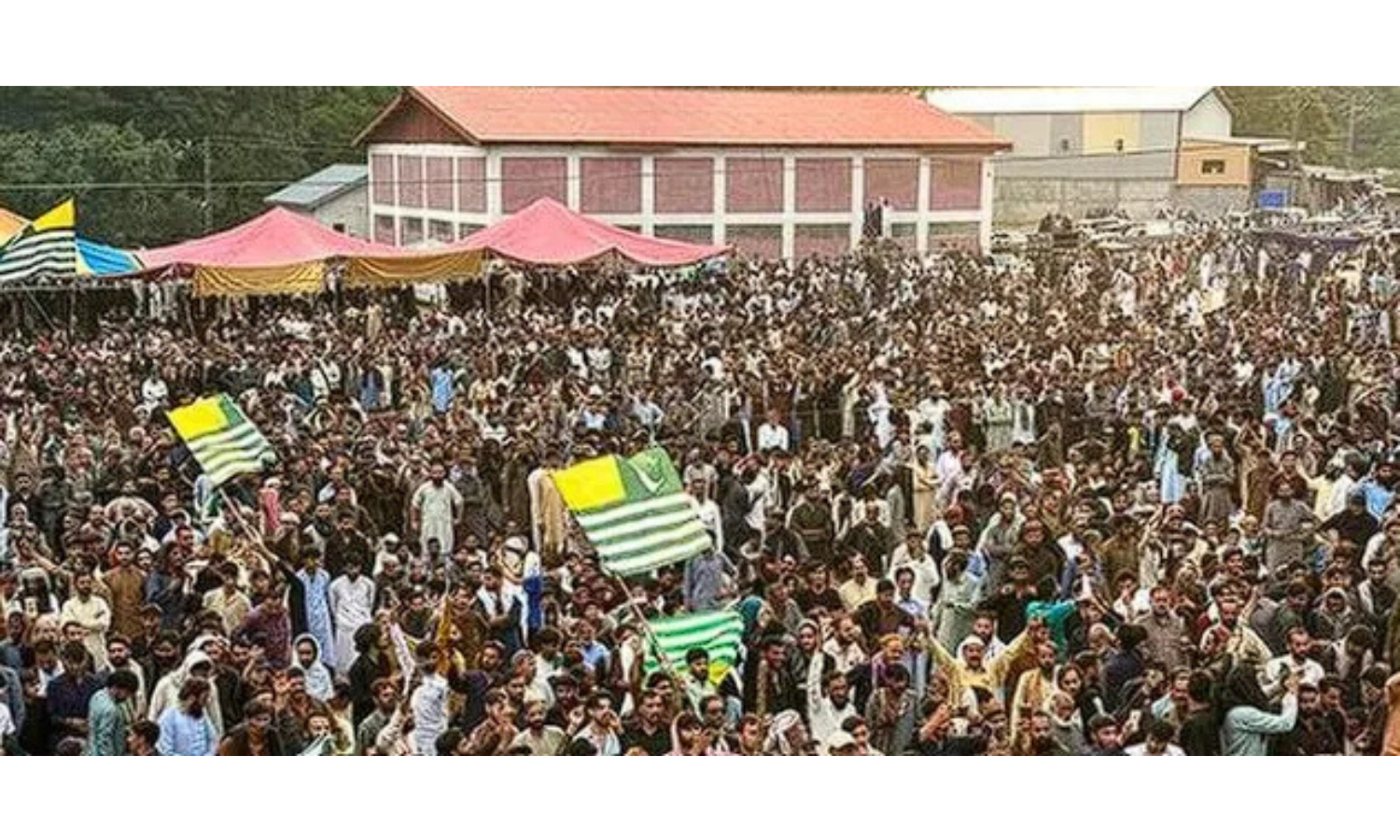
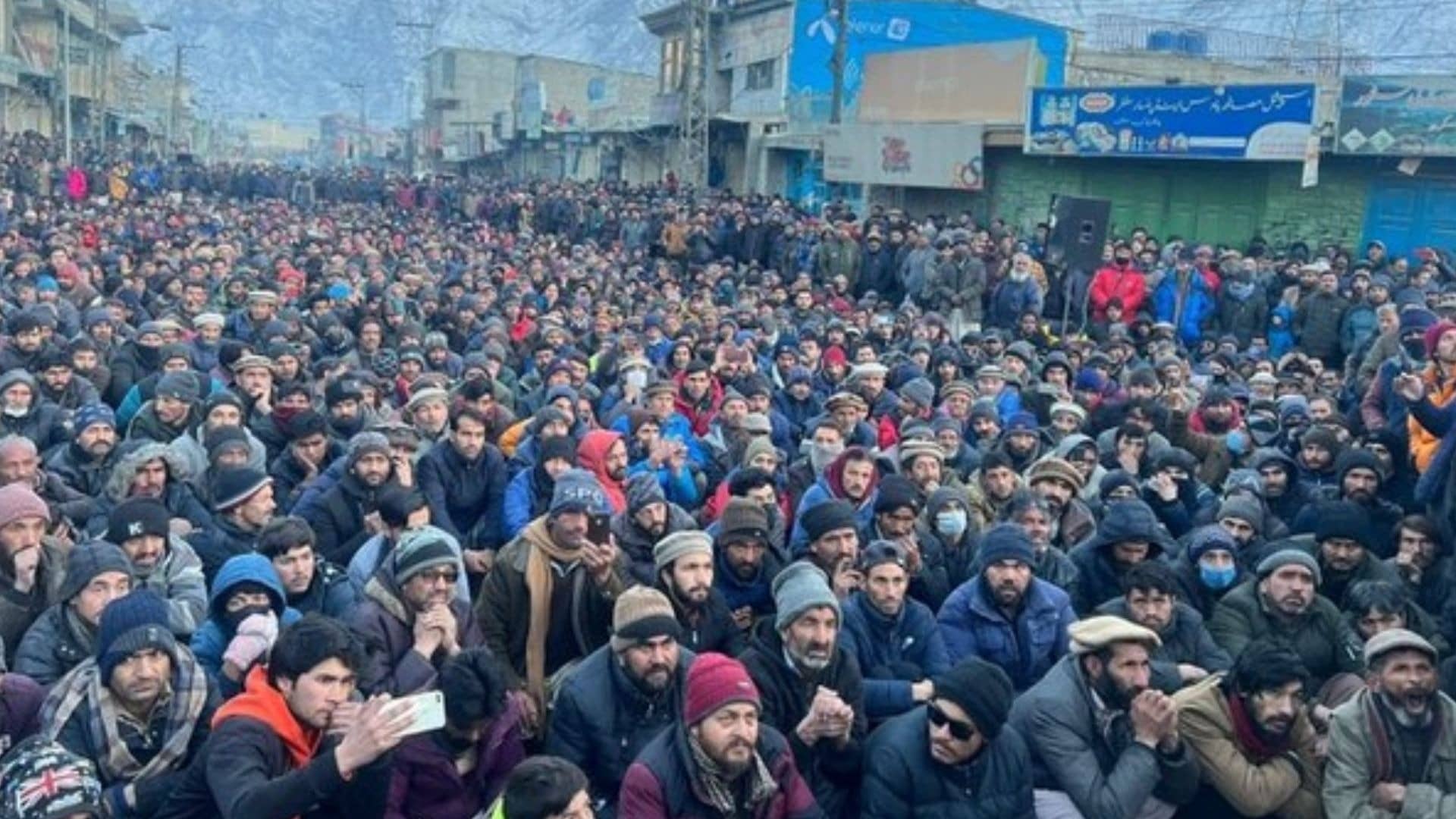
People in the part of Kashmir that is controlled by Pakistan have been protesting for a long time.
In the last week, the protests got very violent and many people were hurt or killed.
Leaders from the Indian side of Kashmir, like Omar Abdullah, Mehbooba Mufti, and Farooq Abdullah, said the violence is wrong and asked for calm and for the world to help.
They want the Pakistani army to stop shooting at people and to listen to the protesters.
The protests are led by a group called the Joint Awami Action Committee, which wants changes in how the local government works.
Because of the fighting, it is hard to know exactly how many people were hurt, but many say it is a serious problem that needs help from other countries.

Protests in PoJK have escalated, with 19–30 deaths reported over the past week.
J&K leaders Omar Abdullah, Mehbooba Mufti, and Farooq Abdullah condemned the use of force and called for restraint and dialogue.
The Joint Awami Action Committee (JAAC) has led demonstrations demanding accountability for 12 disputed seats in the regional assembly.
Pakistani security forces reportedly used live ammunition and tear gas against unarmed protesters in Rawalakot, Mirpur, and Muzaffarabad, with communication blackouts hindering verification.
India has been urged to speak out and the United Nations Human Rights Commission has been requested to investigate the situation.
- Who
- J&K political leaders, Pakistani security forces, protesters
- What
- Protests met with force, leading to deaths and injuries
- When
- Escalated since early June, with latest violence reported July 30
- Where
- Pakistan‑occupied Jammu and Kashmir, including Rawalakot, Mirpur, Muzaffarabad
- Why
- Protesters demand accountability for disputed seats and human rights
- Region
- Pakistan‑occupied Jammu and Kashmir (PoJK)
- Reported deaths
- 19–30
- Reported injuries
- Dozens
- Key protest group
- Joint Awami Action Committee (JAAC)
- Key leaders
- Omar Abdullah, Mehbooba Mufti, Farooq Abdullah