

Archive · 12 Nov 2025
India's Blue Economy: Integrating Coastal Ecosystems into Climate Strategy for Net-Zero Ambitions
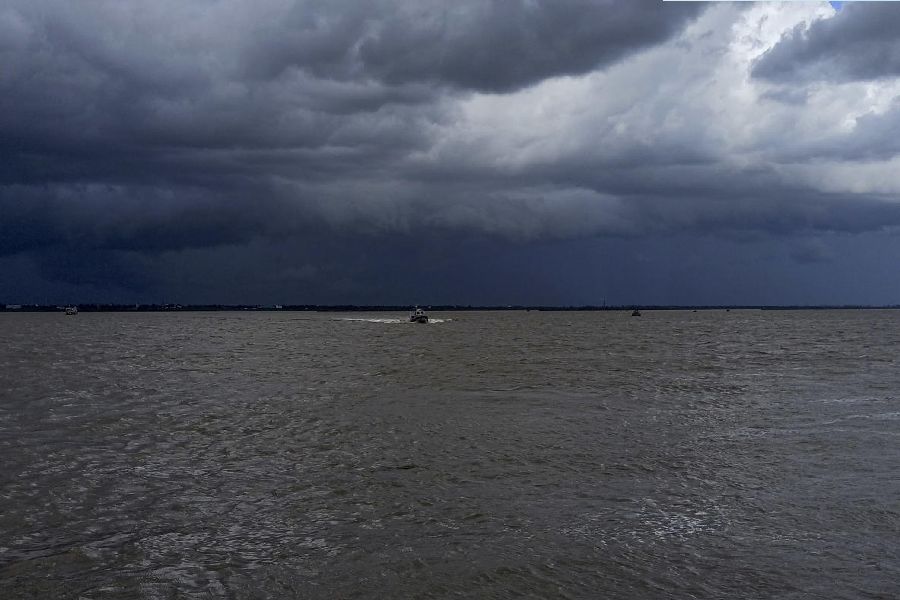
Imagine the ocean as a big, powerful helper for our planet.
India has a very long coastline and lots of ocean space, which is called the 'blue economy.'
This space has hidden treasures like mangroves and seagrass that act like giant sponges, soaking up pollution and carbon dioxide from the air.
These 'blue carbon' ecosystems are super important for fighting climate change and protecting our coasts.
The Indian government has started new plans to use the ocean for good, like helping coastal communities and making our ships greener.
However, we need to do more to protect these natural ocean sponges.
We need to count the carbon they absorb in our climate plans and make sure they aren't destroyed by pollution or rising sea levels.
By taking care of our oceans, India can achieve its goals for a cleaner planet and a stronger economy.

India's blue economy, encompassing its vast coastline and Exclusive Economic Zone, holds significant untapped marine wealth crucial for economic growth and climate strategy.
While the Union budget 2024-25 launched 'Blue Economy 2.0' for climate-resilient coastal livelihoods, the critical component of 'blue carbon' ecosystems remains under-addressed.
Blue carbon ecosystems like mangroves can store significantly more carbon per hectare than terrestrial forests but are not fully integrated into India's climate accounting or carbon markets.
Pollution from plastic waste, chemical runoff, and sewage severely degrades marine biodiversity and diminishes the ocean's carbon sequestration capacity, impacting vital organisms like phytoplankton.
Recent budgets show intent with funds for maritime development and fisheries, but a direct fiscal and policy impetus for restoring and conserving blue carbon ecosystems is missing.
- Who
- India
- What
- The article advocates for integrating the 'blue economy,' specifically blue carbon ecosystems like mangroves, tidal marshes, and seagrasses, into India's national climate strategy and net-zero ambitions.
- When
- Discussed in the context of Union Budgets 2024-25 and 2025-26.
- Where
- India's coastline and Exclusive Economic Zone.
- Why
- To harness the economic and climate mitigation potential of marine resources, addressing climate change and promoting sustainable growth.
- India's Coastline Length
- 11,098.81 km
- India's Exclusive Economic Zone
- 2.3 million sq km
- India's Mangrove Cover
- 4,991.68 sq km
- Union Budget 2024-25 Initiative
- Blue Economy 2.0
- Union Budget 2025-26 Maritime Fund
- Rs 25,000 crore
- Pradhan Mantri Matsya Sampada Yojana Allocation Increase
- 64%