

2 days ago
Why Scarface’s Excess Still Defines the Gangster Film
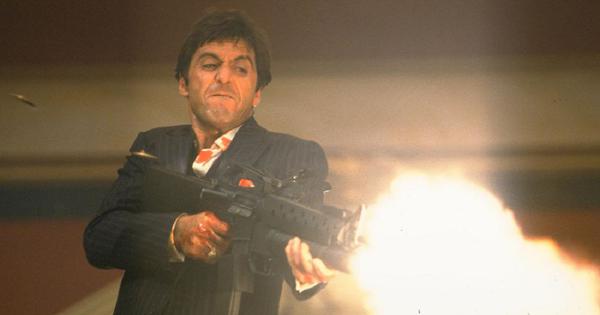
Scarface is a movie about Tony Montana, a criminal who becomes powerful in Miami.
He gets rich and important by working in the cocaine trade.
Tony wants money, respect and control over the people around him.
He also becomes possessive of Elvira, his boss’s wife, and his sister Gina.
The movie makes everything very large and dramatic, including the violence, music, money and emotions.
This exaggerated style helps show how extreme Tony’s life becomes.
Critics did not like the film much when it first came out, but many viewers later loved it.
The article says many movies copy Tony’s cool image but forget to show how badly his choices end.
Scarface remains powerful because it shows both the excitement and consequences of Tony’s excess.

Brian De Palma’s 1983 Scarface follows Cuban criminal Tony Montana’s rise and fall in Miami.
Oliver Stone’s screenplay connects Tony’s ambition to cocaine, 1980s wealth, Cuba and the American Dream.
Al Pacino’s Tony is driven by ruthlessness, ego, possessiveness and the credo “The World Is Yours.”
Although critics initially disliked the film, audiences embraced its rawness, memorable dialogue and exaggerated style.
The article argues that Scarface’s enduring power comes from using precise excess without romanticising Tony’s violence or downfall.
- Who
- Brian De Palma directed Scarface, with Al Pacino playing Cuban criminal Tony Montana; Oliver Stone wrote the screenplay.
- What
- The article examines how Scarface uses exaggerated style to portray Tony Montana’s rise, excess and downfall.
- Where
- The story is set primarily in Miami, after Tony enters the United States from Cuba.
- When
- Scarface was released in 1983; the article discusses it alongside Geetu Mohandas’s Toxic, which reached cinemas the previous week.
- Why
- The film uses excess to comment on cocaine, wealth, ambition and the American Dream while showing the consequences of Tony’s behavior.
Initial Criticism
Audience Appreciation
Reaction to the Film’s Excess
Initial Criticism
Critics were put off by the film’s extreme violence, exaggerated tone and over-the-top presentation when it was released.
Audience Appreciation
Audiences connected with its street-smart rawness, sharp commentary on the American Dream and memorable hyperbolic style.
Tony Montana’s Image
Initial Criticism
Imitations often treat Tony’s bluster as a model of daring and present versions of him as dangerously cool.
Audience Appreciation
The original film is unsentimental and ultimately shows Tony’s violence, possessiveness and ambition leading to his downfall.
Key facts
- Film
- Scarface
- Release year
- 1983
- Director
- Brian De Palma
- Screenplay
- Oliver Stone
- Lead character
- Tony Montana, played by Al Pacino
- Setting
- Miami, amid tensions involving Cuba and the growing popularity of cocaine
- Availability
- JioHotstar; rental options include Prime Video, YouTube Movies and Apple TV
Quotes

Brian De Palma
Director of Scarface (1983), as quoted by Al Pacino in his memoir.
“De Palma described the movie as an opera because it was bigger than life and everything about it was exaggerated…”
 scroll.in
“His two-dimensionality is the beauty of him for me.”
scroll.in
Sources
Related news

Toxic Review Calls Yash Starrer Sumptuous But Chaotic

Toxic’s Ambitious Crime Thriller Becomes Its Own Monster

Toxic Divides Critics Over Yash’s Ambitious Gangster Spectacle

Toxic Review: Yash Leads Geetu Mohandas’s Ambitious Gangster Fairy Tale

Toxic’s Lavish Style Fails to Rescue Hollow Gangster Drama

Toxic Review: Yash Leads an Excessive, Spectacle-Rich Crime Saga

Yash’s ‘Playboy’ Image Fails to Lift Toxic’s Box Office

Taapsee Pannu’s Retirement Remark Sparks Toxic Film Debate

Hanuman Ansh Sequel Confirmed After Surprising Box-Office Success

Ram Gopal Varma Defends Allu Aravind Amid Yash Controversy
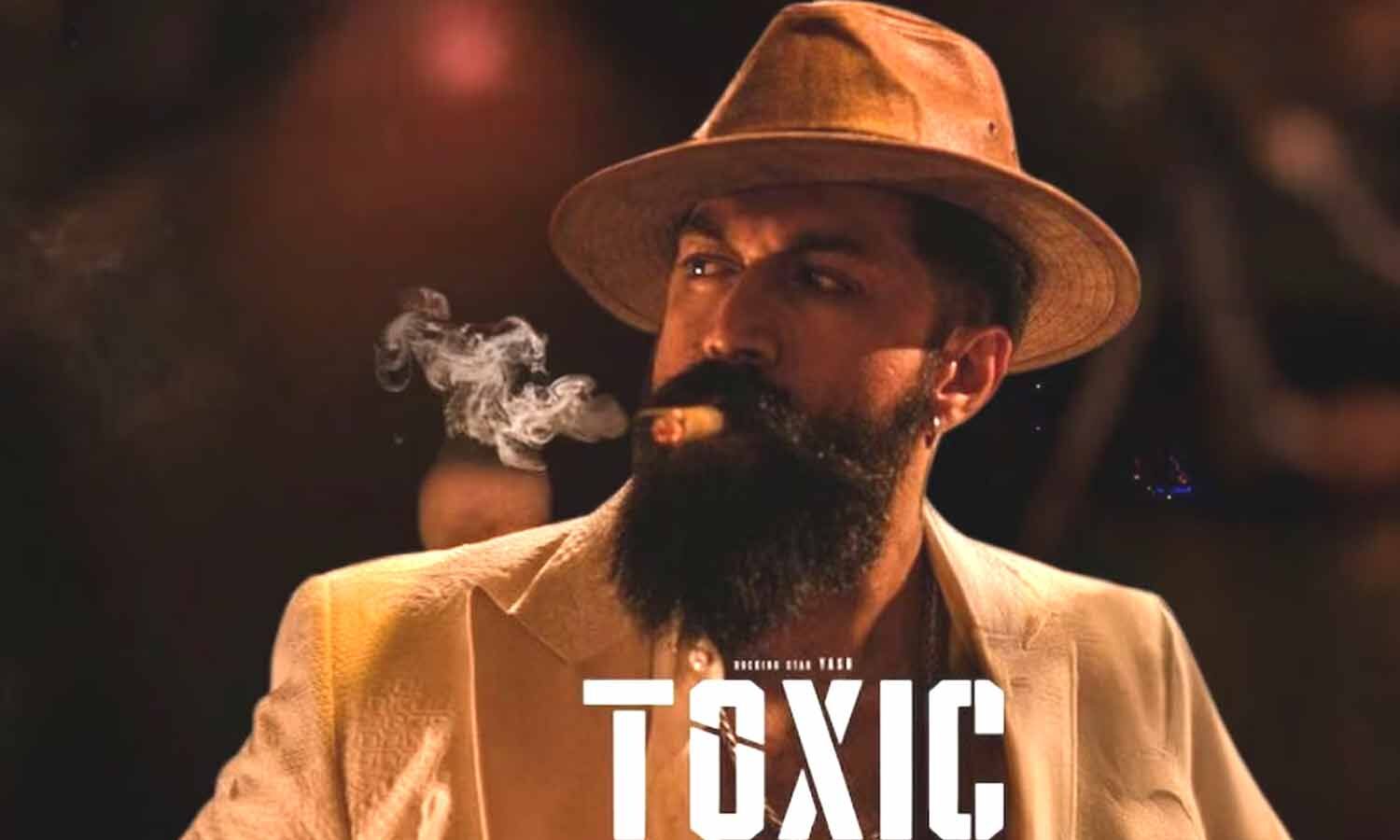
Toxic Crosses ₹300 Crore Worldwide Despite Mixed Reviews
