

Archive · 2 Aug 2025
Wolf Corridors Identified in Twin Burdwan Jungles by WWF Agency
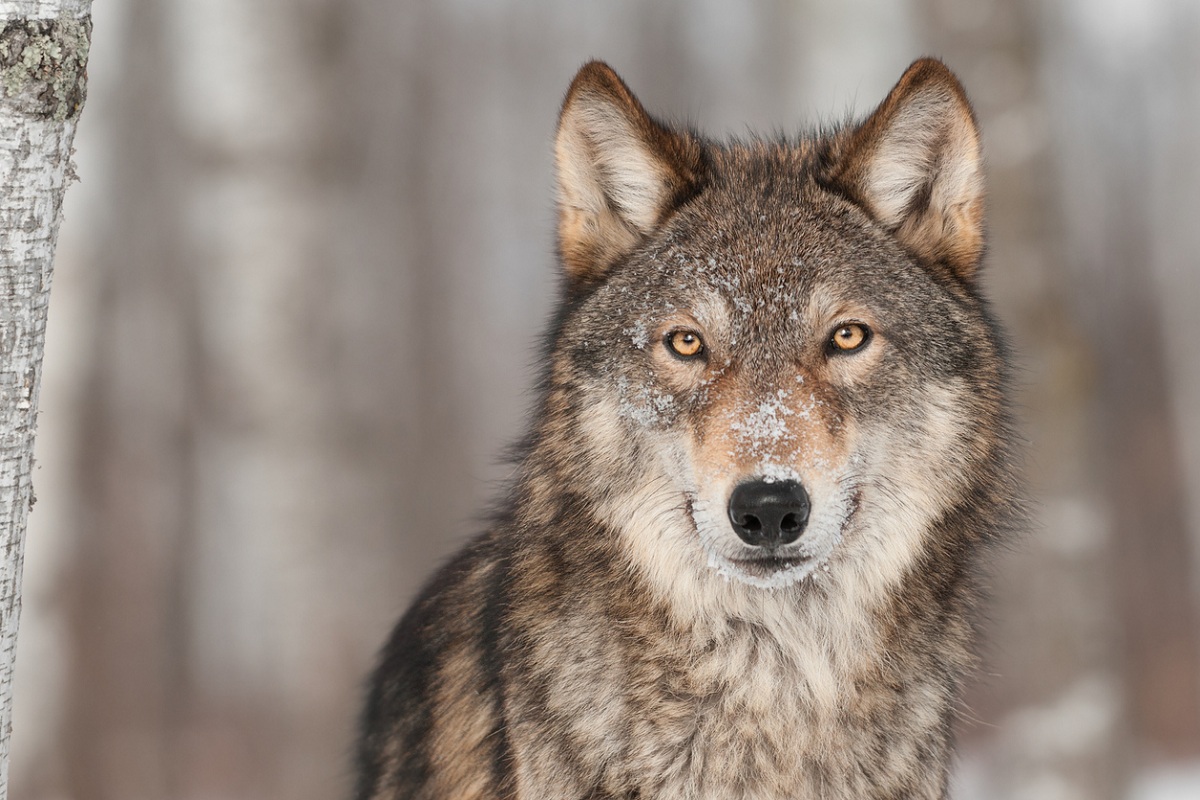
Scientists are studying wolves in West Bengal to protect them.
They found paths the wolves like to use and put up special flags to keep the wolves away from people's homes.
About 30 wolves live there, using a safe path.
The scientists are trying to understand where the wolves go and how many there are, so they can help them stay safe.
They're also using tools to prevent wolves from getting too close to people, because sometimes wolves and people don't get along.
They want to make sure both wolves and humans can live in the same area without problems.

WWF-India funded an agency to survey wolf habitats in West Burdwan.
The survey identified two dedicated wolf corridors in the region.
Flardy deterrent flags were installed to prevent wolf-human conflict.
Approximately 30 wolves, in four packs, use the Madhaigunj–Garh Jungle corridor.
Forest authorities suggest the actual wolf population may be higher than documented.
- Who
- WWF-India and WINGS, a wildlife protection organization.
- What
- A survey identified wolf corridors and installed deterrents in West Burdwan.
- When
- The survey was conducted earlier this year and findings released prior to International Wolf Day, August 13.
- Where
- West Burdwan, India.
- Why
- To assess wolf status, identify habitats, and prevent human-wolf conflict.
WINGS Findings
Forest Authorities
Wolf Population Estimates
WINGS Findings
Around 30 wolves in four packs have chosen the Madhaigunj-Garh Jungle corridor.
Forest Authorities
Forest authorities believe the actual wolf population is nearly double that figure.
- Organization
- WWF-India, WINGS
- Location
- West Burdwan, India
- Funding
- Rs 6 lakh from WWF-India, Rs 25 lakh from The Habitat Trust
- Wolf Corridor
- Madhaigunj–Garh Jungle
- Deterrent
- Flardy flags
- Estimated Wolf Population
- Approx. 30