Archive · 8 Oct 2026
Missed Email, Rerouted F-35 Parts Reach Hong Kong
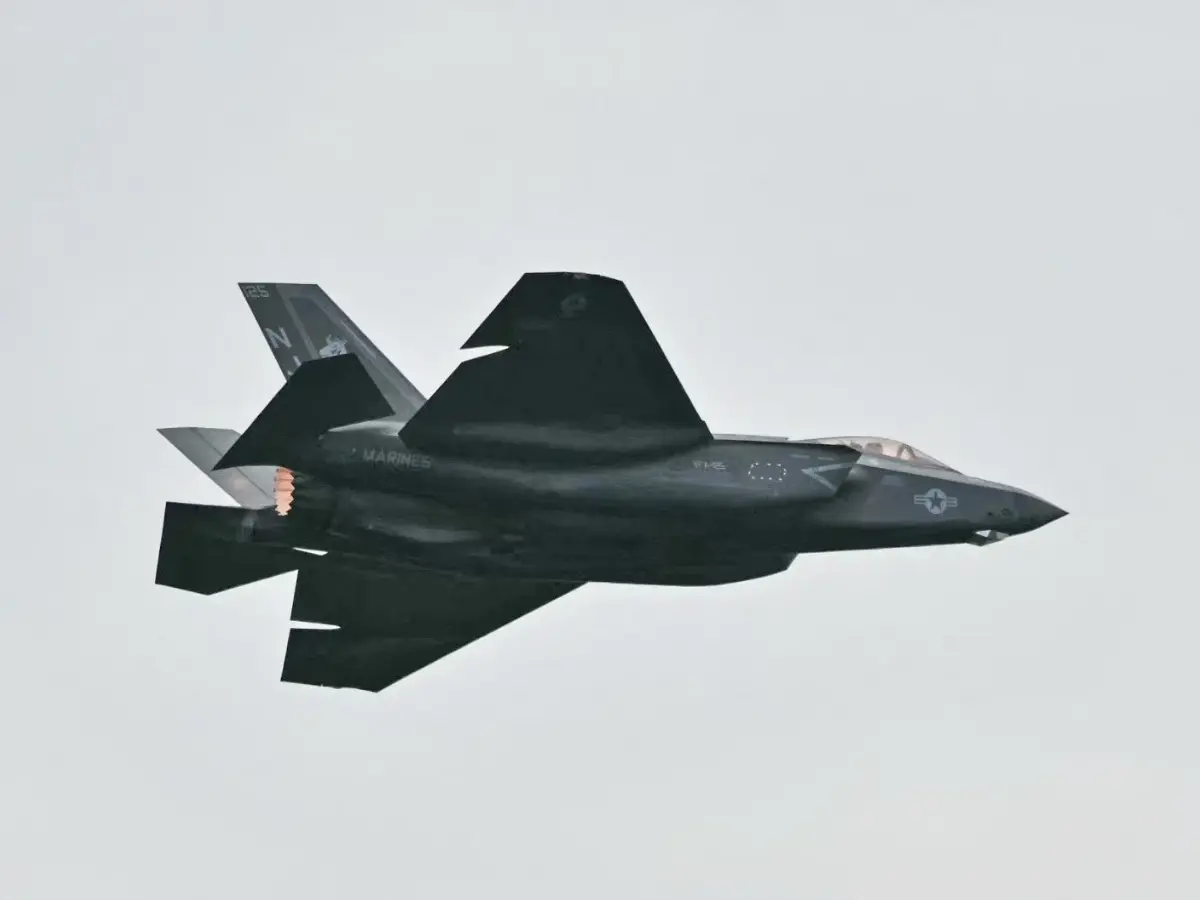
Parts from an F-35 fighter jet were being sent from Australia to the United States.
The shipment was reportedly meant to travel through South Korea and Taiwan, but it went through Hong Kong instead.
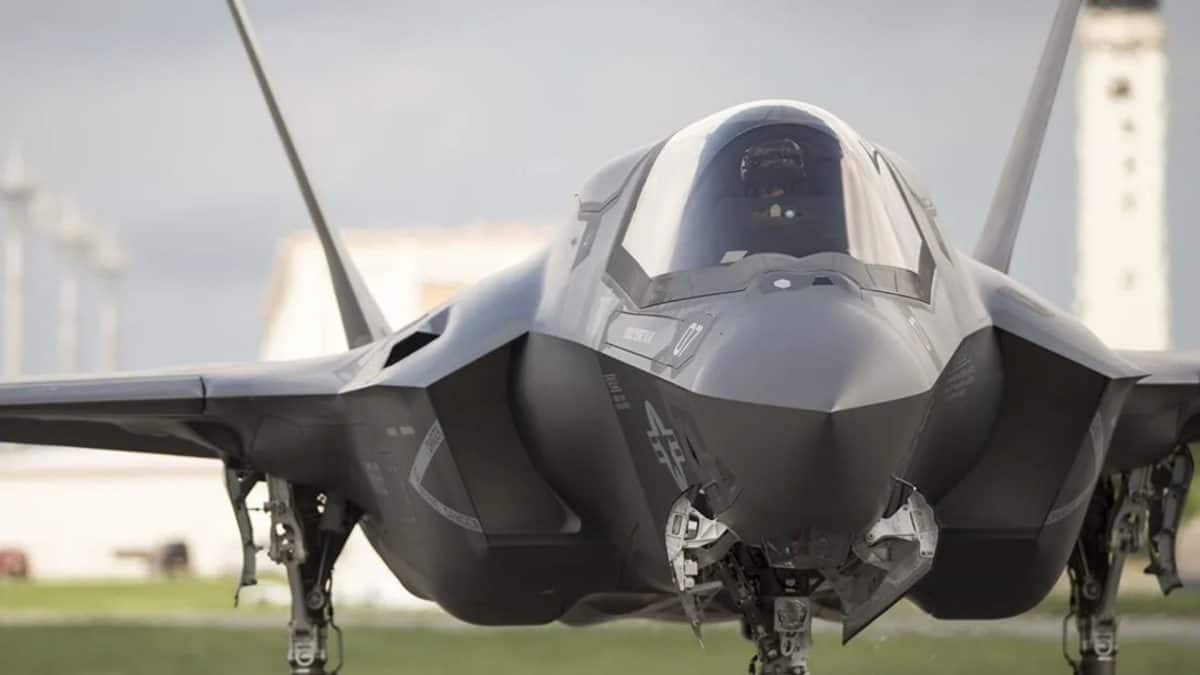
Reports say the parts included a cockpit canopy and a weapons-bay door.
A freight company had warned the shipping company not to use certain routes.
The warning may have been missed, and the shipment was rerouted after a delay.
The Pentagon says it is trying to get the parts back and find out what happened.
Experts worry that someone could learn from the parts’ special materials.
The articles do not confirm that China examined or obtained the components.

F-35 components being shipped from Australia to the United States for repair or disposal were diverted through Hong Kong.
The shipment reportedly included a cockpit canopy and weapons-bay door with radar-absorbing material.
Bloomberg reported that a UPS employee allegedly missed a DSV warning about routes restricted under U.S. arms-export rules.
The shipment was originally expected to travel to San Francisco via South Korea and Taiwan after leaving Australia later than planned.
The Pentagon says it is working to retrieve the components and investigate; reports raise concerns about possible access by China, but do not establish that China examined them.
- Who
- The shipment involved F-35 components, Lockheed Martin, freight forwarder DSV A/S, and UPS.
- What
- F-35 components were diverted through Hong Kong while being shipped to the United States.
- When
- The diversion reportedly occurred during the summer; reports about it emerged in September 2026, with further details reported on October 7.
- Where
- The shipment traveled from Australia toward the United States and was diverted through Hong Kong; it was intended to reach San Francisco via South Korea and Taiwan.
- Why
- Reports say a UPS employee may have missed DSV’s warning email, and the shipment was rerouted to make up for a delay.
Reported mistake
Questions and security concerns
How the shipment was diverted
Reported mistake
Reports attribute the route change to a missed DSV warning email and an attempt to speed delivery after a delay.
Questions and security concerns
Senator Kevin Cramer questioned whether China had planned to intercept the shipment; the articles do not establish that the diversion was deliberate.
Responsibility for the incident
Reported mistake
Lockheed Martin said its logistics decisions are not unilateral and that it selects transport providers based on compliance with government regulations.
Questions and security concerns
The Pentagon and State Department are investigating, while lawmakers have called for briefings or reviews of the military supply chain.
Risk from the components
Reported mistake
The Pentagon described the parts as unserviceable and said it was working to retrieve them.
Questions and security concerns
Analysts and officials warned that access to an actual canopy or other components could help China study or refine knowledge of F-35 technology; the articles do not confirm that China examined them.
- Aircraft
- F-35
- Reported components
- A cockpit canopy and a weapons-bay door
- Material described
- Radar-absorbing material
- Origin and intended destination
- Australia to the United States, for possible repair or disposal
- Intended route
- San Francisco via South Korea and Taiwan
- Reported route diversion
- Through Hong Kong
- Regulation cited
- U.S. International Traffic in Arms Regulations (ITAR)
- Official response
- The Pentagon said it was working to retrieve the components and investigate.