

Archive · 9 Nov 2025
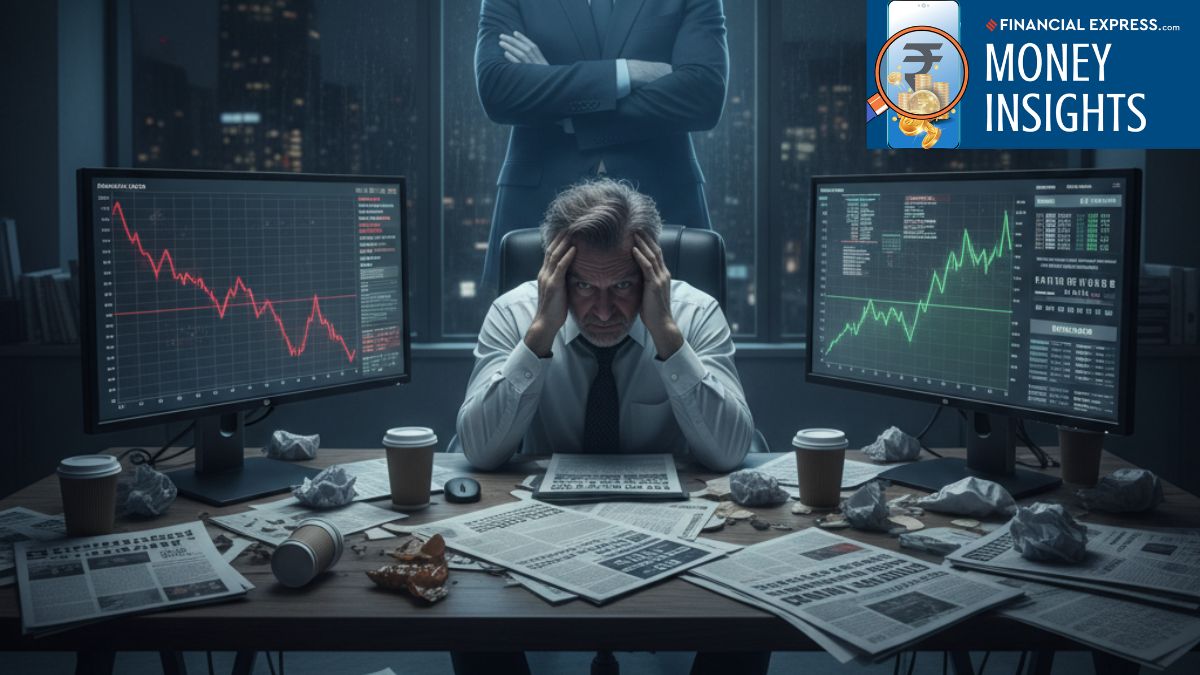
Investor Confidence Erodes Due to Information Overload, Not Market Falls
Imagine you are trying to learn how to ride a bike.
At first, you might have a clear idea of how to pedal and steer.
But then, everyone starts giving you advice.
One person says to lean this way, another says to do that.
Suddenly, you have too many instructions, and you get confused and scared to even try.
It’s like that with investing.
Too much information makes people stop trusting their own plan and start worrying too much about what everyone else is saying.
This makes them make scared decisions, like stopping their savings or switching where they put their money, instead of sticking to their original plan.
The article says it’s better to pick just a few good teachers and listen to them, then practice your own riding.
For investing, this means choosing a few trusted sources and not checking the market all the time.
This way, you can build confidence and let your money grow over time, like learning to ride a bike smoothly.

Investor confidence is being eroded by information overload, not just market downturns.
Excessive financial content leads to confusion, emotional fatigue, and reactive decision-making.
New investors often act on online chatter instead of a solid, personal investment strategy.
The article suggests limiting information intake to a few trusted sources and checking portfolios less frequently.
Building conviction requires consistency, silence, and trusting one's own disciplined plan over external noise.
- Who
- Retail investors, particularly new ones, and finance content creators.
- What
- A decline in investor confidence caused by excessive and contradictory financial information, leading to emotional decision-making rather than strategic investing.
- When
- Ongoing, particularly highlighted during periods of market volatility.
- Where
- Primarily driven by online platforms including podcasts, reels, Telegram groups, and financial news.
- Why
- The constant influx of information creates doubt, anxiety, and dependence on external opinions, eroding an investor's trust in their own judgment and strategy.
Adopting an Information-Rich Approach
Adopting a Focused Information Diet
Belief in Continuous Learning
Adopting an Information-Rich Approach
Consuming more financial content, podcasts, and news updates leads to better understanding and smarter investment choices.
Adopting a Focused Information Diet
Excessive financial information leads to confusion, doubt, and emotional fatigue, hindering sound decision-making.
Staying Updated
Adopting an Information-Rich Approach
Being constantly updated on market news and expert opinions is crucial for success and staying ahead.
Adopting a Focused Information Diet
The myth of 'staying updated' leads to a reactive approach, driven by algorithms and external voices rather than a personal strategy.
Market Engagement
Adopting an Information-Rich Approach
Actively tracking portfolios and staying informed about daily market movements provides a sense of control and productivity.
Adopting a Focused Information Diet
Daily tracking creates anxiety and an illusion of control, while long-term investors benefit from detachment and consistency.
- Core Problem
- Information overload leading to loss of investor confidence and decision paralysis.
- Key Symptoms
- Hesitation on trades, short-term panic, loss of long-term perspective, emotional exhaustion.
- Suggested Solution
- Curating a limited information diet and sticking to a disciplined investment strategy.
- Recommended Actions
- Choose few trusted sources, limit market checking to weekly, define learning goals, set personal rules, unfollow distracting influencers.
- Ultimate Goal
- Rebuilding conviction through silence, consistency, and trusting one's own strategy.