Archive · 18 Nov 2025
India's Air Pollution: Lessons from China's Success

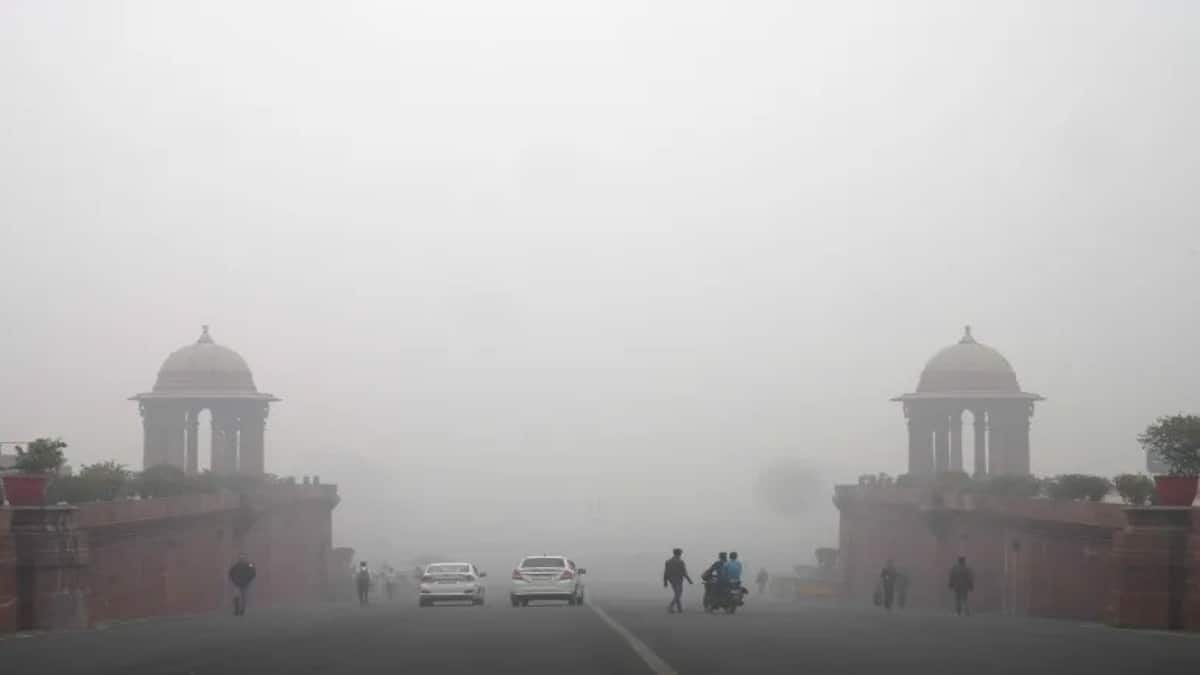
India's air pollution is a big problem, especially in winter.
China had a similar problem in the late 2000s but managed to improve air quality by investing in pollution control and promoting electric vehicles.
India can learn from China's success, but it might need to tailor some strategies to fit its unique situation.

India's air pollution is severe, with winter conditions exacerbated by meteorological factors and triggers like stubble burning and firecrackers.
China faced similar issues in the late 2000s, with high particulate matter concentrations and significant health and economic burdens.
China's 11th Five-Year Plan (2006-2010) targeted air pollution, using a cadre evaluation system and investing in pollution control equipment.
Shenzhen electrified its bus fleet in 2017, reducing vehicle emissions, and other cities followed suit.
While China has seen significant improvements, there are still concerns about rising PM2.5 and ground-level ozone levels.
- Who
- India and China
- What
- Faced severe air pollution
- When
- Late 2000s for China, ongoing for India
- Where
- Urban areas of both countries
- Why
- Due to rapid development, urbanization, and industrial growth
Pro-China Approach
India-Specific Strategy
Top-Down Implementation
Pro-China Approach
Effective in China
India-Specific Strategy
May not work as well in India due to governance systems
- Primary Pollutant
- Fine particulate matter (PM2.5)
- China's Improvement
- Almost 80% of cities experienced air quality improvement since 2013
- India's Air Quality Legislation
- Introduced in the 1980s, with air quality-focused programs in the 2010s