Archive · 27 Jul 2026
US-Saudi Nuclear Deal Sparks Debate

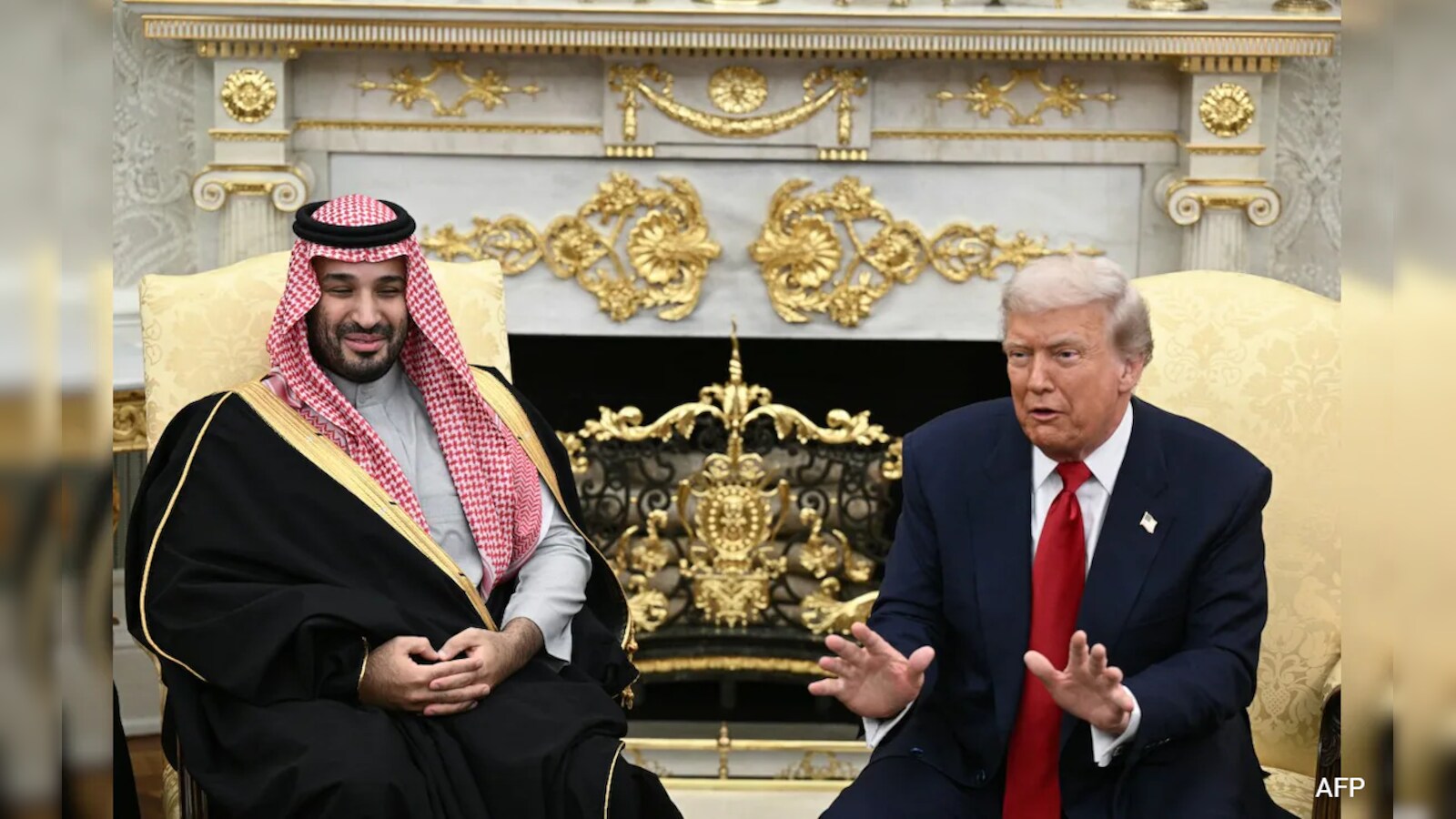
The United States and Saudi Arabia have agreed on a 30-year nuclear deal.
This deal, called a 123 Agreement, allows for peaceful nuclear cooperation.
The US says it will help American companies and create jobs.
The Saudis want to use nuclear energy for their growing needs, like big data centers.
But some people worry this deal could cause problems.
It might make other countries in the Middle East want nuclear weapons too.
Also, the deal is tied to Saudi Arabia recognizing Israel, which is politically risky.
The US wants to stop nuclear weapons from spreading, but some think this deal could do the opposite.
It's a big deal with lots of money involved, and it might change the future of the Middle East.

The US and Saudi Arabia have agreed on a 30-year civil nuclear deal (123 Agreement).
The deal aims to meet Saudi energy needs and boost the US nuclear industry.
The agreement includes strong non-proliferation measures and oversight by the IAEA.
The deal is tied to Saudi Arabia potentially recognizing Israel and joining the Abraham Accords.
Critics worry the deal could lead to nuclear proliferation in the Middle East and destabilize the region.
- Who
- United States and Saudi Arabia
- What
- A 30-year civil nuclear deal (123 Agreement)
- When
- The agreement was announced recently, with the proposal in the pipeline for years.
- Where
- United States and Saudi Arabia
- Why
- To meet Saudi energy needs, boost the US nuclear industry, and potentially contribute to regional stability.
Proponents of the Deal
Opponents of the Deal
Nuclear Non-Proliferation
Proponents of the Deal
The deal includes strong non-proliferation agreements and oversight by the IAEA, ensuring peaceful use of nuclear technology.
Opponents of the Deal
The deal could lead to nuclear proliferation in the region, with Saudi Arabia potentially developing its own nuclear program.
Economic Benefits
Proponents of the Deal
The deal will provide significant economic benefits to the US nuclear industry and create jobs.
Opponents of the Deal
The deal prioritizes US economic interests over regional stability and security concerns.
Regional Stability
Proponents of the Deal
The deal could contribute to regional stability by encouraging Saudi Arabia to recognize Israel and join the Abraham Accords.
Opponents of the Deal
The deal could destabilize the region by emboldening other countries to pursue nuclear programs and escalating tensions with Iran.
- Agreement Type
- 123 Agreement (Civil Nuclear Deal)
- Duration
- 30 years
- Parties Involved
- United States and Saudi Arabia
- Oversight Body
- International Atomic Energy Agency (IAEA)
- Potential Economic Impact
- $70 billion by 2030
- US Executive Order
- Executive Order 14299
- Abraham Accords
- Peace agreements between Israel and some Arab countries