

Archive · 29 Jul 2026
One Nation One Election panel gets extension
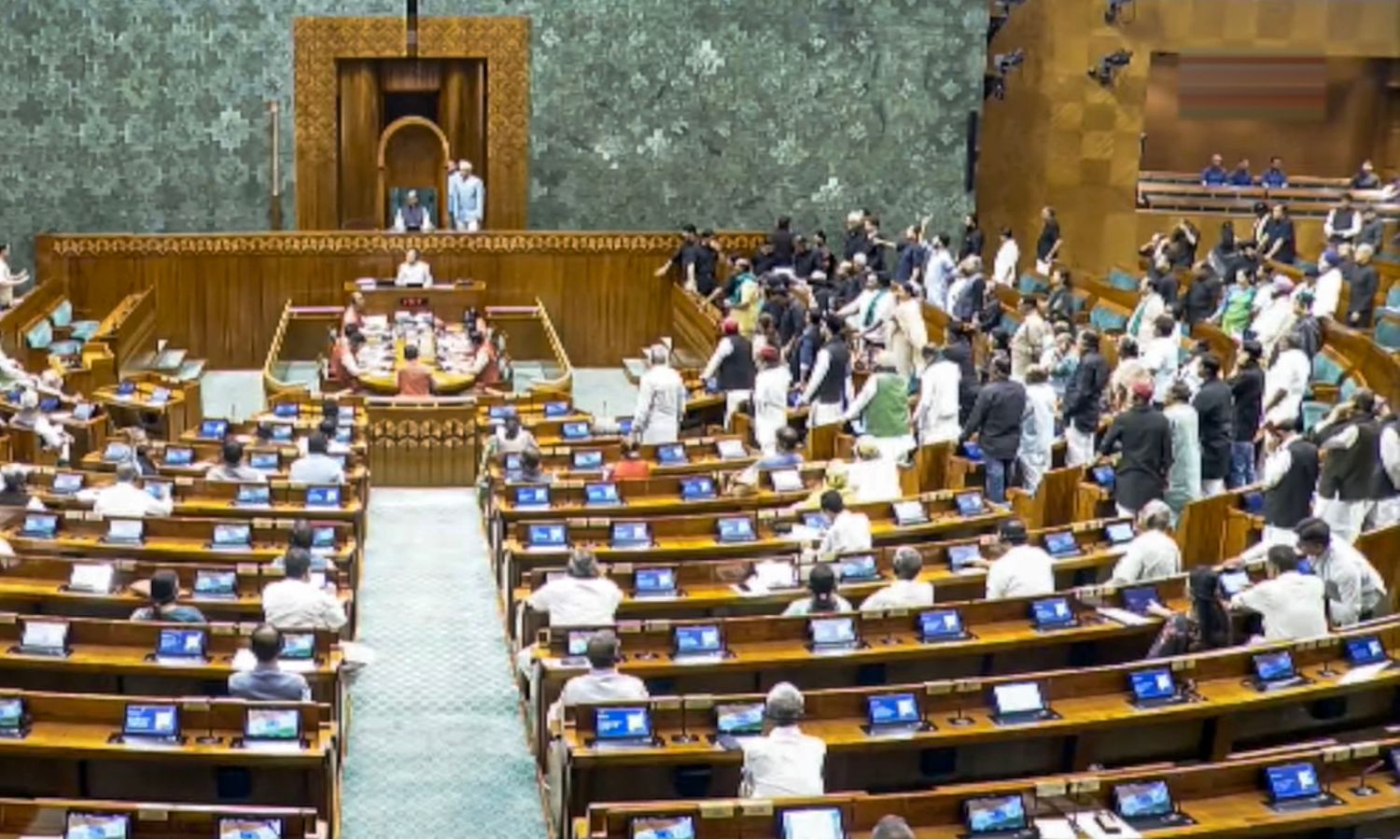
The parliamentary committee looking at the 'One Nation One Election' bill has been given more time to finish its report.
They need to submit it by the end of the winter session, which starts in late November and ends before Christmas.
The committee is studying a bill that aims to hold elections for the central government (Lok Sabha) and state governments at the same time by 2029.
They have been talking to people all over the country to get their opinions on this idea.
Some people think it's a good idea because it will save money and make voting easier.
Others worry it might make the government too powerful and reduce voter interest.
The committee's chairman, PP Chaudhary, asked for the extension, and it was approved by a voice vote.

The parliamentary committee examining the 'One Nation One Election' bill has been granted an extension to submit its report by December.
The winter session of Parliament usually begins in the last week of November and concludes ahead of Christmas.
The 41-member committee is examining the Constitution (One Hundred and Twenty-Ninth Amendment) Bill, 2024 to implement the One Nation One Election framework.
The committee has been conducting nationwide consultations on the proposed rollout of simultaneous elections for the Lok Sabha, state assemblies, and local bodies by 2029.
Committee chairman PP Chaudhary moved a resolution seeking the extension, which was passed by voice vote.
- Who
- The parliamentary committee examining the 'One Nation One Election' bill.
- What
- The committee was granted an extension to submit its report by December.
- When
- The extension was granted on Wednesday.
- Where
- The decision was made during the parliamentary session.
- Why
- To allow more time for nationwide consultations and to finalize the report on implementing simultaneous elections by 2029.
Supporters of One Nation One Election
Opponents of One Nation One Election
Efficiency and Cost Savings
Supporters of One Nation One Election
Simultaneous elections will reduce the financial burden on the exchequer and streamline the electoral process.
Opponents of One Nation One Election
The cost savings are overstated, and the move could lead to increased spending due to the complexity of managing multiple elections together.
Voter Participation
Supporters of One Nation One Election
Simultaneous elections will increase voter turnout as people will not have to vote multiple times in a short period.
Opponents of One Nation One Election
Frequent elections keep the government accountable, and simultaneous elections might reduce voter engagement due to election fatigue.
Governance and Stability
Supporters of One Nation One Election
Simultaneous elections will provide a stable government and reduce the frequency of elections, allowing for better governance.
Opponents of One Nation One Election
Frequent elections act as a check on the government's power and ensure continuous public engagement with the political process.
- Committee Chairman
- PP Chaudhary
- Bill Number
- Constitution (One Hundred and Twenty-Ninth Amendment) Bill, 2024
- Committee Members
- 41
- Proposed Implementation Year
- 2029
- Winter Session Start
- Last week of November
- Winter Session End
- Ahead of Christmas
