

Archive · 24 Jul 2025
How To Cook Indian Vegetables to Preserve Nutrients
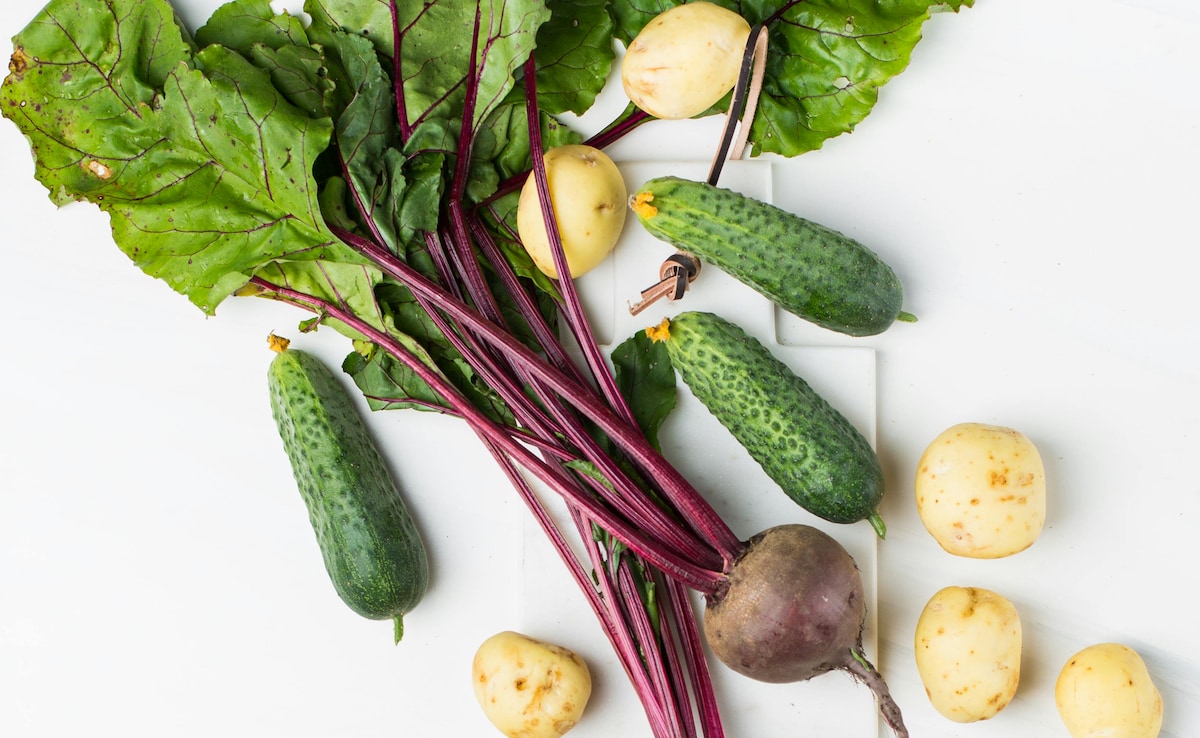
Many people cook Indian vegetables in ways that make them less healthy.
Overcooking or using too much oil destroys important vitamins and nutrients.
For example, spinach is better when quickly cooked, while bottle gourd should be steamed.
Bitter gourd can be cooked with a little oil, and okra should be stir-fried, after being patted dry.
This way, you get all the good stuff from your veggies without losing their health benefits.
It's all about making sure you get the most nutrients out of every bite!

Overcooking, deep-frying, or using excessive oil on Indian vegetables can reduce their nutritional value.
Spinach loses iron, folate, and vitamin C when overcooked; blanching or lightly sautéing is better.
Bottle gourd (lauki/doodhi) should be steamed or stir-fried to retain nutrients.
Bitter gourd's blood-sugar-lowering benefits are best preserved by cooking with minimal oil.
Over-frying okra (bhindi) causes nutrient loss; pat it dry and stir-fry on medium heat.
- Who
- Information is relevant to people cooking Indian vegetables.
- What
- The best ways to cook Indian vegetables to retain their nutrients and health benefits.
- When
- Information provided is current.
- Where
- The article focuses on Indian cooking methods.
- Why
- To help people cook vegetables in a way that maximizes their nutritional value.
Traditional Cooking
Healthy Cooking
Priority
Traditional Cooking
Focuses on taste first.
Healthy Cooking
Prioritizes nutritional value.
- Focus
- Nutrient retention in Indian vegetables
- Issue
- Overcooking, deep-frying, and excessive oil can reduce nutritional value
- Spinach
- Blanching or light sautéing recommended
- Bottle Gourd
- Steam or stir-fry
- Bitter Gourd
- Cook with minimal oil or bake
- Okra
- Pat dry and stir-fry