

Archive · 26 Dec 2025
Alwal Temple Brahmotsavams Blend Faith and Festivity
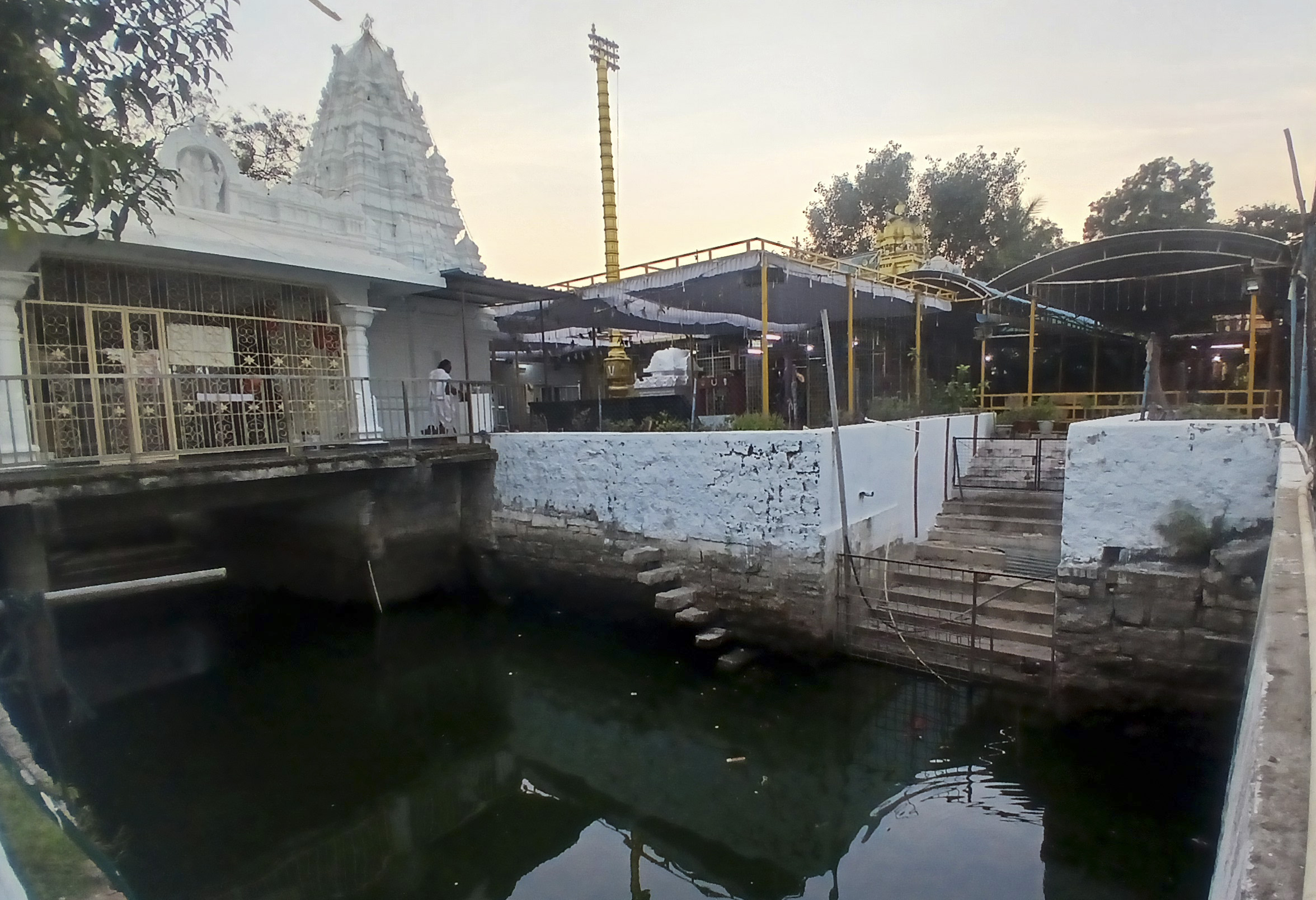
Every year, the Sri Venkateshwara Swamy Temple in Alwal, Hyderabad, hosts a big festival called Brahmotsavams.
During this time, the area becomes very busy with people praying, shopping, and enjoying street food.
The temple is special because it was built by a king who had a dream about Lord Venkateswara.
The temple has a long history and is connected to many important people and traditions.
There are also other small temples around it, each representing different gods.
People come to the temple to feel peaceful and to be part of the community.
The festival includes special dances and performances that have been passed down through generations.

The annual Brahmotsavams festival at Alwal's Sri Venkateshwara Swamy Temple attracts thousands of devotees and transforms the area into a bustling market.
The temple was built in the early 19th century by Maharaja Chandulal Bahadur after Lord Venkateswara appeared in his dream.
The temple complex includes a swayambhu idol beneath the original tamarind tree and a Pushkarini (holy tank) with another discovered idol.
The area is known as 'Temple Alwal' due to the presence of four directional Vaishnava shrines representing different deities.
The temple's history is intertwined with notable figures, including India's first President Dr. Rajendra Prasad and legendary singer Ghantasala.
- Who
- Devotees, local shopkeepers, temple family, and visitors
- What
- Annual Brahmotsavams festival at Sri Venkateshwara Swamy Temple
- When
- Coincides with Vaikunta Ekadasi, continuing till early January
- Where
- Alwal, near Hyderabad
- Why
- To celebrate the temple's history and deity, fostering community and devotion
- Location
- Alwal, Hyderabad
- Event
- Brahmotsavams
- Key Deity
- Lord Venkateswara
- Founder
- Maharaja Chandulal Bahadur
- Significant Visitors
- Dr. Rajendra Prasad, Ghantasala
- Unique Feature
- Swayambhu idol beneath original tamarind tree
- Sacred Geography
- Four directional Vaishnava shrines
- Cultural Practice
- Traditional Sword Dance by temple family