

Archive · 26 Jul 2026
Tughlaq Coins Minted in Warangal Assert Authority
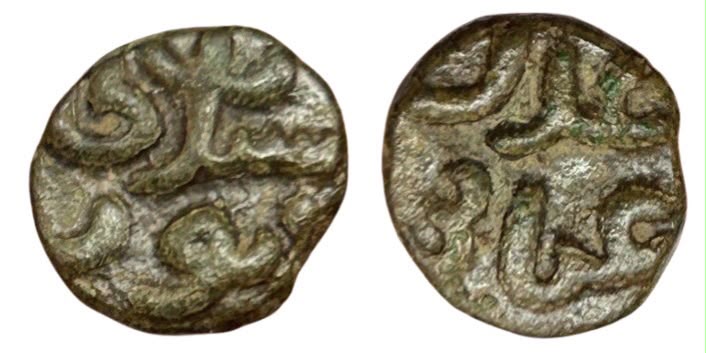
A long time ago, a ruler named Ghiyath al-Din Tughluq made special coins in a place called Warangal, which was then named Sultanpur.
These coins were made to show that he was in charge.
The coins have special writings on them that tell us about this time in history.
Historians think these coins are important because they show how the Tughlaq rulers took over and changed the area.
The coins also tell us about the fall of another kingdom called Kakatiya and how the Tughlaq rulers wanted to control more land.

A rare copper Adil coin of Ghiyath al-Din Tughluq was minted in Warangal, renamed Sultanpur after its conquest by the Delhi Sultanate in 1323.
The coin weighs 2.09 grams and bears Arabic inscriptions identifying its mint location.
The coin marks the fall of the Kakatiya kingdom and the establishment of Tughlaq rule in Telangana.
Tughlaq rulers minted coins locally to assert their authority over newly acquired territories.
The coin serves as evidence of the administrative, economic, and military expansion of the Delhi Sultans.
- Who
- Ghiyath al-Din Tughluq
- What
- Minting of copper coins in Warangal
- When
- 1320-1325 CE
- Where
- Warangal (Sultanpur), Telangana
- Why
- To assert authority over newly acquired territories
Historical Significance
Numismatic Value
Historical Context
Historical Significance
The coin marks the fall of the Kakatiya kingdom and the establishment of Tughlaq rule in Telangana.
Numismatic Value
The coin is a numismatic testimony to the collapse of the Kakatiya Empire and the expansion of the Delhi Sultanate.
- Coin Type
- Copper Adil (½ Paika)
- Ruler
- Ghiyath al-Din Tughluq
- Mint Location
- Warangal (renamed Sultanpur)
- Year Minted
- 1320-1325 CE
- Weight
- 2.09 grams
- Inscription
- Adl Ghiyathi (obverse), Bi Sultanpur (reverse)