Archive · 26 Jan 2026
India Plans PLI Scheme for Nuclear Power Expansion
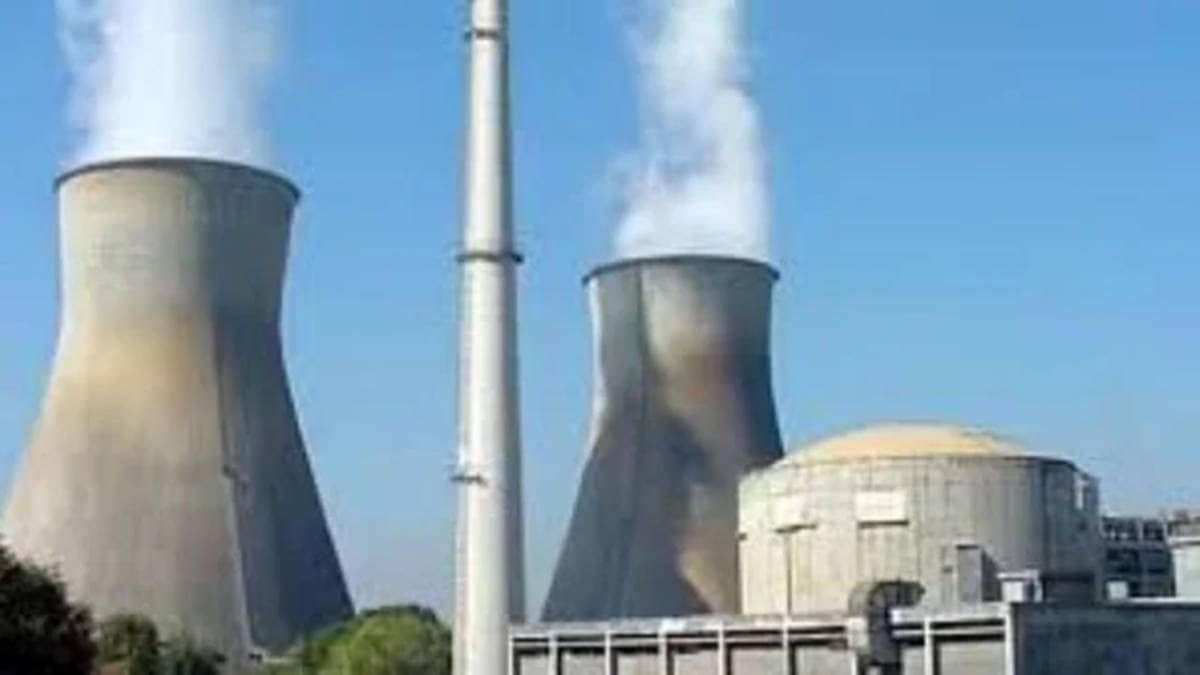
The Indian government is planning a big investment to help make important parts for nuclear power plants.
They want to spend between ₹18,000 and ₹20,000 crore to support companies that make these parts.
This will help India make these parts itself instead of buying them from other countries.
The goal is to have 100 times more nuclear power by 2047.
The government has also passed a law called the SHANTI Act to make it easier for companies to work in the nuclear sector.
Some people think nuclear power is very important because it provides stable energy and produces very little pollution.
Others believe that renewable energy like solar and wind power should be the main focus because it is cheaper and better for the environment.
The government is also working on a new policy to make sure the power grid is stable and reliable.

Government likely to announce PLI scheme for nuclear components in upcoming Union Budget.
Proposed outlay of ₹18,000-20,000 crore to strengthen domestic nuclear supply chain.
Focus on heavy forgings, reactor pressure vessels, and specialized steel alloys.
Objective is to reduce dependence on imports and support 100 GW nuclear capacity by 2047.
PLI scheme aligned with SHANTI Act to improve regulatory clarity and capacity expansion.
- Who
- Indian government and domestic manufacturers
- What
- Proposed PLI scheme for manufacturing critical nuclear components and expanding nuclear capacity
- When
- Details to be finalized after inter-ministerial consultations
- Where
- India
- Why
- To strengthen domestic nuclear supply chain, support long-term capacity expansion, and meet decarbonisation goals
Pro-Nuclear Expansion
Renewable Energy Focus
Energy Source Prioritization
Pro-Nuclear Expansion
Nuclear power is essential for stable, low-carbon energy and should be expanded significantly.
Renewable Energy Focus
Renewable energy should be the primary focus due to lower costs and environmental benefits.
Grid Stability
Pro-Nuclear Expansion
Nuclear power provides consistent baseload energy, crucial for grid stability.
Renewable Energy Focus
Advancements in battery storage and grid management can mitigate renewable intermittency.
Economic Viability
Pro-Nuclear Expansion
Investment in nuclear technology will create jobs and reduce long-term energy costs.
Renewable Energy Focus
Renewable energy is more cost-effective and requires less upfront investment.
- Proposed PLI Outlay
- ₹18,000-20,000 crore
- Focus Areas
- Heavy forgings, reactor pressure vessels, specialized steel alloys
- Objective
- Strengthen domestic nuclear supply chain and support long-term capacity expansion
- Target Capacity
- 100 GW of nuclear power by 2047
- Policy Backdrop
- SHANTI Act for regulatory clarity and capacity expansion
- Industry View
- PLI could accelerate localisation and reduce execution risks
- Next Steps
- Inter-ministerial consultations for finalizing details
- Draft National Electricity Policy
- Aims to align power sector with India’s long-term energy goals
- SHANTI Act Provisions
- Enables expansion of nuclear capacity and adoption of advanced technologies
- Small Modular Reactors (SMRs)
- Advantages include smaller size, easier assembly, robust safety features
Sources
Budget may roll out PLI for nuclear sector - Business News

Not Adani or Tata: The 2 “underdog” engineering firms building India’s nuclear energy core

Tariff rate populism has held India’s power sector back for too long: Policy reforms need to succeed

Nuclear power expansion is an R&D challenge
Four years later, ACC PLI struggling to add capacity

Budget FY27 eyes Rs 13,000 crore incentive for construction equipment