

Archive · 25 Jul 2025
Second World War: Key Events, Causes, and Global Impact
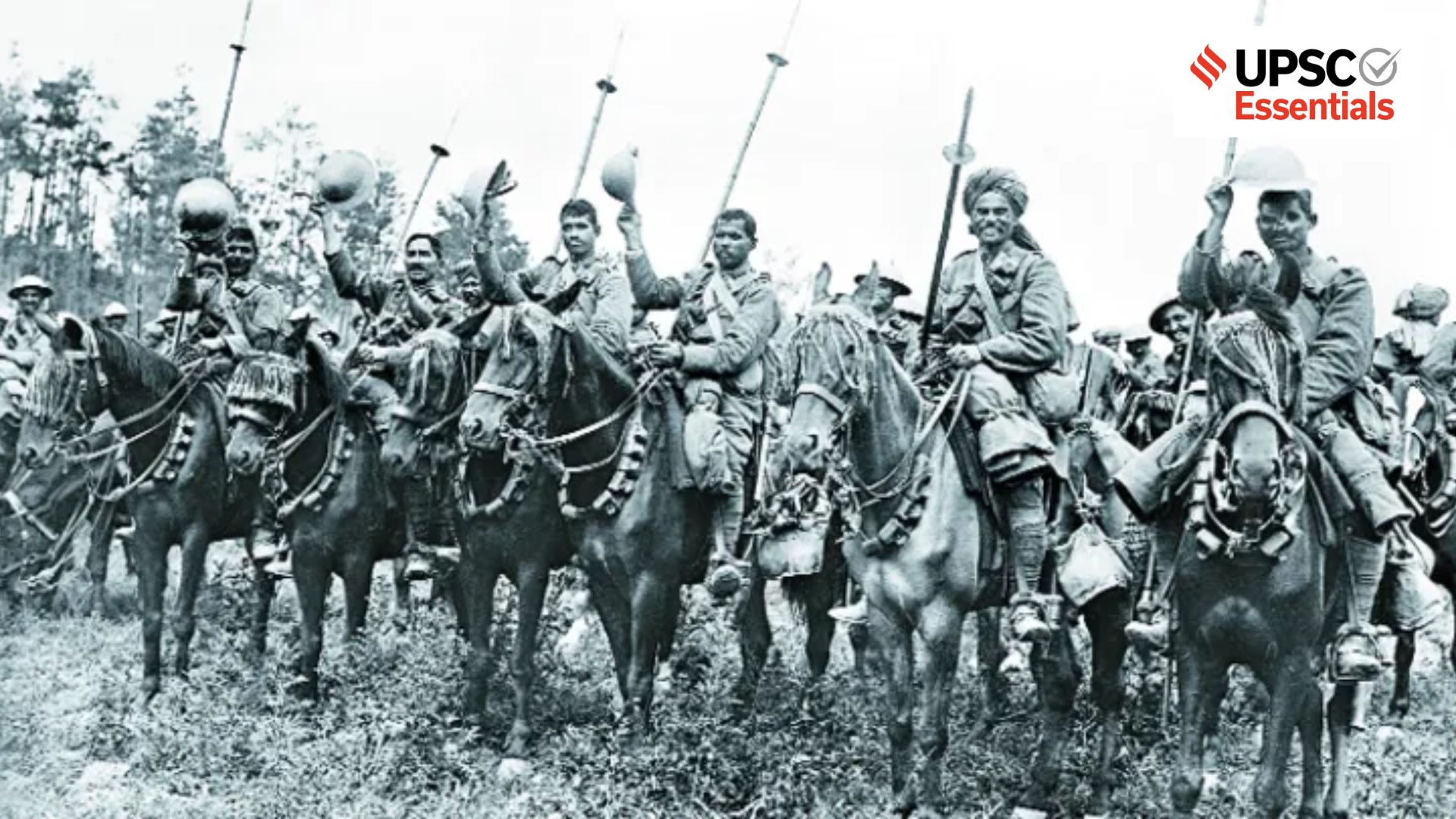
World War II happened because the peace after World War I was unfair to Germany, leading to bad feelings and economic troubles.
This helped a leader named Hitler rise to power.
The war started in 1939 when Germany attacked Poland.
Germany quickly took over many countries using fast attacks called blitzkrieg.
Later, the United States joined the good guys (the Allies).
The war ended in 1945 when the US dropped atomic bombs on Japan.
After the war, the world changed with new rules and countries like the US becoming very powerful.

World War II began in 1939, 21 years after the end of World War I, and ended in 1945.
The Treaty of Versailles and economic issues contributed to the rise of Adolf Hitler and the start of WWII.
Germany used blitzkrieg tactics to quickly take over multiple countries early in the war.
The US entry into the war in 1941 shifted the balance of power towards the Allies.
The war concluded with the dropping of atomic bombs on Hiroshima and Nagasaki, leading to a new world order.
- Who
- Involved the Allied powers (Great Britain, France, the US, Soviet Union) against the Axis powers (Germany, Italy, Japan).
- What
- World War II, a global conflict involving most of the world's countries.
- When
- From 1939 to 1945.
- Where
- Across Europe, Asia, North Africa, and the Pacific.
- Why
- Resulted from unresolved issues after WWI, economic instability, and the rise of aggressive ideologies in Germany and other nations.
- Start Date
- September 1, 1939
- End Date
- 1945
- Major Powers (Allies)
- Great Britain, France, US, Soviet Union
- Major Powers (Axis)
- Germany, Italy, Japan
- Key Event
- US entry after Pearl Harbor attack
- Outcome
- Defeat of Axis powers; rise of US hegemony