Archive · 29 Sep 2026
Supreme Court Weighs Power Bills And Vehicle Restrictions For Fines
The Supreme Court is looking for better ways to collect unpaid traffic fines.
It said giving people electronic tickets is not enough if the fines are never paid.
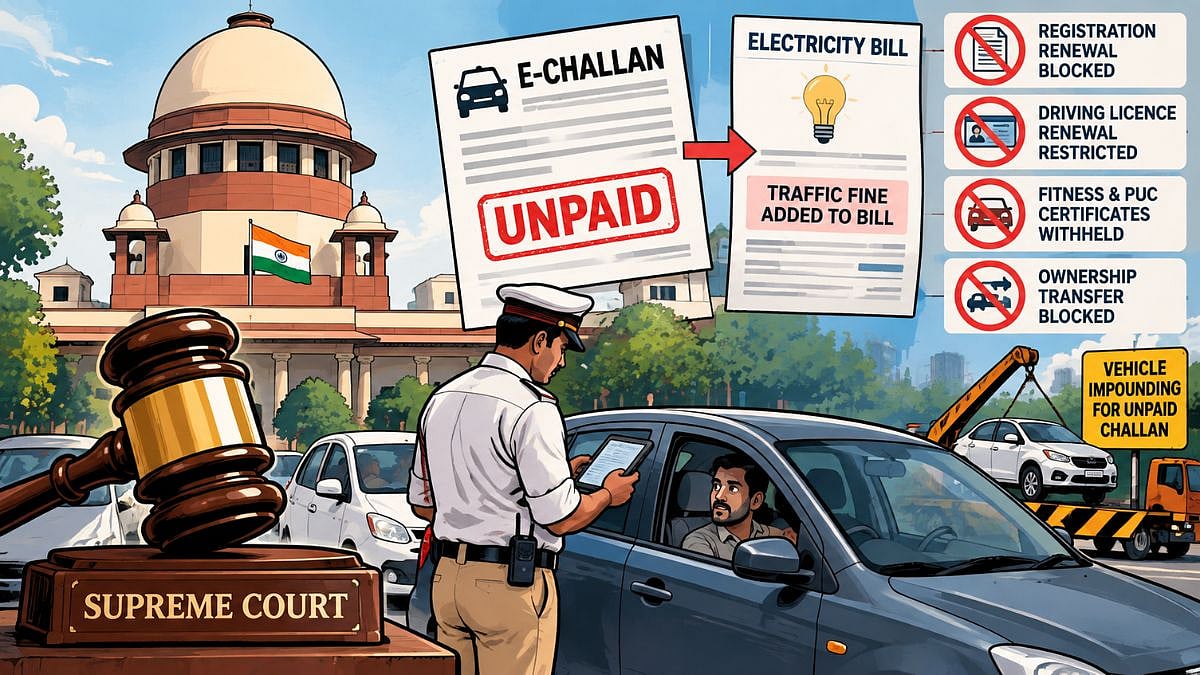
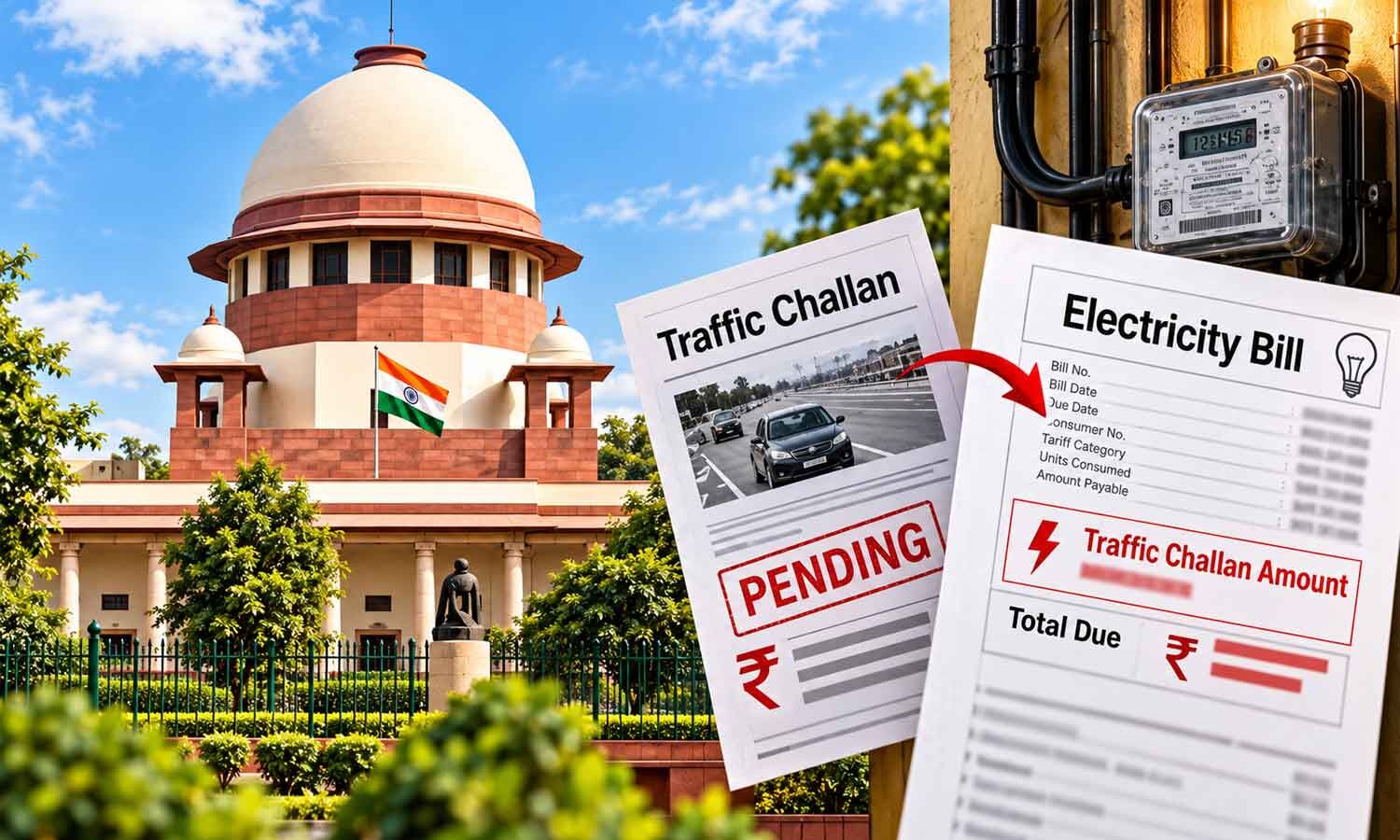
One idea is to add unpaid fines to electricity bills.
Another idea is to stop some vehicle services until the fines are cleared.
These services could include renewing registration, changing ownership or getting fitness certificates.
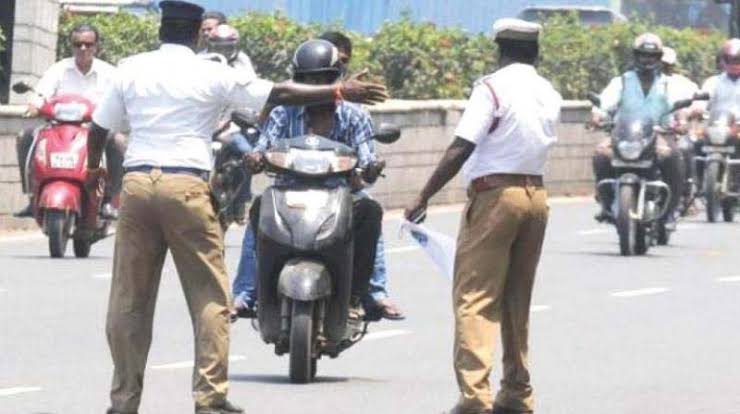
The Court also discussed checking vehicles randomly and possibly impounding vehicles with unpaid fines.
Some people support stronger enforcement because it may stop drivers from ignoring tickets.
Others worry that electricity bills and traffic fines follow different laws and that people should still be able to challenge tickets in court.
Road-safety advocates also said collecting money may not automatically make people drive more safely.

The Supreme Court suggested adding unpaid traffic e-challans to electricity bills to encourage recovery.
The Court discussed restricting registration renewals, ownership transfers, fitness certificates and driving-licence services for defaulters.
States and Union Territories reportedly have about ₹45,000 crore in outstanding e-challans, with approximately ₹25,000 crore recovered.
It also proposed blacklisting vehicles, conducting random checks and potentially impounding vehicles with unpaid challans.
Citizens and legal experts questioned the proposal’s legality, effect on challan challenges, treatment of tenants and ability to improve driving behaviour.
- Who
- The Supreme Court bench of Justice J.B. Pardiwala and Justice K.V. Viswanathan, along with States and Union Territories responsible for enforcement.
- What
- The Court suggested stronger methods to recover unpaid traffic e-challans, including electricity-bill links, vehicle-service restrictions, random checks and possible impounding.
- When
- The suggestions were reported during proceedings on September 28, 2026; one report described the hearing as occurring on Monday.
- Where
- The matter was heard in New Delhi during a nationwide public interest litigation on road safety.
- Why
- The Court wants traffic fines to be recovered effectively and its road-safety and enforcement directions to be implemented in practice.
Supporters Of Stronger Recovery
Critics Seeking Safeguards
Linking fines to essential services
Supporters Of Stronger Recovery
Supporters say people may ignore messages about traffic tickets but are more likely to pay if unpaid fines affect electricity services or vehicle-related facilities.
Critics Seeking Safeguards
Critics say electricity services and traffic penalties operate under different legal frameworks, and connecting them could require clear legislation and safeguards.
Effect on legal challenges
Supporters Of Stronger Recovery
Supporters argue that restrictions could ensure vehicle owners take outstanding challans seriously and comply with enforcement requirements.
Critics Seeking Safeguards
Critics warn that recovery measures should not interfere with motorists’ ability to challenge challans through traffic courts.
Recovery versus safer driving
Supporters Of Stronger Recovery
Some road-safety advocates support sustained enforcement and stronger penalties, including action against licences for repeated violations, to encourage compliance.
Critics Seeking Safeguards
Other advocates say collecting fines is not the same as changing driving behaviour and that traffic management, road conditions and enforcement quality must also improve.
Implementation
Supporters Of Stronger Recovery
A dedicated vehicle-based system, potentially involving FASTag or another traffic-compliance mechanism, could provide a focused way to track violations and dues.
Critics Seeking Safeguards
Critics question how electricity-linked recovery would work for tenants or vehicle owners whose utility connections are in relatives’ names, and say implementation could be complicated.
- Outstanding e-challans
- Approximately ₹45,000 crore is reportedly outstanding across States and Union Territories.
- Amount recovered
- Approximately ₹25,000 crore has reportedly been recovered.
- Electricity-bill proposal
- Authorities could consider adding unpaid traffic fines to electricity dues.
- Vehicle-service restrictions
- Measures discussed include blocking registration renewals, duplicate certificates, ownership changes, fitness certificates and Pollution Under Control certificates.
- Licence measures
- Authorities could prevent licence renewals or take steps to suspend existing driving licences until fines are paid.
- Direct enforcement
- Random vehicle checks could lead to necessary steps, including possible vehicle impounding, when unpaid e-challans are found.
- Legal framework
- The proceedings concern electronic enforcement under Section 136A of the Motor Vehicles Act, 1988, and Rule 167A of the Central Motor Vehicles Rules, 1989.