Archive · 11 Sep 2026
Israel Says It Destroyed Hezbollah Underground Complex in Southern Lebanon

Israel says it destroyed a large underground Hezbollah facility in southern Lebanon.
The facility was beneath the Ali al-Taher ridge, about 15 kilometers from Israel’s border.
Israel says the tunnels stretched for more than two kilometers.
It says they contained rockets, missiles, drones, guns, mines and other explosives.
The military also said Hezbollah’s Badr unit had a command center, storage rooms and places for fighters to live there.
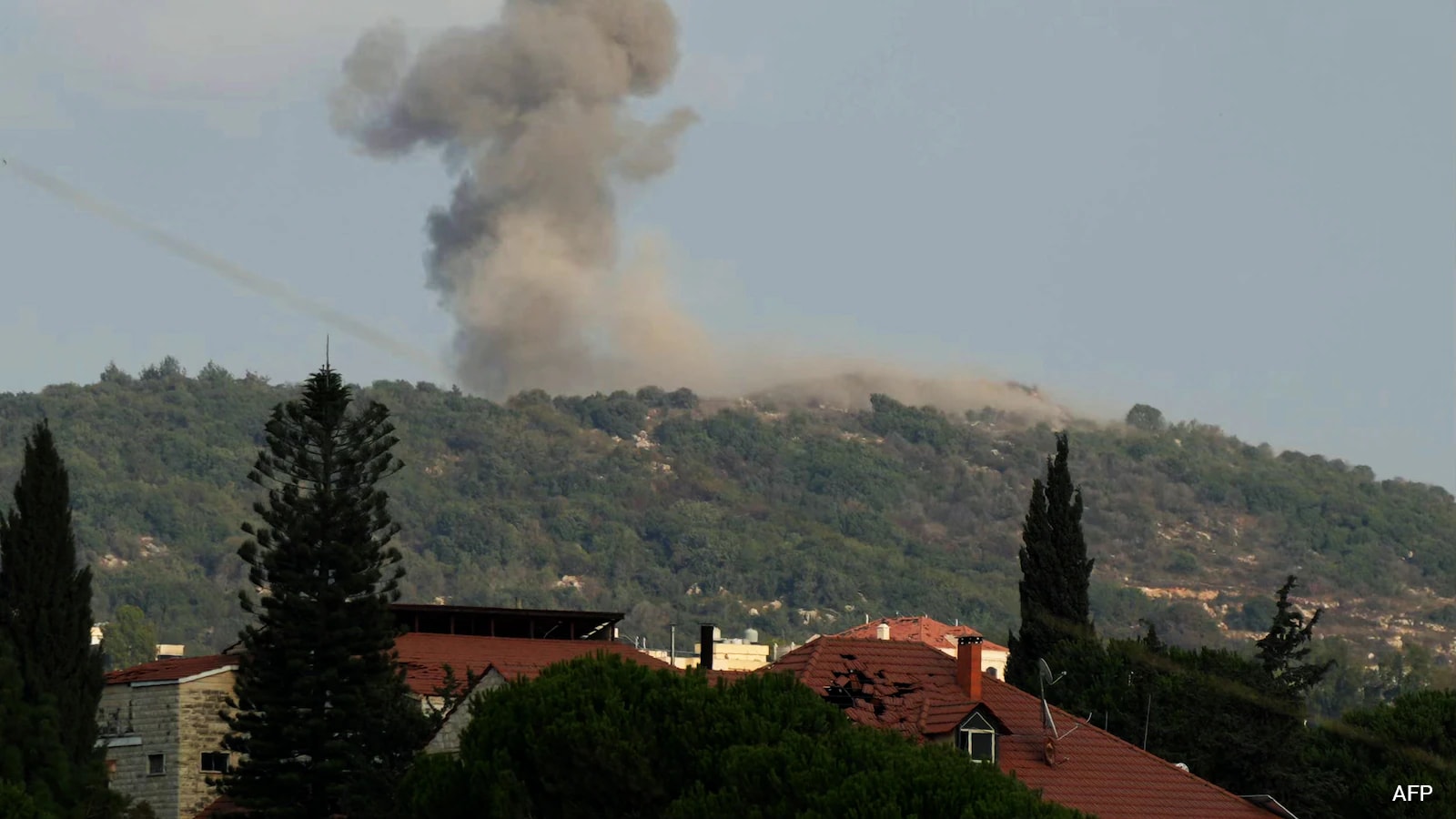
Lebanon’s state news agency and AFP journalists reported a very large explosion that shook the area.
Israel says its troops now control the ridge above and below ground.
Israeli officials say forces will remain in a security zone to stop Hezbollah from returning.
The operation is part of a wider dispute over Israeli positions in southern Lebanon and Hezbollah’s weapons.

Israel said it destroyed Hezbollah’s underground infrastructure beneath the Ali al-Taher ridge in southern Lebanon.
The Israeli military said the network stretched more than two kilometers and contained rockets, missiles, drones, anti-tank missiles, mines and explosives.
Israel said the site included a command complex belonging to Hezbollah’s Badr unit, with command centers, weapons storage and living quarters.
Lebanon’s state news agency and AFP journalists reported a massive explosion and tremors across Nabatieh and surrounding areas.
The operation took place amid a stalled framework calling for Israeli withdrawal and Lebanese efforts to disarm Hezbollah.
- Who
- The Israeli military, Prime Minister Benjamin Netanyahu, Defence Minister Israel Katz and Hezbollah are central to the report.
- What
- Israel said it destroyed Hezbollah underground infrastructure, including a Badr unit command complex and weapons stores.
- When
- The announcement and reported explosion occurred on Thursday, September 10, after Israel said it captured the ridge the previous week.
- Where
- The operation took place beneath the Ali al-Taher ridge in the Nabatieh region of southern Lebanon, about 15 kilometers from Israel’s border.
- Why
- Israel said the operation was intended to dismantle Hezbollah’s military infrastructure, consolidate control of the area and prevent the group from returning.
Israel’s Position
Lebanese and Hezbollah Context
Control of the ridge
Israel’s Position
Israel says it has achieved operational control of the Ali al-Taher ridge and will keep forces in the area to prevent Hezbollah from rebuilding its capabilities.
Lebanese and Hezbollah Context
The reported U.S.-brokered framework called for Israeli forces to withdraw gradually and for Lebanese troops to take control, while Hezbollah refused to give up its weapons.
Nature of the facility
Israel’s Position
Israel describes the site as strategic terrorist infrastructure built over two decades with Iranian funding and planning, and says it was intended as a base for operations against northern Israel.
Lebanese and Hezbollah Context
Lebanese security sources told Reuters that Hezbollah was believed to have built an underground command center and weapons stores there; the reports provide no direct Hezbollah response confirming or disputing Israel’s account.
Security-zone policy
Israel’s Position
Israel says its continued presence is defensive and necessary to prevent Hezbollah from re-establishing itself or attacking Israeli citizens and forces.
Lebanese and Hezbollah Context
The framework envisioned Israeli withdrawal from southern Lebanon and Lebanese responsibility for the area, while Israel’s continued presence is described as an expanded, self-declared security zone.
- Location
- Ali al-Taher ridge in the Nabatieh region of southern Lebanon
- Distance from Israel
- About 15 kilometers, or 10 miles, from the Israeli border
- Underground network
- More than 2 kilometers long, according to the Israeli military
- Reported contents
- Rockets, missiles, drones, machine guns, anti-tank missiles, mines and explosive devices
- Hezbollah facility
- A Badr unit command complex with command centers, weapons storage rooms and living quarters
- Israeli position
- Israel said it had operational control of the ridge above and below ground and would remain in a security zone
- Diplomatic context
- A U.S.-brokered framework called for Israeli withdrawal and Lebanese efforts to disarm Hezbollah, but the process has stalled