

Archive · 13 Jun 2025
Friday the 13th: Origins of Superstition and Online Buzz
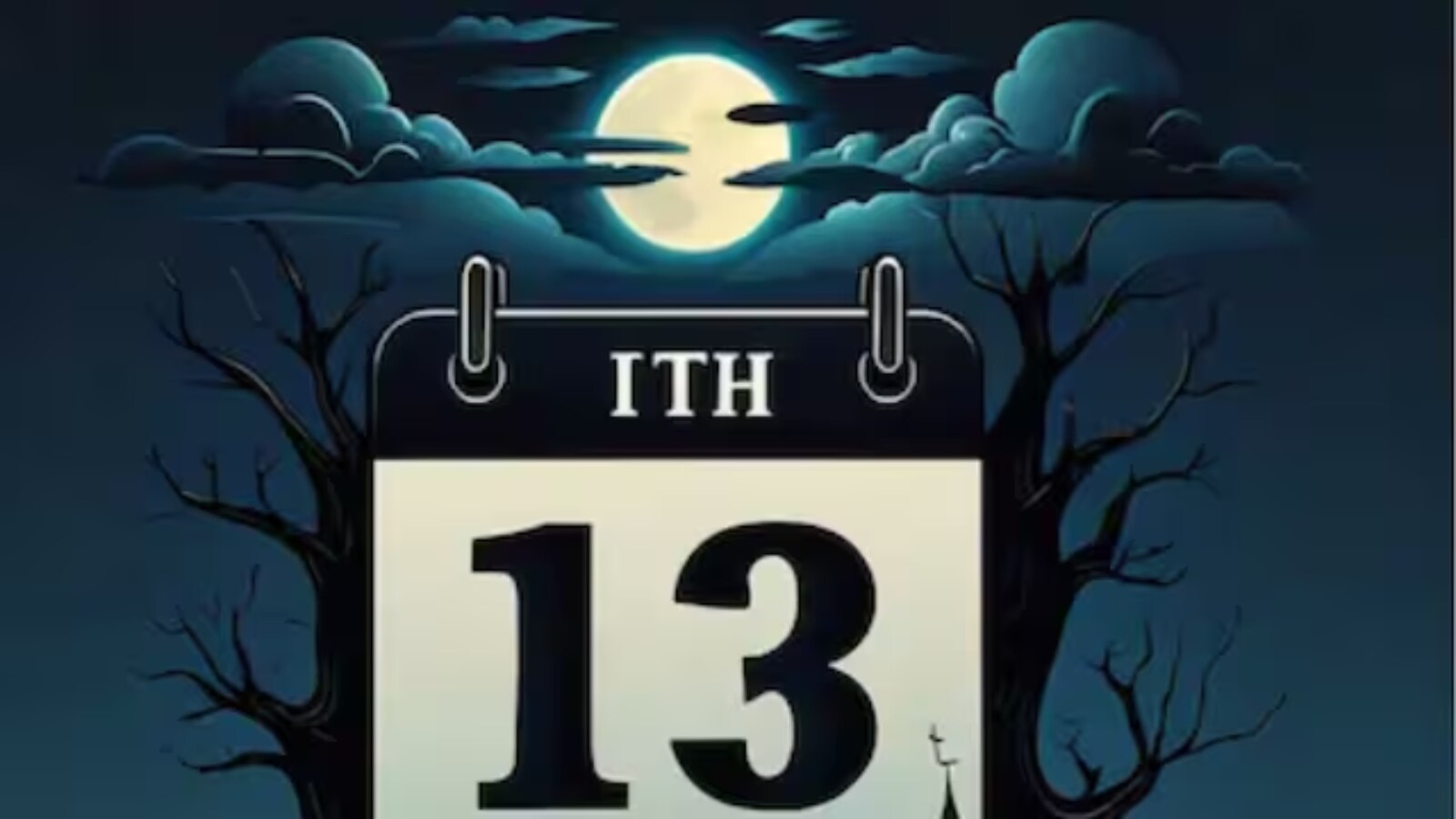
Many people think Friday the 13th is an unlucky day.
This belief comes from old stories, like Norse mythology's chaotic number 13 and Judas at the Last Supper.
The number 13 is seen as bad because it's different.
Some traditions view it as a day of feminine power.
On social media, people share jokes and spooky content.
It's a mix of history, stories, and modern fun, whether you believe it or not.

Friday the 13th is considered a day of bad luck in many cultures.
The superstition is rooted in ancient beliefs around the number 13 and Fridays.
Norse mythology links the number 13 to chaos, with Loki as the uninvited guest at a feast.
Christian tradition associates Friday the 13th with Judas and the Last Supper.
Social media is filled with jokes and memes about Friday the 13th.
- Who
- People in various cultures, particularly those in Western countries.
- What
- The superstition surrounding Friday the 13th.
- When
- Friday the 13th
- Where
- Western cultures and online platforms.
- Why
- Due to historical, religious, and cultural influences.
Skeptics
Believers
Belief vs. Science
Skeptics
Friday the 13th brings bad luck.
Believers
Friday the 13th has no bearing on luck.
- Unlucky Date
- Friday the 13th
- Origin
- Ancient superstitions and cultural beliefs
- Mythological association
- Loki's arrival as the 13th guest
- Religious association
- Judas at the Last Supper
- Cultural impact
- Widespread humor and memes
