

Archive · 21 Jul 2026
Double Carbing: Effects on Fat Burning and Health
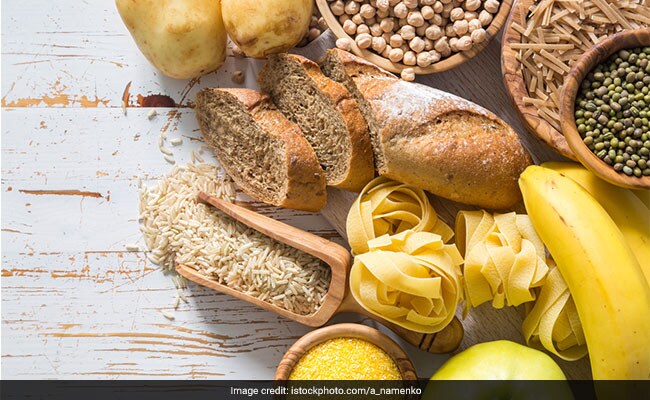
Double carbing means eating two carbohydrate-rich foods in one meal, like rice with bread or pasta with garlic bread.
Experts say that doing this often, especially with refined carbs, can cause bigger spikes in blood sugar and insulin.
This can make it harder for your body to burn fat and may lead to weight gain, insulin resistance, and other health problems.
However, it's not necessarily bad if done occasionally.
The key is to choose high-quality carbs, balance meals with protein and fiber, control portions, and stay active.
Sustainable eating habits are more important than strict rules.

Double carbing involves eating two carbohydrate-rich foods in one meal.
Regular double carbing can lead to larger spikes in blood sugar and insulin levels.
This practice can temporarily suppress fat burning and may contribute to weight gain and insulin resistance.
Not everyone who eats two carbohydrate sources will gain weight; overall calorie intake is the bigger concern.
Experts recommend balancing meals with protein, healthy fats, and fiber, choosing whole grains, and staying physically active.
- Who
- Individuals consuming double carbing meals, especially those with obesity, diabetes, or insulin resistance.
- What
- Double carbing, the practice of eating two carbohydrate-rich foods in the same meal.
- When
- When consuming multiple refined carbohydrates regularly.
- Where
- In meals that include combinations like rice with chapati, pasta with garlic bread, etc.
- Why
- To understand the potential effects on metabolism, fat burning, and overall health.
Proponents of Double Carbing
Critics of Double Carbing
Energy Requirements
Proponents of Double Carbing
Physically active individuals or athletes may benefit from double carbing to replenish glycogen stores.
Critics of Double Carbing
Regular double carbing can lead to larger spikes in blood sugar and insulin levels, which may be harmful for people with obesity, diabetes, or insulin resistance.
Diet Quality
Proponents of Double Carbing
Combining carbohydrates occasionally is not intrinsically harmful and can be part of a balanced diet.
Critics of Double Carbing
Frequent consumption of multiple refined carbohydrates can increase calorie intake and glycaemic load, leading to weight gain and other health issues.
- Definition
- Consuming two major carbohydrate sources in one meal.
- Examples
- Rice with chapati, pasta with garlic bread, burger with fries, pizza with soft drinks, noodles with bread.
- Effects on Fat Burning
- Temporarily suppresses lipolysis, the process through which the body breaks down stored fat.
- Potential Risks
- Weight gain, increased belly fat, insulin resistance, higher risk of type 2 diabetes, fatty liver disease.
- Healthy Alternatives
- Pair carbohydrates with lean protein and healthy fats, choose whole grains, include plenty of vegetables, watch portion sizes, stay physically active.