Archive · 2 Nov 2025
Pakistan's Defence Minister Warns of Strikes Inside Afghanistan Amid Border Tensions
Imagine two neighbors, Pakistan and Afghanistan, who have never gotten along very well.
Pakistan's defense minister recently said that their army might have to go deep into Afghanistan to stop bad guys, called TTP, who are attacking Pakistan from across the border.
This is happening because these TTP fighters have been killing Pakistani soldiers and police.
The article explains that this fighting isn't new.
Even when Pakistan first became its own country, Afghanistan didn't agree with the border and caused problems.
There have been many times in the past when they almost went to war.
The article also talks about a historical figure called the 'Faqir of Ipi' who was like a spiritual leader for some tribes and fought against both the British and the Afghan government.
Pakistan has also, in the past, used religious fighters to try and influence things in Afghanistan, but the article suggests this plan has now gone wrong.
So, the current problems are part of a very long and complicated history of arguments and fighting between these two countries.

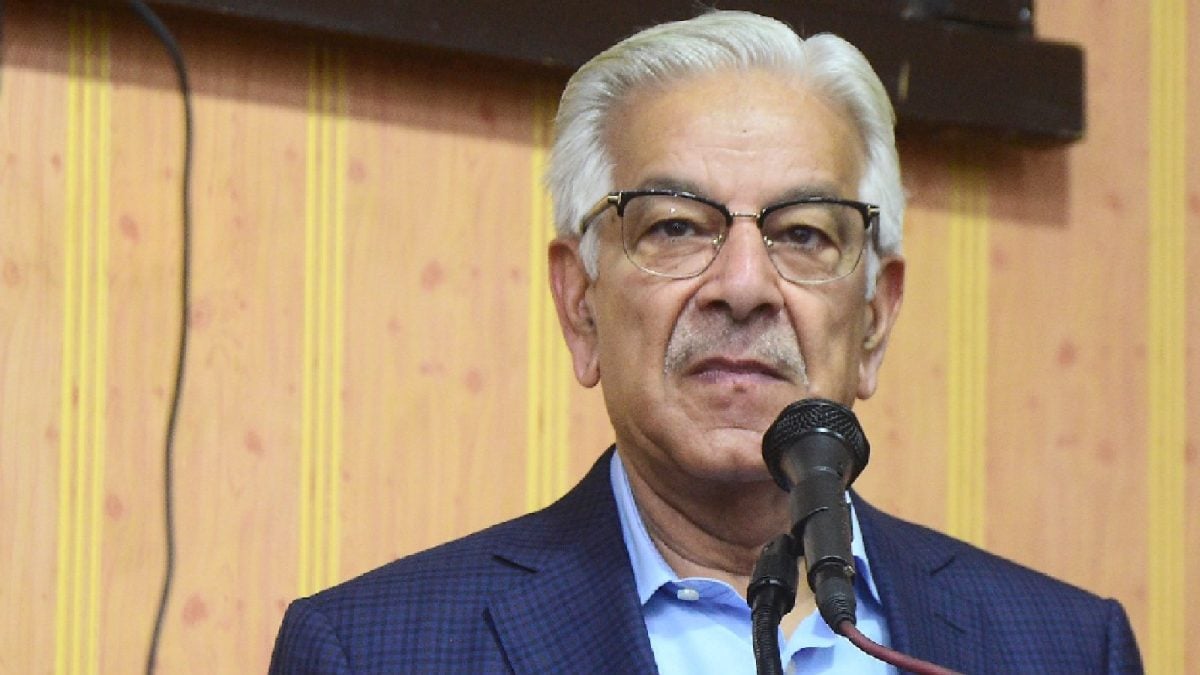
Pakistan's Defence Minister Khawaja Asif has stated the country's military is prepared to strike 'deep inside Afghanistan' in response to cross-border attacks.
These attacks are attributed to Tehreek-e-Taliban (TTP) jihadists, who have been causing casualties among Pakistani troops and police.
The article highlights a historical pattern of conflict between Pakistan and Afghanistan, dating back to Pakistan's independence and involving disputes over ethnic-Pashtun territories and the Durand Line.
Past military confrontations and diplomatic crises between the two nations occurred in 1949, 1955, 1960, and 1976.
Pakistan's past strategy of supporting Islamists in Afghanistan, while intended to counter rivals, is now seen as having backfired, leaving Islamabad facing better-armed terrorists.
- Who
- Pakistan Defence Minister Khawaja Asif, Tehreek-e-Taliban (TTP) jihadists, historical figures like the Faqir of Ipi and Indian foreign minister Jawaharlal Nehru.
- What
- Pakistan's Defence Minister Khawaja Asif warned of strikes 'deep inside Afghanistan' due to ongoing cross-border attacks by TTP jihadists, highlighting a long history of conflict and border disputes between the two nations. The article also delves into historical grievances, ethnic issues, and Pakistan's past strategies involving Islamists.
- When
- Recent (mention of Khawaja Asif's warning), with historical context dating back to the British Empire and Pakistan's independence.
- Where
- The border between Pakistan and Afghanistan, with references to ethnic-Pashtun communities and historical regions like Waziristan.
- Why
- Pakistan is suffering from cross-border attacks by TTP jihadists, leading to casualties among its troops and police. This situation exacerbates long-standing historical and ethnic tensions between Pakistan and Afghanistan.
Pakistan's Perspective
Afghanistan's (Taliban) Historical Stance/Actions
Border Security and Cross-Border Attacks
Pakistan's Perspective
Pakistan views the TTP's cross-border attacks as a direct threat, necessitating potential military action inside Afghanistan.
Afghanistan's (Taliban) Historical Stance/Actions
Historical Afghan actions challenged Pakistan's control over ethnic-Pashtun areas and included opposing Pakistan's international recognition, suggesting a long-standing territorial dispute and distrust.
Historical Grievances and Border Definition
Pakistan's Perspective
Pakistan faces ongoing challenges from groups operating across its western border, which it views as a security threat stemming from historical conflicts.
Afghanistan's (Taliban) Historical Stance/Actions
Afghanistan has historically disputed the Durand Line and the autonomy of ethnic-Pashtun lands, viewing Pakistani sovereignty in these regions with skepticism, leading to recurring tensions and near-conflicts.
Use of Militant Groups
Pakistan's Perspective
Pakistan's past use of Islamists to counter rivals has now backfired, leading to a domestic security crisis.
Afghanistan's (Taliban) Historical Stance/Actions
The article implies a historical pattern where both sides have engaged with or been impacted by various militant and tribal factions, complicating the relationship.
- Pakistan Defence Minister
- Khawaja Asif
- Pakistan's Military Preparedness
- Ready to strike 'deep inside Afghanistan'
- Reason for Tensions
- Cross-border attacks by Tehreek-e-Taliban (TTP) jihadists targeting Pakistani troops and police.
- Historical Context
- Long history of conflict and disputed borders between Pakistan and Afghanistan, including the Durand Line.
- Afghan Actions Regarding Pakistan's Borders
- Afghanistan challenged Pakistan's right to rule ethnic-Pashtun communities and opposed its UN admission shortly after independence.
- Past Military Clashes
- Incidents leading to near-war in 1949, 1955, 1960, and 1976, involving bombings and diplomatic ruptures.
- Pakistan's Strategy with Islamists
- Used Islamists against Kabul during the Cold War and increased funding during the Soviet invasion, a strategy now seen as backfiring.
Sources
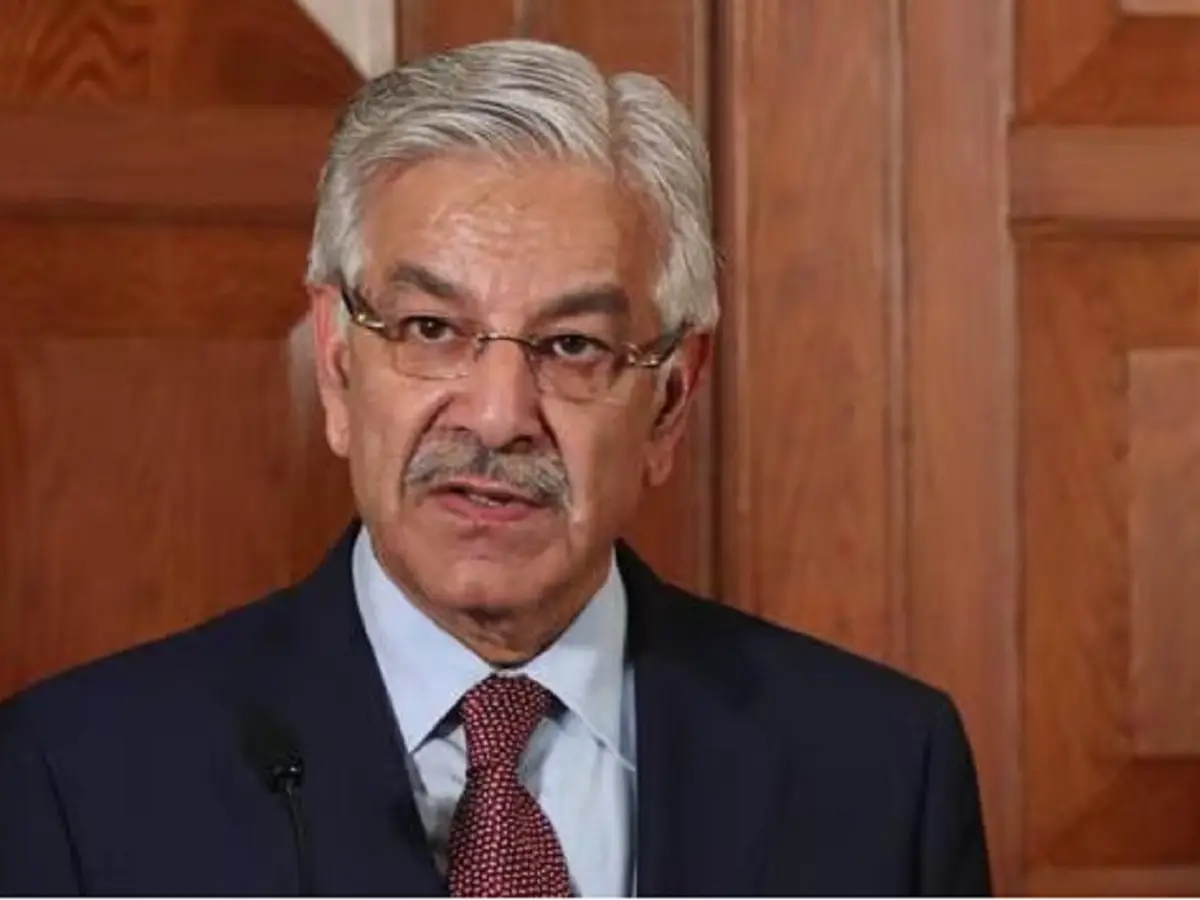
‘India wants to keep Pakistan busy, engaged in conflict’: Defence Minister Khawaja Asif
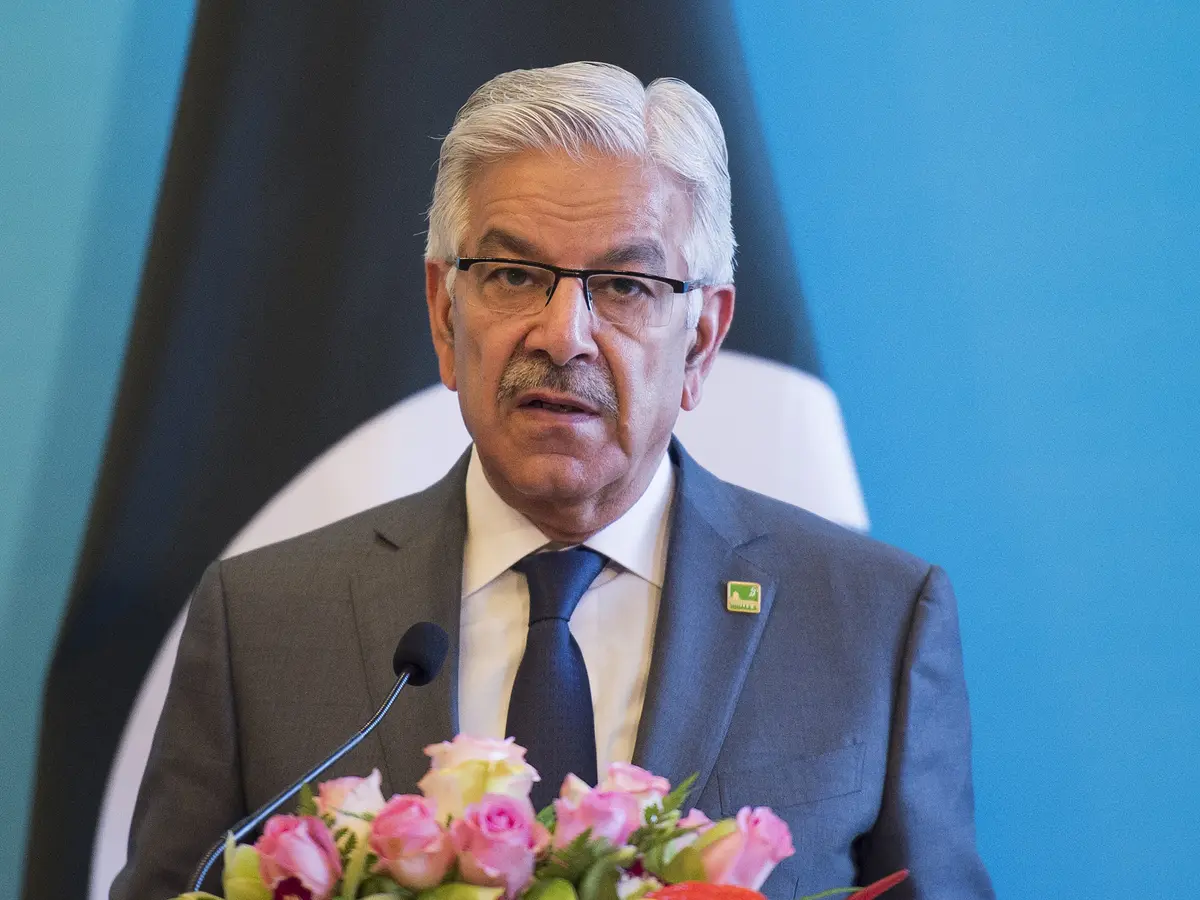
Pakistan’s Khawaja Asif revives anti-India rant, claims New Delhi ‘using Afghanistan as proxy’. Where's the proof?
'Keeping Us Engaged...’: Khawaja Asif Accuses India Of Waging Two-Front War Against Pakistan