

Archive · 29 Nov 2025
Sundarbans Faces Climate Change and Human Struggles
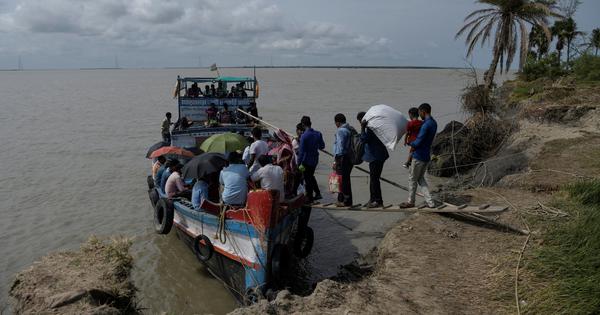
The Sundarbans is a big mangrove forest where many people live.
These people, mostly from Dalit and Adivasi communities, have faced many challenges.
The forest is home to many animals like tigers and crocodiles.
People there grow crops and catch fish, but climate change is making it harder.
The sea is rising, and storms are destroying their homes and farms.
The government has promised to help, but not much has been done.
People are protesting to protect their livelihoods and ask for better support.
They want to be included in plans to protect the Sundarbans and make sure their voices are heard.

The Sundarbans is the largest mangrove forest in the world, home to 7.2 million people, primarily Dalit and Adivasi communities.
Climate change is causing rising sea levels, more frequent cyclones, and salinisation of freshwater, threatening livelihoods and ecosystems.
Historical marginalisation and resource exploitation have left these communities vulnerable and largely invisible in conservation efforts.
Farming and fishing are becoming increasingly difficult due to environmental stress, leading to food insecurity and economic challenges.
Grassroots movements are emerging to advocate for the rights and livelihoods of the local communities, demanding inclusion in restorative actions and sustainable management of resources.
- Who
- Millions of people, primarily Dalit and Adivasi communities, residing in the Sundarbans
- What
- Climate change and human struggles affecting livelihoods and ecosystems
- When
- Ongoing, with significant events like Cyclone Aila in 2009 and Cyclone Amphan in 2020
- Where
- Sundarbans, a mangrove forest spanning the India-Bangladesh border
- Why
- Climate change, historical marginalisation, and resource exploitation
- Location
- India-Bangladesh border
- Population
- 7.2 million
- Area
- 10,000 sq km
- Major Species
- Bengal tigers, spotted deer, saltwater crocodiles, fishing cats, monitor lizards, birds, fish
- Climate Impacts
- Rising sea levels, cyclones, flooding, riverbank erosion, salinisation of freshwater
- Economic Impact
- Rs 6.7 billion ($147 million) per year in ecosystem degradation and biodiversity loss
- Fishing Ban
- Two months each year in India, but no welfare support in West Bengal
- Protests
- 8,000 small-scale fishworkers protested against repressions by local governance bodies