

Archive · 27 Sep 2025
MycoToilet: Waterless Toilet Transforms Waste into Fertilizer
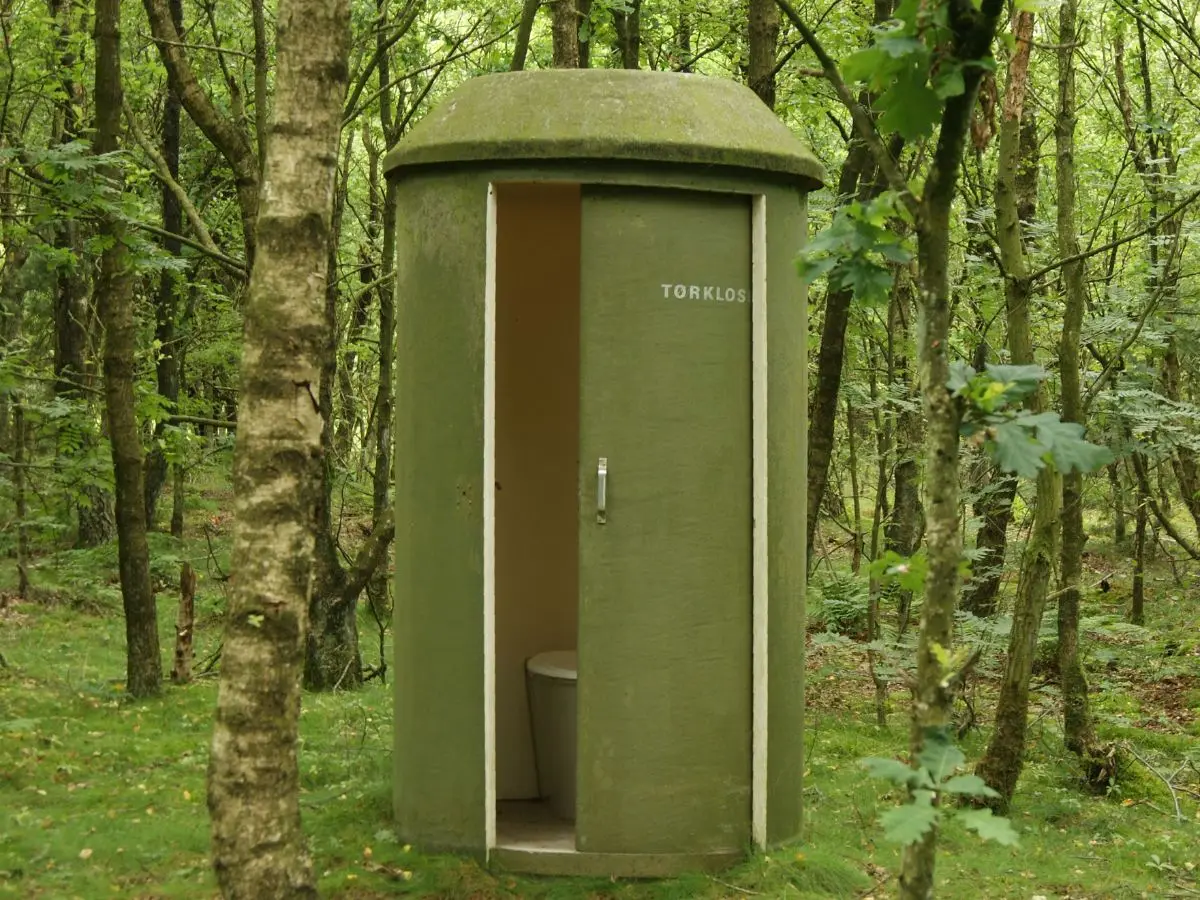
Imagine a toilet that uses mushrooms to turn your waste into plant food!
That's the MycoToilet.
It was created by scientists at UBC.
This toilet uses mycelium, the root part of mushrooms, to break down waste.
It doesn't need water, electricity, or chemicals, and it makes compost.
The toilet is good for parks, and places without regular plumbing.
It helps make the world cleaner by turning waste into something useful.
This method helps in environments where people don’t have access to sanitation by turning waste into something usable like fertilizer.

The MycoToilet is the world's first mushroom-powered waterless toilet.
It transforms human waste into nutrient-rich compost.
The system uses mycelium and thermophilic microbes for decomposition.
Mycelium liners remove over 90% of odor-causing compounds.
It addresses global sanitation challenges, offering an alternative to chemical fertilizers.
- Who
- Researchers at the University of British Columbia (UBC)
- What
- Unveiled the MycoToilet, a waterless toilet that converts waste into fertilizer.
- When
- No specific date mentioned, but unveiled at the UBC Botanical Garden.
- Where
- UBC Botanical Garden in Vancouver, Canada.
- Why
- To offer a sustainable sanitation solution and contribute to soil fertility.
- Innovation
- MycoToilet, a mushroom-powered waterless toilet
- Location
- UBC Botanical Garden, Vancouver, Canada
- Mechanism
- Mycelium-based biocomposite system
- Waste Transformation
- Human waste converted to nutrient-rich compost
- Benefits
- Waterless, electricity-free, reduces pathogen, odor control