

Archive · 29 Jul 2026
Helping Senior Dogs Adjust to New Pets
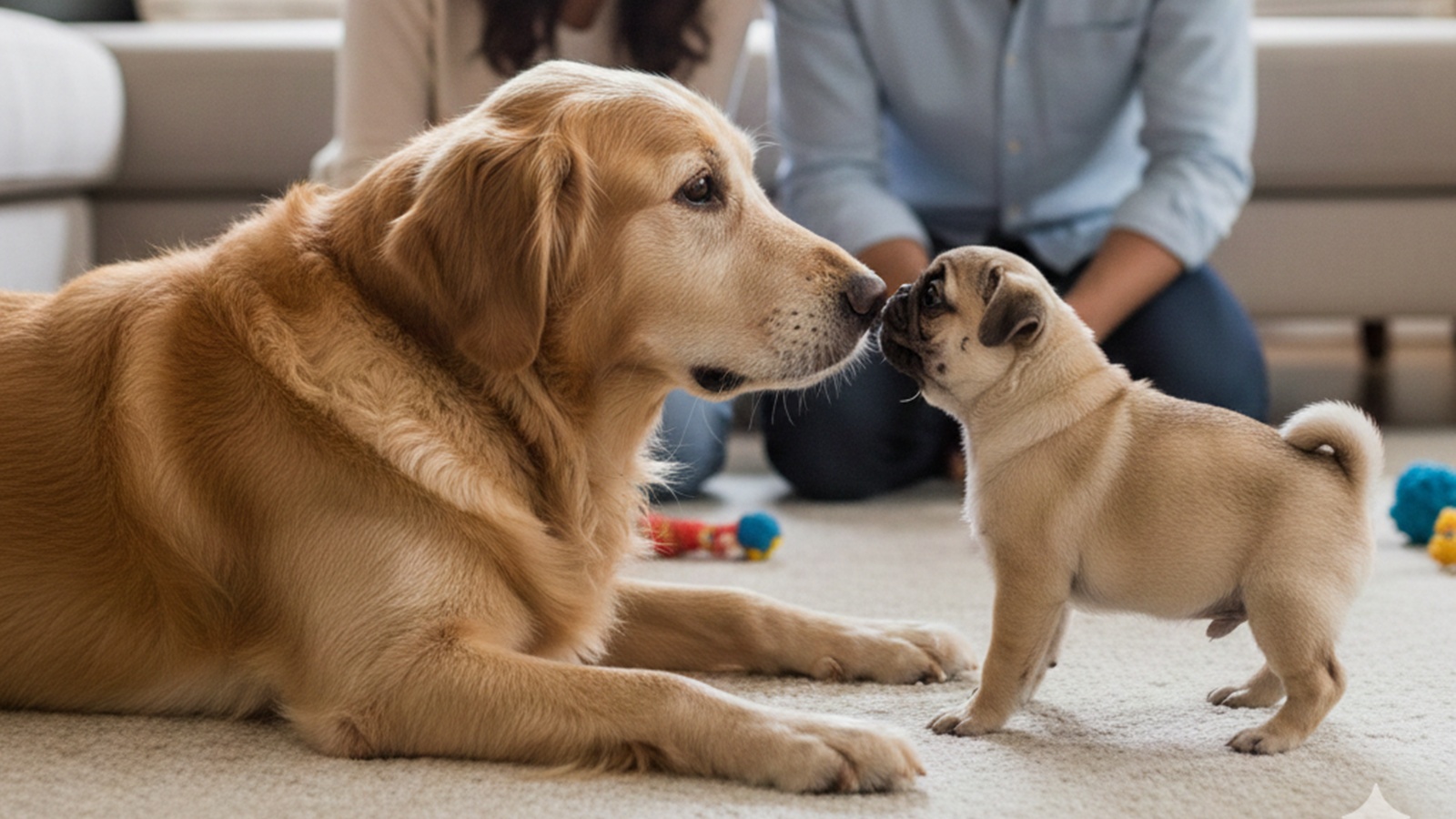
Bringing a new pet home can be exciting, but it can also be stressful for senior dogs who are used to their routines.
Older dogs may show signs of stress like changes in appetite, sleep, or behavior.
To help them adjust, it's important to keep their routines the same, introduce the new pet gradually, give them a quiet space, reward good behavior, and keep an eye on their health.
This way, the senior dog can feel safe and form a new bond with the newcomer without too much stress.

Senior dogs may show stress through changes in appetite, sleep, and behavior.
Preserving routines and introducing the new pet gradually can help reduce stress.
Providing quiet, pet-free zones is important for senior dogs' comfort.
Rewarding calm behavior with treats and praise can create positive associations.
Regular veterinary checks are essential to monitor the senior dog's health.
- Who
- Senior dogs and their owners.
- What
- Adjusting senior dogs to new pets.
- When
- During the introduction and subsequent weeks.
- Where
- At home.
- Why
- To ensure a smooth transition and reduce stress for senior dogs.
Gradual Introduction Advocates
Immediate Bonding Supporters
Introduction Method
Gradual Introduction Advocates
Gradual and neutral introductions on neutral ground are best to reduce stress.
Immediate Bonding Supporters
Immediate bonding can help establish hierarchy and familiarity faster.
- Common Signs of Stress in Senior Dogs
- Withdrawal, reduced appetite, changes in sleep, irritability, excessive licking, avoidance of new pet spaces.
- Importance of Routine
- Preserving feeding times, walks, and attention reassures senior dogs.
- Senior Dog Needs
- Quiet, pet-free zones for rest and comfort.
- Positive Reinforcement
- Rewarding calm behavior with treats and praise.
- Health Monitoring
- Regular veterinary checks to rule out pain or medical issues.