

Archive · 31 Jan 2026
Exhibition Challenges Colonial Photography of India
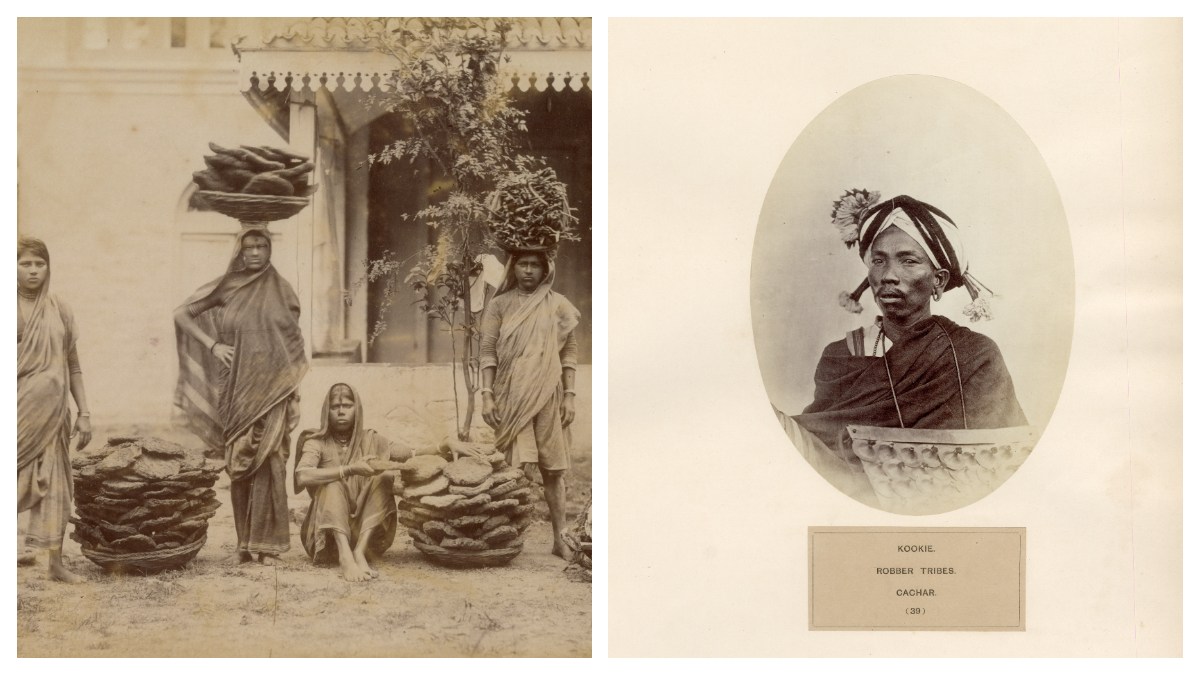
There's an exhibition in New Delhi called Typecasting that shows old photos of India from 1855 to 1920.
It has almost 200 photos taken during the colonial period.
The exhibition wants people to think about how these photos were used to put people into categories or types.
The curator, Sudeshna Guha, says that these photos aren't just facts but tell many stories.
Some photos were taken for science, others for business, and some by Indian photographers.
The exhibition shows how these photos were used to understand and control India, but also how the people in the photos sometimes showed their own agency.
It's a way to think about how we see and believe what we see in photos.

Exhibition Typecasting at Bikaner House, New Delhi, showcases 200 photographs from 1855–1920.
Curated by Sudeshna Guha, it challenges the colonial lens and the objectivity of photography.
Features folios from The People of India project (1868–1875) compiled after the 1857 uprising.
Highlights the agency of subjects in staged photographs and the commodification of images.
Exhibition avoids correcting historical language, inviting viewers to question and reflect.
- Who
- Curated by historian Sudeshna Guha, presented by DAG
- What
- Exhibition of early Indian photography challenging colonial stereotypes
- When
- On display until February 15
- Where
- Bikaner House, New Delhi
- Why
- To explore how photography fixed people into types and the continued belief in those types
- Exhibition Name
- Typecasting: Photographing the Peoples of India, 1855–1920
- Curator
- Sudeshna Guha
- Organizer
- DAG
- Duration
- Until February 15
- Number of Photographs
- Nearly 200
- Time Period Covered
- 1855–1920
- Key Project
- The People of India (1868–1875)