

Archive · 2 Feb 2026
Dr. Ashok Singh: The Scientist Behind India's Basmati Empire
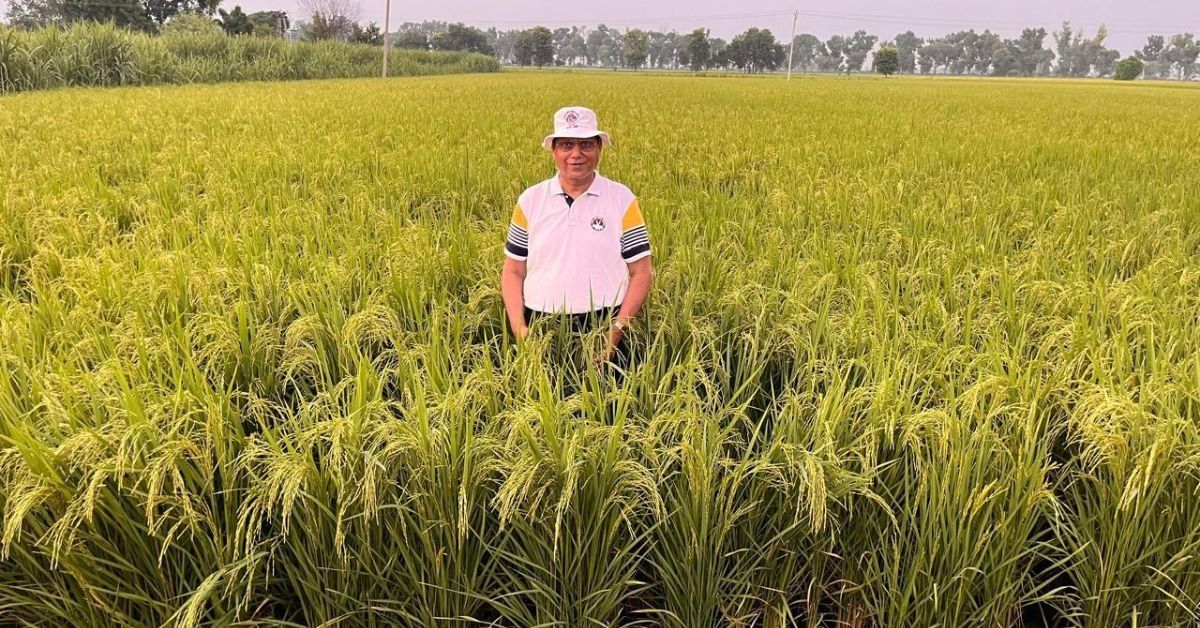
Dr. Ashok Kumar Singh is a scientist who has spent his career improving Basmati rice.
He created special types of Basmati that grow better and taste great, helping millions of farmers.
His rice is now exported all over the world, making a lot of money for India.
He started as a poor village boy but became a famous scientist.
He even won a big award called the Padma Shri.
His work helps farmers grow more rice with less water and keeps the rice safe from diseases.
He also teaches young scientists to do good work.
His story shows how science can help people and make the world better.

Dr. Ashok Kumar Singh developed high-yielding Basmati rice varieties that now cover 2.5 million hectares in India.
His rice varieties contribute to $6 billion in annual exports, supporting millions of farmers' livelihoods.
He won the Padma Shri award for his contributions to agriculture and farmer welfare.
Singh's work includes creating climate-resilient and herbicide-tolerant Basmati rice to address water scarcity and pest issues.
He has mentored 35 PhD scholars and five MSc students, many of whom are now leading scientists in their own right.
- Who
- Dr. Ashok Kumar Singh, a plant breeder and former Director of ICAR-IARI
- What
- Developed high-yielding Basmati rice varieties that transformed India's rice exports
- When
- Over three decades of research, with significant contributions in the 1990s and 2000s
- Where
- Primarily in the Basmati-growing regions of North India (Haryana, Punjab, Uttar Pradesh, etc.)
- Why
- To improve farmer livelihoods, enhance food security, and boost India's agricultural exports
- Name
- Dr. Ashok Kumar Singh
- Age
- 63 years
- Award
- Padma Shri
- Institution
- Indian Agricultural Research Institute (IARI)
- Basmati Varieties
- Pusa Basmati 1401, 1509, 1692, 1718, 1728, 1847, 1885, 1886, 1979, 1985
- Export Earnings
- $6 billion (Rs 51,000 crore) annually
- Farmers Benefited
- Millions across North India
- Research Focus
- High-yielding, climate-resilient Basmati rice