

Archive · 5 Aug 2026
Rajya Sabha approves bill raising Supreme Court judges to 38
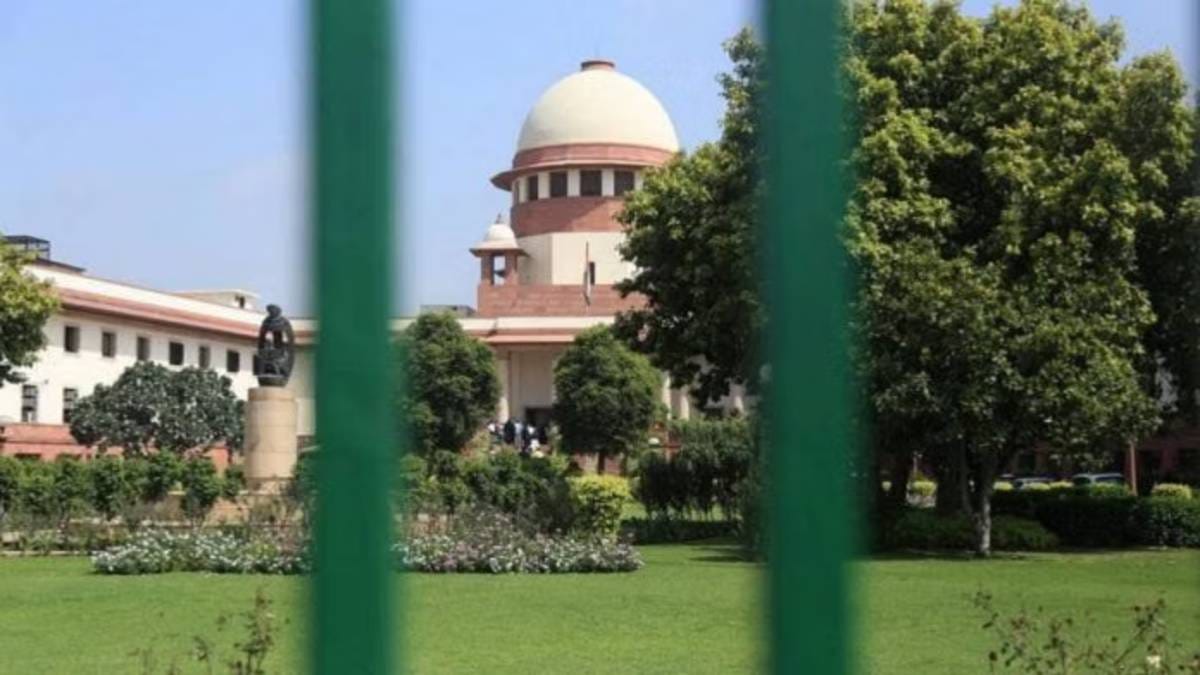
India's Parliament has two big rooms where laws are made, and one of them is called the Rajya Sabha.
The people in the Rajya Sabha voted yes on a new rule about judges.
This rule lets India's highest court have more judges.
Right now, the court can have 34 judges.
With the new rule, it can have 38 judges.
More judges means more people available to look at cases.
The government says this will help clear the big pile of waiting cases.
A minister said the court will also try to solve disagreements through talking and mediation instead of long court fights.
That way, people may get answers faster.
The new rule still needs to go back to the other room, the Lok Sabha, before it is fully approved.

The Rajya Sabha approved a bill to increase the Supreme Court's judge strength from 34 to 38 via a voice vote.
Being a Money Bill, the bill was passed by the Upper House and returned to the Lok Sabha.
The bill seeks to replace an ordinance that previously increased the number of Supreme Court judges.
Minister of State for Law and Justice Arjun Ram Meghwal said the increase is part of judiciary reforms to improve judicial efficiency.
The government plans alternative dispute resolution mechanisms such as arbitration, mediation, and conciliation to reduce case pendency.
- Who
- The Rajya Sabha (India's Upper House of Parliament) and Minister of State for Law and Justice Arjun Ram Meghwal.
- What
- Approved a bill to increase the number of Supreme Court judges from 34 to 38.
- When
- Wednesday, during a Rajya Sabha session.
- Where
- New Delhi, India.
- Why
- To improve judicial efficiency and reduce the pendency of cases in the Supreme Court.
- Approving body
- Rajya Sabha (Upper House of Indian Parliament)
- Judge strength change
- 34 to 38
- Method of passage
- Voice vote
- Bill classification
- Money Bill, returned to Lok Sabha
- What it replaces
- An ordinance increasing the number of Supreme Court judges
- Supporting official
- Arjun Ram Meghwal, Minister of State for Law and Justice
- Purpose
- Judicial reforms and reducing case pendency