

Archive · 13 Sep 2026
Rice Remains India’s Comfort Food Across Traditions and Tables
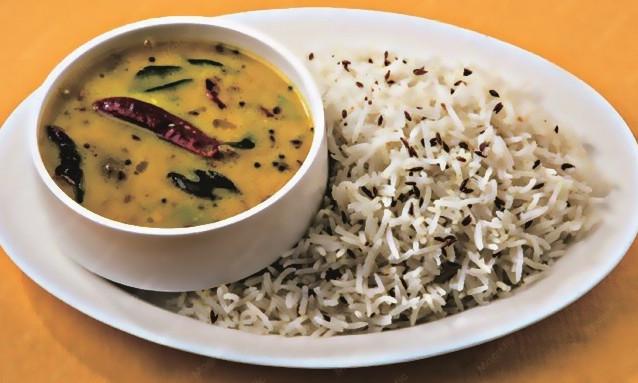
Rice is an important food in India and is eaten in many different ways.
People serve it at everyday meals, celebrations, and religious ceremonies.
Different regions grow special kinds of rice with their own smells and textures.
Long rice grains usually stay separate when cooked, while short grains become soft and sticky.
Chefs say washing, soaking, measuring water, and resting the rice help it cook well.
White rice is still a favorite comfort food even as people try millets, quinoa, and darker rice varieties.
Brown, red, and black rice contain more fibre and some additional nutrients.
Eating a sensible portion with vegetables, lentils, curd, or protein can make a rice meal more balanced.
The recipes featured include coconut rice, jaggery rice pudding, and nasi goreng.

Rice is a staple in Indian meals, festive spreads, puja, and comfort foods such as dal-chawal, biryani, and kheer.
Indigenous varieties including Indrayani, Matta, and Joha reflect regional flavors, textures, and cultural identities.
Long-grain rice is cooked with less water for separate grains, while short-grain rice needs more moisture and becomes creamier.
Steaming or boiling and draining can reduce starch, while pressure cooking preserves nutrients but retains more starch.
Dietitians recommend watching portions and pairing rice with legumes, vegetables, curd, or other protein, especially for people with diabetes.
- Who
- Indian chefs and dietitian Vidisha Parekh discuss rice, its preparation, cultural role, and nutrition.
- What
- A food feature examines rice varieties, cooking methods, health considerations, and three rice recipes.
- Where
- The discussion focuses on India, with references to regional cuisines and chefs at hotels in New Delhi and Goa.
- Why
- Rice remains widely valued because it is adaptable, affordable, nourishing, culturally significant, and associated with comfort and tradition.
- Cultural role
- Rice represents prosperity, fertility, and sustenance in Indian puja traditions.
- Regional varieties
- Indrayani, Matta, and Joha are highlighted for their distinctive aroma, grain, and character.
- Long-grain method
- Long-grain rice generally needs slightly less water, gentle cooking, and minimal stirring.
- Short-grain method
- Short-grain rice benefits from more moisture and longer cooking, producing a creamy or cohesive texture.
- Suggested portion
- Healthy adults can eat about 1–1.5 cups of rice per meal when it is balanced with other foods.
- Nutritional comparison
- Brown, red, and black rice retain bran and provide fibre, B vitamins, magnesium, and antioxidants.
- Featured recipes
- The article presents burnt garlic and coconut rice, jaggery rice pudding with coconut caramel, and nasi goreng.