

Archive · 25 Sep 2026
India Plans Domestic Smart Meter Chips by Mid-2028
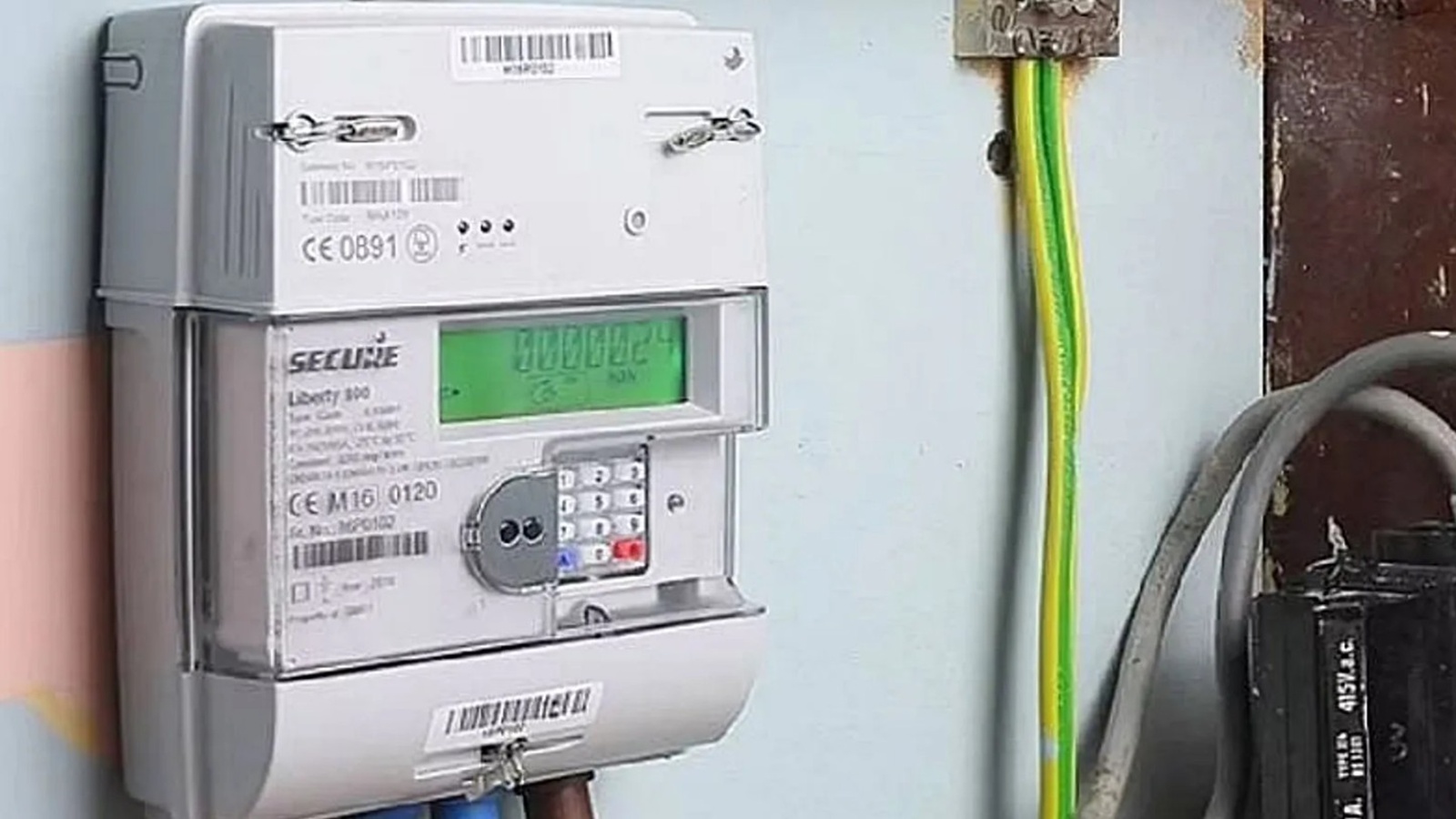
The government wants smart meters to use chips designed in India by the middle of 2028.
Smart meters help measure electricity use.
Officials are worried that foreign-made chips could create cybersecurity risks.
Indian companies are already designing and testing possible chips.
The government says it may also require some of the chips to be made in India.
These chips currently cost about $8 to $10 each.
Making them domestically might lower the cost of smart meters.
The government is also preparing a new electricity policy for changing power-grid needs.

The government plans to mandate domestically designed smart-meter chips by mid-2028 to address cybersecurity risks.
Power Secretary Pankaj Agarwal said domestic chip production could also reduce smart-meter manufacturing costs.
Smart-meter chips currently cost about $8 to $10 each, according to Agarwal.
Under various schemes, 7.24 crore smart meters have been installed across India, including 5.73 crore under RDSS.
The Ministry of Power has sent the draft National Electricity Policy to the Union Cabinet for inter-ministerial consultation.
- Who
- The Ministry of Power and Power Secretary Pankaj Agarwal.
- What
- The government plans to mandate domestically designed, and potentially domestically manufactured, chips in smart meters by mid-2028.
- When
- The chip mandate is planned for mid-2028; the draft National Electricity Policy is currently undergoing inter-ministerial consultation.
- Where
- India.
- Why
- To address cybersecurity risks in smart meters and potentially reduce manufacturing costs.
- Planned chip mandate
- Mid-2028
- Current chip cost
- About $8-$10 per smart-meter chip
- Smart meters sanctioned under RDSS
- 20.33 crore
- Smart meters installed under RDSS
- 5.73 crore
- Smart meters installed across India under various schemes
- 7.24 crore
- Draft electricity policy status
- Sent to the Union Cabinet for inter-ministerial consultation
- Existing electricity policy
- The new policy will replace the National Electricity Policy notified in 2005