

Archive · 29 Jul 2025
Tips to Spot Fake Lauki: Avoid Injected Vegetables
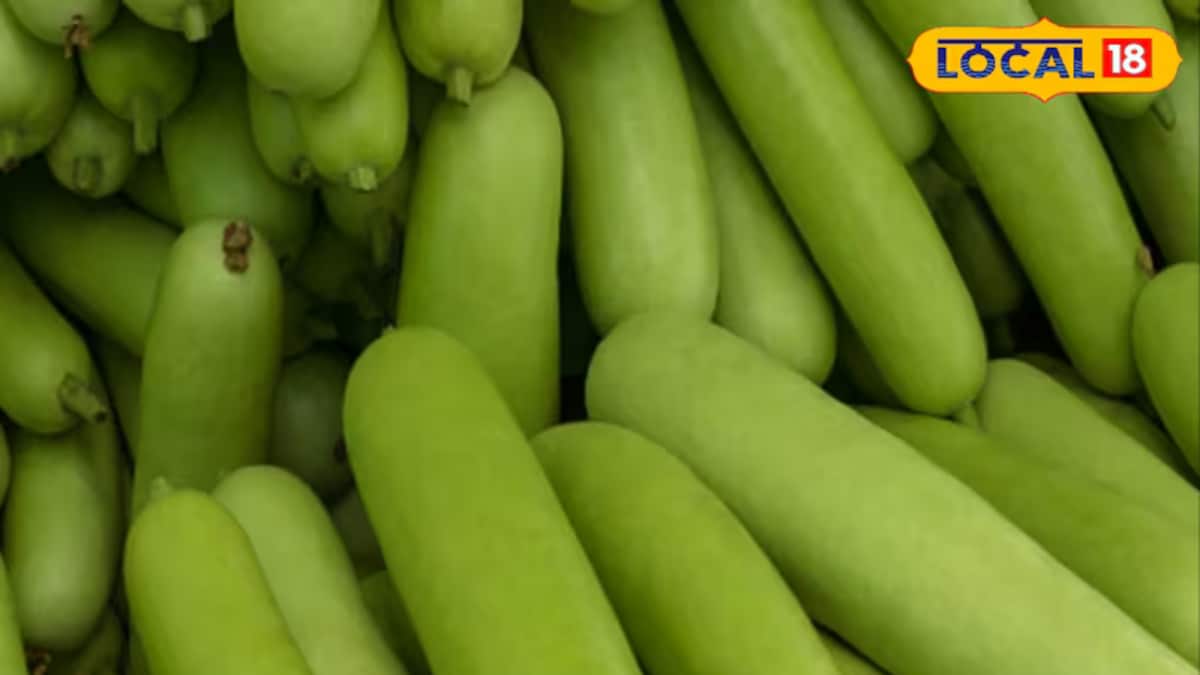
Some sellers are injecting bottle gourds (laukis) with chemicals to make them look better and sell for more money.
These gourds might look extra shiny and dark green, or feel greasy.
They could also be bigger than normal or have a strange smell.
If you cut one open and the inside looks weird or smells bad, it's best not to eat it.
To stay safe, wash your vegetables well, especially in salt water, to remove any chemicals.

Laukis, or bottle gourds, are sometimes injected with chemicals to enhance their appearance and market value.
Artificially enhanced laukis often appear glossy, dark green, and may feel greasy.
Unusually large size or a strange smell can also indicate chemical treatment.
Cutting the gourd and observing the pulp's color and smell can reveal signs of adulteration.
Thorough cleaning with salt water can help remove chemical residues.
- Who
- Traders are injecting the laukis. Consumers are the audience.
- What
- Laukis (bottle gourds) are being injected with chemicals to enhance their appearance.
- When
- Published July 29, 2025
- Where
- In the market where laukis are sold.
- Why
- To make them appear fresher, greener, and bigger to increase their visual appeal and market value.
Consumers
Traders
Safety vs. Profit
Consumers
Consumers want safe, healthy food.
Traders
Traders prioritize profit over consumer health.
- Affected Vegetable
- Lauki (Bottle Gourd)
- Purpose of Injection
- To enhance appearance and market value
- Appearance of Enhanced Lauki
- Glossy, dark green, potentially greasy
- Additional Signs
- Unusual size, strange smell, off-color pulp
- Recommended Cleaning Method
- Soaking in salt water