15 hrs ago
Anne Carson’s Nobel Win Highlights Literature’s Gender Gap
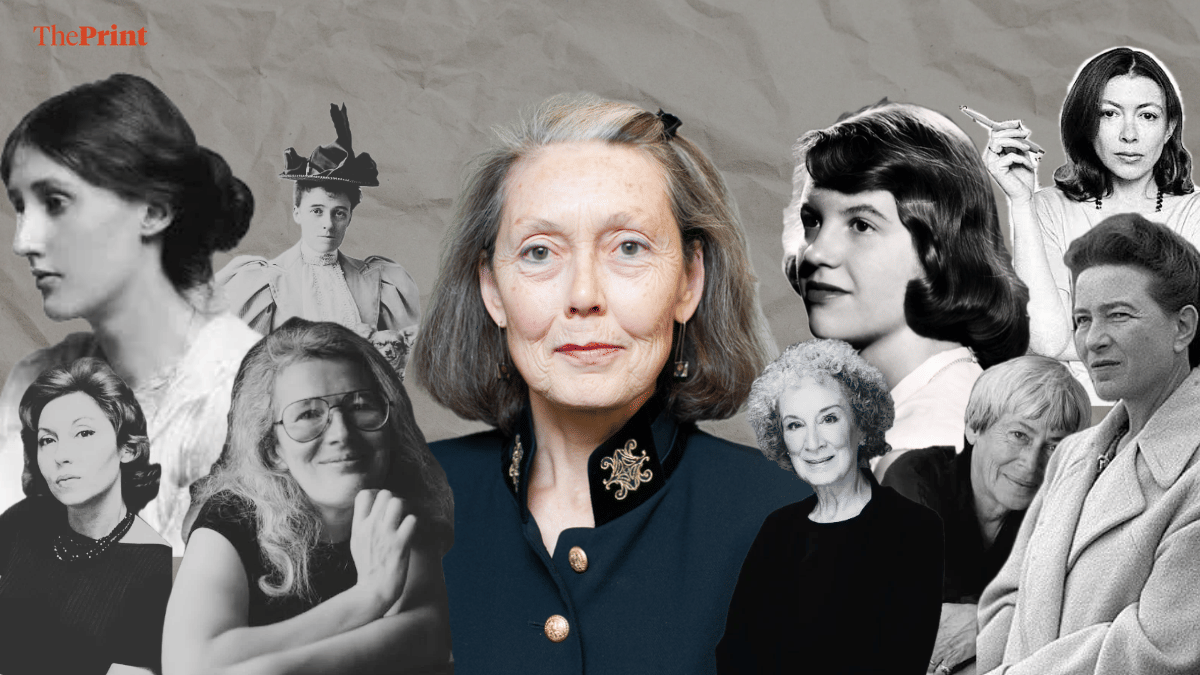
Anne Carson has won the Nobel Prize in Literature.
She is only the 19th woman to receive it, while 104 men have won.
The article says this difference is part of a long history in which women writers were overlooked.
Some women used men’s names or hid their identities so people would read their work.
Publishers, critics, and schools also helped decide whose writing was treated as important.
The author says things have improved, but the old unfairness has not simply disappeared.
Carson’s win is worth celebrating, while more women writers should also be recognized.

Anne Carson is the 19th woman to win the Nobel Prize in Literature since it began in 1901, compared with 104 men.
The article says women make up only 19 of 123 total literature laureates, and argues that this imbalance deserves scrutiny.
It describes how women writers used male pseudonyms or published anonymously to overcome prejudice and gain a fair hearing.
The author says publishers, critics, and universities helped shape literary recognition, often treating men’s writing as universal and women’s as niche.
The article welcomes greater attention to women writers but argues that recent progress does not repair past exclusion or guarantee equal recognition.
- Who
- Anne Carson and women writers discussed in an opinion article about literary recognition.
- What
- Carson’s Nobel Prize win is presented as both a reason to celebrate and a reminder of the gender imbalance among Literature laureates.
- Where
- The Nobel Prize in Literature and the wider literary world.
- When
- The article refers to Carson’s win and to the Nobel Prize in Literature since its first award in 1901.
- Why
- The author argues that women have historically faced barriers to publication, recognition, and inclusion in the literary canon.
Why the disparity matters
Cautions about judging prizes
Interpreting the gender imbalance
Why the disparity matters
The article argues that women’s small share of Nobel Literature wins reflects longstanding prejudice and barriers to recognition.
Cautions about judging prizes
The article acknowledges that prizes are subjective, no writer is owed a trophy, and the count alone cannot measure literary merit.
Progress and repair
Why the disparity matters
The author says increased attention to women writers does not undo past exclusion or ensure equal recognition today.
Cautions about judging prizes
The article notes that women now rarely need male pseudonyms and that literary prizes have become more attentive to previously overlooked writers.
Key facts
- Women Nobel laureates in Literature
- 19, according to the article
- Men Nobel laureates in Literature
- 104, according to the article
- Total laureates cited
- 123
- First Nobel Prize in Literature
- 1901
- Article’s position
- Carson’s win should be celebrated, but the gender gap and historical exclusion remain significant.
- Examples of pseudonyms
- Mary Ann Evans wrote as George Eliot; the Brontë sisters used Currer, Ellis, and Acton Bell.
Sources
Related news

Anne Carson Wins Nobel for Transforming Poetry and Literature
Why Predicting the Nobel Literature Winner Remains Difficult

Can Xue Leads Betting for 2026 Literature Nobel
Anne Carson Wins 2026 Nobel Prize in Literature

Anne Carson Wins Literature Nobel While Sweeping Kitchen Floor

Why the Nobel Prize Keeps Literary Readers in the Dark

Kit Harington Joins Harry Potter Despite Rowling Controversy

J.K. Rowling’s Yacht Name Covered After Los Angeles Docking

HBO Expands Harry Potter Season Two Cast With Dobby, Ginny
Harry Potter Series Trailer Sparks Nostalgia and Backlash