

Archive · 5 Jan 2026
Type 2 Diabetes Alters Heart Structure, Raises Heart Failure Risk
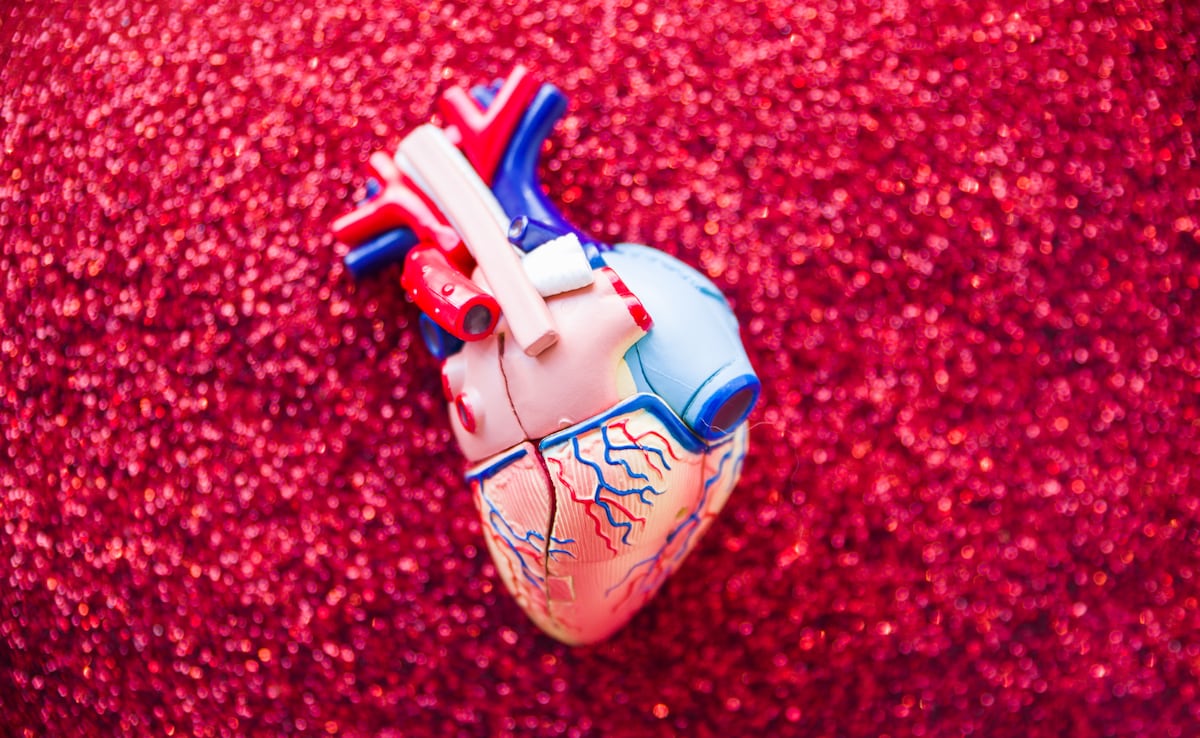
Scientists in Australia studied human hearts to see how type 2 diabetes affects them.
They found that diabetes changes how the heart makes energy and makes the heart muscle weaker.
This can lead to a buildup of stiff tissue, making it harder for the heart to pump blood.
The researchers used special microscopes to see these changes.
They also found that diabetes makes heart cells less sensitive to insulin, which is important for using glucose for energy.
This helps explain why people with diabetes are more likely to have heart problems.
The study looked at hearts from both sick and healthy people to understand these changes better.

Type 2 diabetes disrupts heart cell energy production and weakens heart muscle structure.
Diabetes causes a buildup of stiff, fibrous tissue in the heart, making it harder to pump blood.
These effects are most pronounced in patients with ischemic cardiomyopathy, the leading cause of heart failure.
The study, published in EMBO Molecular Medicine, is the first to jointly examine diabetes and ischemic heart disease in human hearts.
Diabetes reduces insulin sensitivity in heart cells, interfering with glucose use for energy.
- Who
- Researchers at the University of Sydney, Australia
- What
- Type 2 diabetes alters heart structure and function, increasing heart failure risk
- When
- Study findings published in EMBO Molecular Medicine (specific date not mentioned)
- Where
- University of Sydney, Australia
- Why
- To understand how diabetes affects heart biology and contributes to heart failure
- Study Conducted By
- University of Sydney, Australia
- Study Focus
- Human heart tissue from transplant recipients and healthy individuals
- Key Findings
- Diabetes disrupts heart energy production, weakens muscle structure, and causes fibrous tissue buildup
- Published In
- EMBO Molecular Medicine
- Lead Researcher
- Dr. Benjamin Hunter, School of Medical Sciences
- Primary Condition Studied
- Ischemic cardiomyopathy
- Key Biological Impact
- Reduced insulin sensitivity in heart cells