

8 months ago
Scientists Create First 3D Images of Popocatépetl Volcano
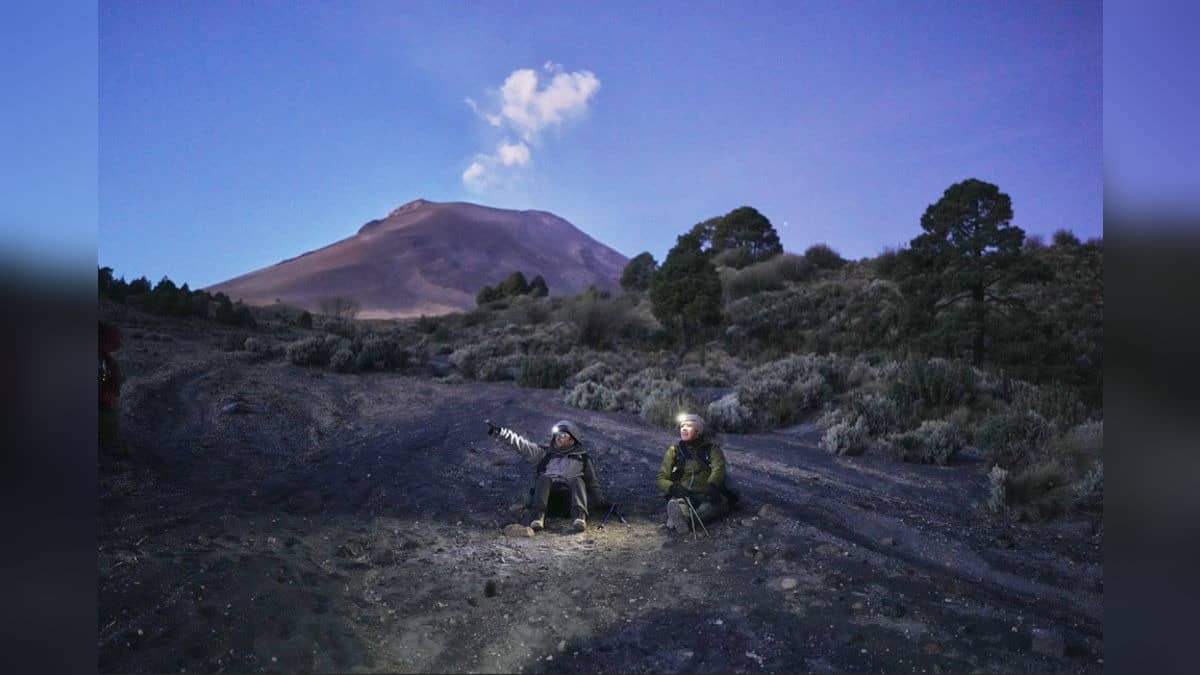
Scientists have created the first 3D images of the inside of Popocatépetl, a big and active volcano in Mexico.
They used special machines to measure movements and sounds inside the volcano.
This helps them see where the hot rock called magma is stored.
The volcano is very tall and can affect many people nearby.
The scientists had to climb the volcano many times to collect information.
They used computers to make sense of the data.
This will help people stay safe if the volcano erupts.
The volcano has been active for a long time and sometimes makes smoke and ash.
The scientists found that the magma is stored in different places inside the volcano.
They also found that the volcano makes more sounds and movements on one side.
This research will help scientists learn more about how volcanoes work.

Scientists from UNAM created the first 3D images of Popocatépetl volcano’s interior using 22 seismographs and artificial intelligence.
The 3D images show multiple magma pools at different depths, particularly toward the southeast of the crater.
Popocatépetl is one of the world’s most active volcanoes, with 25 million people living within a 62-mile radius.
The research involved climbing the volcano to collect seismic data and using AI to analyze the signals.
The volcano’s activity can affect nearby cities, including Mexico City, and has been active since 1994.
- Who
- Scientists from Mexico’s National Autonomous University (UNAM)
- What
- Created the first 3D images of Popocatépetl volcano’s interior
- Where
- Popocatépetl volcano in Mexico
- When
- After five years of research, with the final expedition recently completed
- Why
- To better understand the volcano’s activity and improve emergency responses
Key facts
- Volcano Name
- Popocatépetl
- Height
- 17,883 feet (5,452 meters)
- Location
- Mexico
- Population at Risk
- 25 million within 62 miles (100 km)
- Research Team
- National Autonomous University of Mexico (UNAM)
- Seismographs Used
- 22
- Depth of 3D Image
- 11 miles (18 kilometers) below the crater
- Last Major Eruption
- 2023
Quotes
Marco Calò
Professor in the UNAM's Geophysics Institute’s vulcanology department and the project leader
“very important to be able to understand and give residents detailed, trustworthy information about what is happening inside the volcano”
 republicworld.com
“understand how something works without touching it”
republicworld.com
Karina Bernal
Doctoral student and researcher on the project
“I taught the machine about the different types of tremors there are in El Popo”
republicworld.com