Archive · 9 Jun 2025
How Calorie Cutting Can Make You Depressed and How to Avoid It

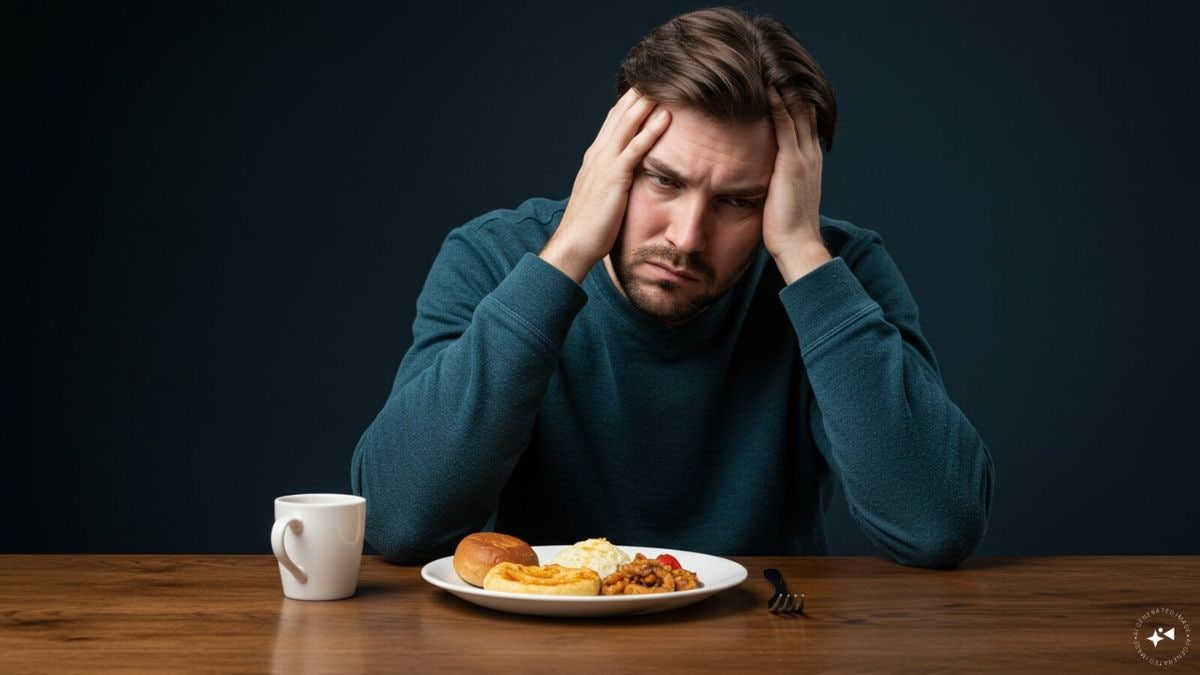
Cutting calories too much can make you sad.
When you don't eat enough, your brain doesn't get all the nutrients it needs, which affects your mood.
This can make you tired, and lose interest in things.
It's important to eat a balanced diet, making sure you get enough vitamins and minerals, instead of severely restricting your calorie intake to avoid these mood changes.

Excessive calorie restriction can increase the risk of depression.
Nutrient deficiencies, like lacking B vitamins and omega-3, may cause low mood.
Low blood sugar can trigger irritability and mood swings.
Hormonal imbalances such as cortisol and estrogen changes may worsen depression.
Focusing on balanced eating can help to reduce these effects.
- Who
- Not specified
- What
- Excess calorie cutting can be linked to depression.
- When
- Not specified
- Where
- Not specified
- Why
- Excess calorie cutting can lead to nutrient deficiencies and hormonal imbalances affecting mood.
Effects of Low-Calorie Diets on Mood
Strategies to Avoid Depression with Calorie Cutting
Nutrient Deficiencies
Effects of Low-Calorie Diets on Mood
Excessive calorie restriction often leads to a lack of essential nutrients that can support brain health and neurotransmitter function, possibly resulting in fatigue and low mood.
Strategies to Avoid Depression with Calorie Cutting
Ensure your calorie deficit still includes nutrient-dense foods like leafy greens, nuts, seeds, whole grains, and oily fish or flaxseeds to avoid nutrient deficiencies.
Blood Sugar and Serotonin Production
Effects of Low-Calorie Diets on Mood
Severely cutting calories can cause frequent drops in blood sugar, leading to irritability, dizziness, and mood swings.
Strategies to Avoid Depression with Calorie Cutting
Eat complex carbs like whole grains and fruits that support serotonin production and eat smaller, balanced meals throughout the day to maintain stable blood sugar.
- Key Concern
- Depression Risk
- Potential Causes
- Nutrient deficiencies, low serotonin, blood sugar drops, hormonal imbalances
- Recommended Action
- Prioritize nutrient-rich foods