

Archive · 5 Dec 2025
Montgomery Bus Boycott Marks 70th Anniversary
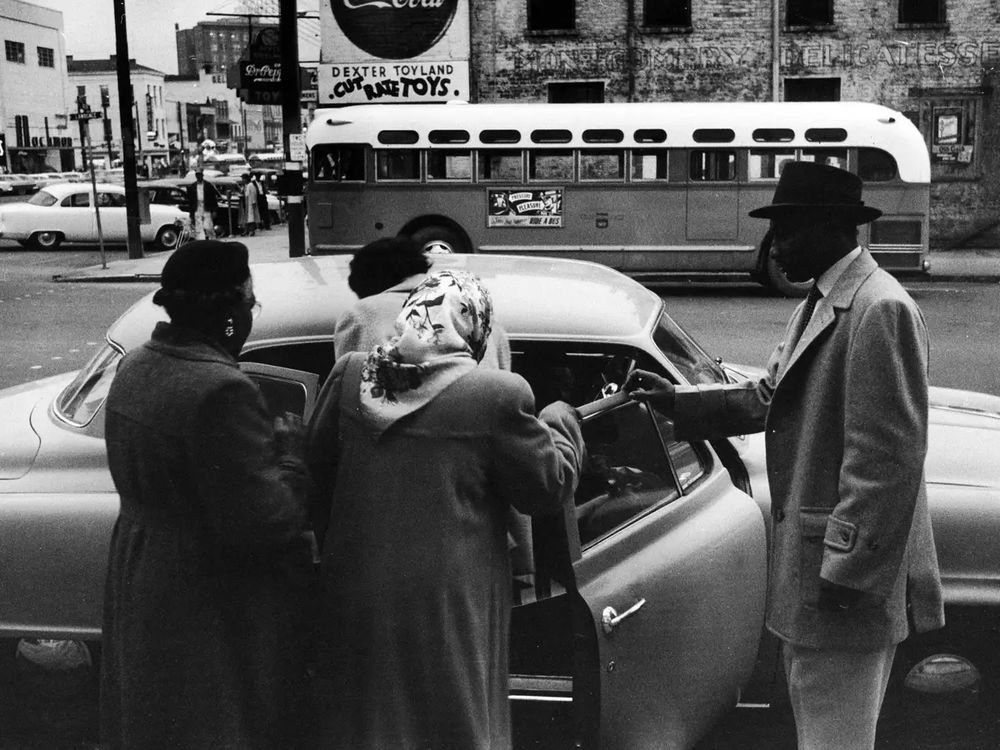
A long time ago, in 1955, Black people in Montgomery, Alabama, were treated unfairly on buses.
They had to sit at the back and give up their seats to white people.
One day, a woman named Rosa Parks refused to give up her seat and was arrested.
This made people very angry, so they decided not to ride the buses anymore.
For almost a year, they walked or found other ways to get around.
This was called the Montgomery Bus Boycott.
It was a big deal because it showed that people could make a difference by working together and not spending money where they weren't treated fairly.
Today, people still use this idea to protest and make changes.

The Montgomery Bus Boycott began on December 5, 1955, after Rosa Parks' arrest for refusing to give up her bus seat to a white passenger.
The boycott lasted 381 days, with an estimated 40,000 Black residents refusing to ride city buses.
Activists like Rosa Parks and the NAACP played key roles in organizing and sustaining the boycott.
The boycott demonstrated the power of nonviolent protest and economic pressure, serving as a model for future activism.
Today, activists continue to use similar strategies, such as boycotting companies over diversity and inclusion policies.
- Who
- Black residents of Montgomery, Alabama, led by activists like Rosa Parks and the NAACP
- What
- A boycott of city buses to protest segregation
- When
- Began December 5, 1955, lasting 381 days
- Where
- Montgomery, Alabama
- Why
- To protest the arrest of Rosa Parks and the segregation policies on city buses
- Date of Boycott
- December 5, 1955
- Duration
- 381 days
- Key Figure
- Rosa Parks
- Organizations Involved
- NAACP, Southern Christian Leadership Conference
- Current Activists
- Doris Crenshaw, Deborah Scott, Madison Pugh