

Archive · 14 Jan 2026
Swami Vivekananda's Legacy Beyond Public Holiday Celebrations
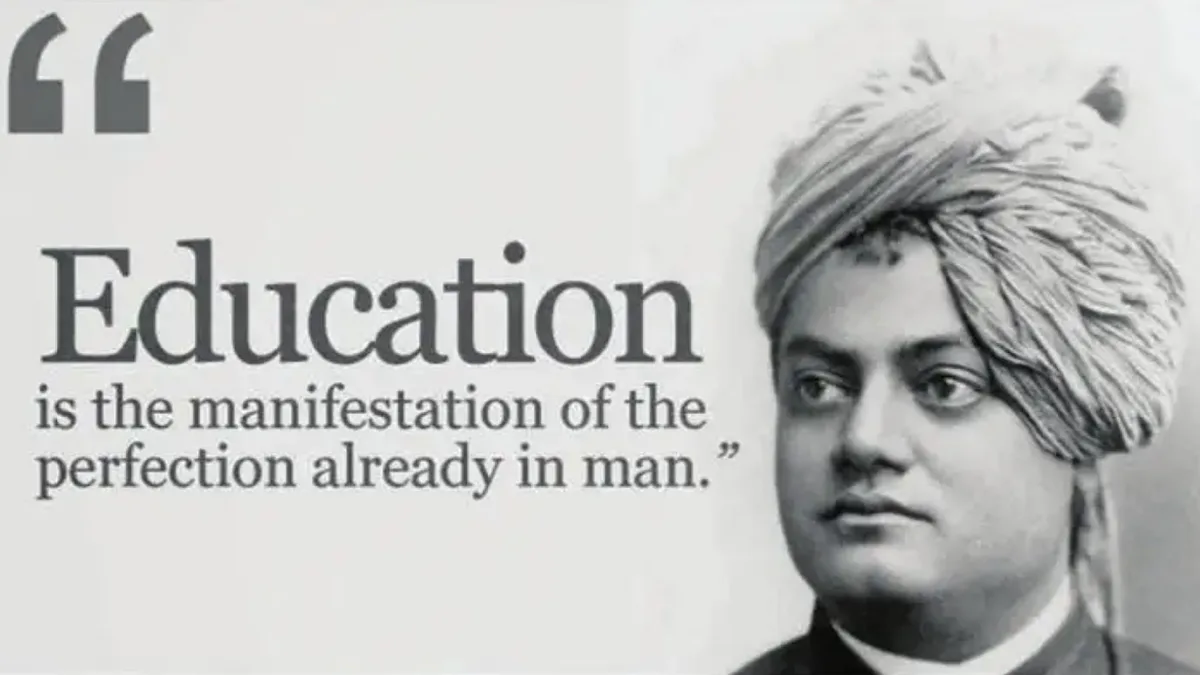
Every year on January 12, India celebrates Swami Vivekananda's birthday as Youth Day.
In West Bengal, it's a public holiday.
People remember him through speeches and cultural programs.
But some worry that celebrating him with holidays and speeches isn't enough.
Vivekananda believed in education that builds character and moral strength, not just knowledge.
He also taught that all religions are true and that serving others is like serving God.
He wanted people to be kind and help those in need.
Today, some feel that society isn't living up to these values.
There's more intolerance and less compassion.
Vivekananda's ideas remind us to be better people and to treat everyone with respect and kindness.

January 12 is observed as Youth Day in India to commemorate Swami Vivekananda's birth anniversary, with West Bengal declaring it a public holiday.
Celebrations include lectures, cultural programs, and discussions about Vivekananda's life and ideas.
Vivekananda's philosophy emphasizes education as the awakening of the whole person, including moral and spiritual growth.
He advocated for religious diversity and the acceptance of all religions as true, promoting harmony and understanding.
Vivekananda's teachings stress compassion, service to others, and the importance of empowering the marginalized and poor.
- Who
- Swami Vivekananda
- What
- Celebration of his birth anniversary and reflection on his teachings
- When
- January 12
- Where
- India, particularly West Bengal
- Why
- To honor his contributions and reflect on his philosophical and moral teachings
- Date of Observation
- January 12
- National Significance
- Youth Day
- Public Holiday
- West Bengal
- Vivekananda's Core Belief
- Education as manifestation of perfection in man
- Vivekananda's View on Religion
- Acceptance of all religions as true
- Vivekananda's Philosophy on Service
- Service to others as worship
- Vivekananda's Critique of Society
- Indifference towards the poor and marginalized