Archive · 5 Sep 2025
Gurugram: India's Wealthy City Fails Basic Governance
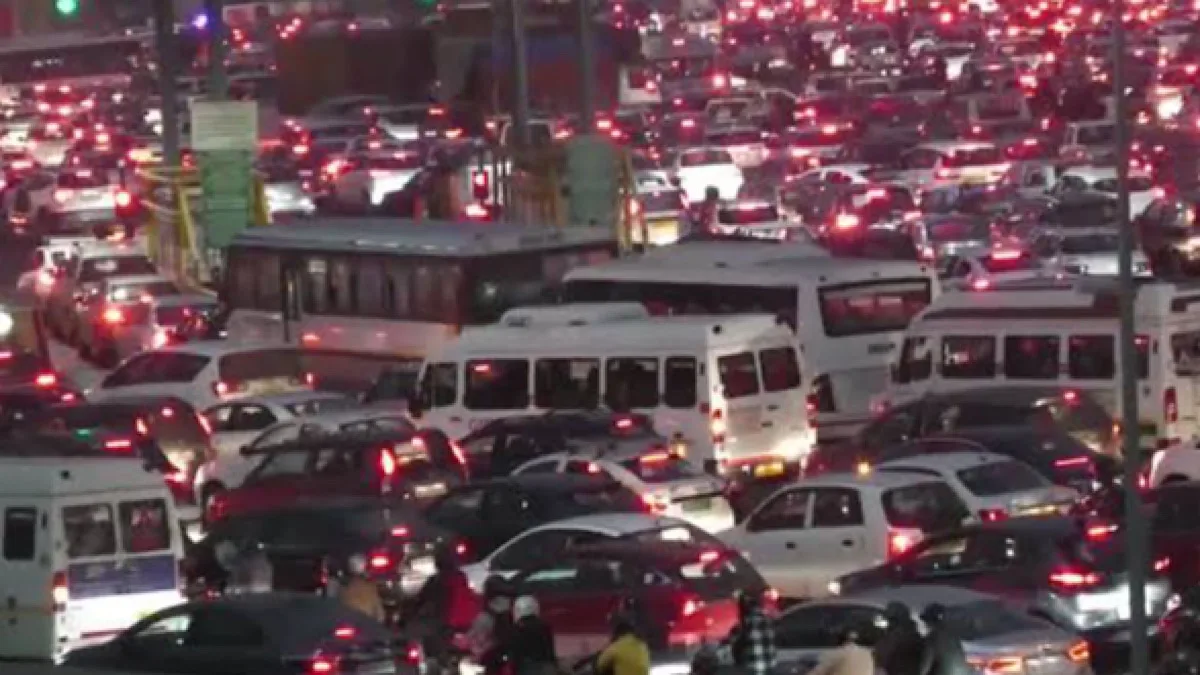
Gurugram, a very rich city near Delhi, floods easily because it lacks a sense of community and good government.
The city was built by developers, not citizens, leading to problems like poor drainage.
People rely on private services instead of the government, which means they don't push for improvements.
Since local politics are dominated by rural areas, Gurugram's problems aren't a top priority.
It is a cycle of neglect, private solutions, and ongoing problems during the monsoon seasons.

Gurugram, a wealthy city, repeatedly floods due to poor infrastructure.
The city lacks a cultural core and civic identity, hindering governance.
Developer-led growth created a city focused on consumption over community.
Residents rely on private services, leading to disengagement from politics.
Political power is dominated by rural areas, overshadowing city concerns.
- Who
- Gurugram residents, developers, Haryana government
- What
- City's governance failures and chronic flooding
- When
- Recent monsoon seasons
- Where
- Gurugram, India
- Why
- Lack of civic culture, privatization, and state neglect
- Defining Characteristics
- High-rise apartments, malls, corporate suburb
- Historical Context
- Agrarian district until 1990s
- Governance Issues
- Dysfunctional drainage, lack of civic identity
- Citizen Behavior
- Dependence on private services
- Political Influence
- Limited by rural vote banks
- Economic Model
- Neoliberal turn: privatization, deregulation, developer-driven growth
Sources
On shaky ground

Day after Zirakpur reeled under rain fury, residents say, ‘cannot continue living in fear every monsoon’

Weather update: Red alert issued for Gujarat; check IMD's rainfall prediction for Delhi, Gurugram

The rain catastrophes in western Himalayas this year are not isolated events. Here’s why