

Archive · 9 Oct 2026
EcoGram Marks Decade, Diverts Waste and Restores Local Ecosystems
EcoGram is a project that helps villages manage waste and care for their environment.
It started in one village in 2016 and now works across 10 villages.
People separate their waste so that food scraps and recyclable materials can be handled differently.
The project says it has kept a large amount of waste out of landfills and recycled dry waste.
It has also helped improve two lakes and change some eucalyptus plantations into other tree plantings.
A programme has taught local women tailoring skills, and some participants have made new products from used fabric.
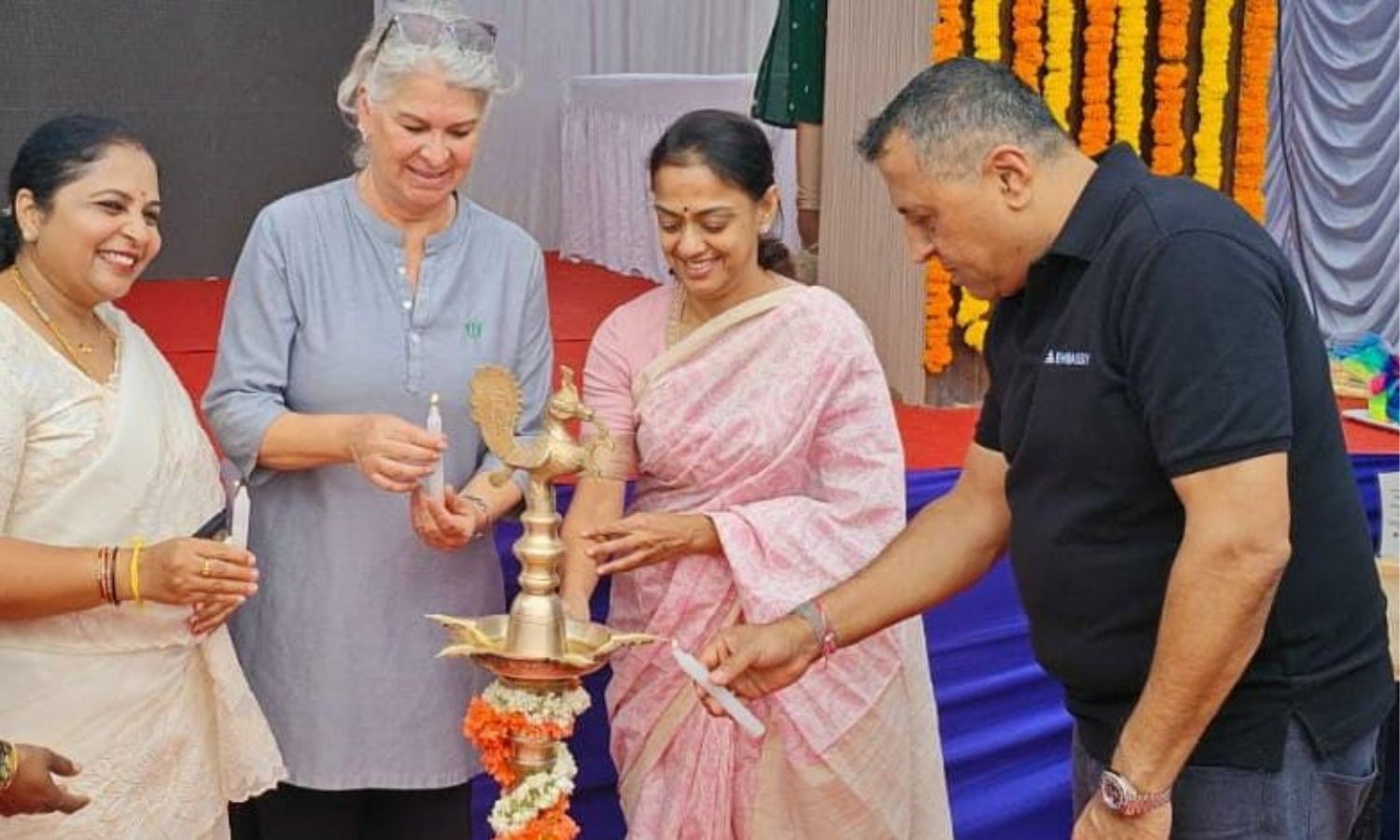
The project marked 10 years of work with local residents, workers and officials.
Its organisers say local involvement has helped make the approach work.

EcoGram began as a 2016 pilot in Tarahunise and now serves 10 villages and 4,802 households.
Over the decade, it saved 19,623 cubic metres of landfill space and recycled 1,524 metric tonnes of dry waste.
Its reported environmental impacts include 8,647 trees saved, 3,343 MWh of energy conserved and 5,583 MT of CO₂-equivalent emissions avoided through FY26.
The project’s 2Bin1Bag system and EcoHub support waste collection and processing, with primary segregation above 96% in recent years.
EcoGram has supported lake restoration, agroforestry and local livelihoods, including tailoring programmes that graduated 169 women.
- Who
- The Anonymous Indian Charitable Trust’s EcoGram Project, working with Bettahalasuru Gram Panchayat and local communities.
- What
- A decade milestone for a local waste, water and soil management initiative.
- When
- The milestone was marked after ten years of work; the pilot began in 2016.
- Where
- Bettahalasuru Gram Panchayat area in North Bengaluru, Karnataka.
- Why
- To develop a replicable model for sustainable waste, water and soil management.
Project organisers and supporters
Other perspectives
Community-led environmental change
Project organisers and supporters
Project leaders and supporters say lasting environmental change depends on local ownership, sustained engagement and systems communities can use in daily life.
Other perspectives
The article presents no opposing criticism or alternative viewpoint; the effectiveness claims are reported by the project and its supporters.
- Project start
- Pilot launched in Tarahunise village in 2016.
- Current reach
- 10 villages and 4,802 households.
- Landfill space saved
- 19,623 cubic metres, approximately 16 acre-feet.
- Dry waste recycled
- 1,524 metric tonnes.
- Primary segregation
- Above 96% in recent years.
- Lake biodiversity
- Assessments at Tarahunise Lake documented 469 species.
- Livelihood programme
- Threads of Life has graduated 169 local women from tailoring and skill-building programmes.