

Archive · 29 May 2025
Alligators: Guardians of the Everglades Ecosystem
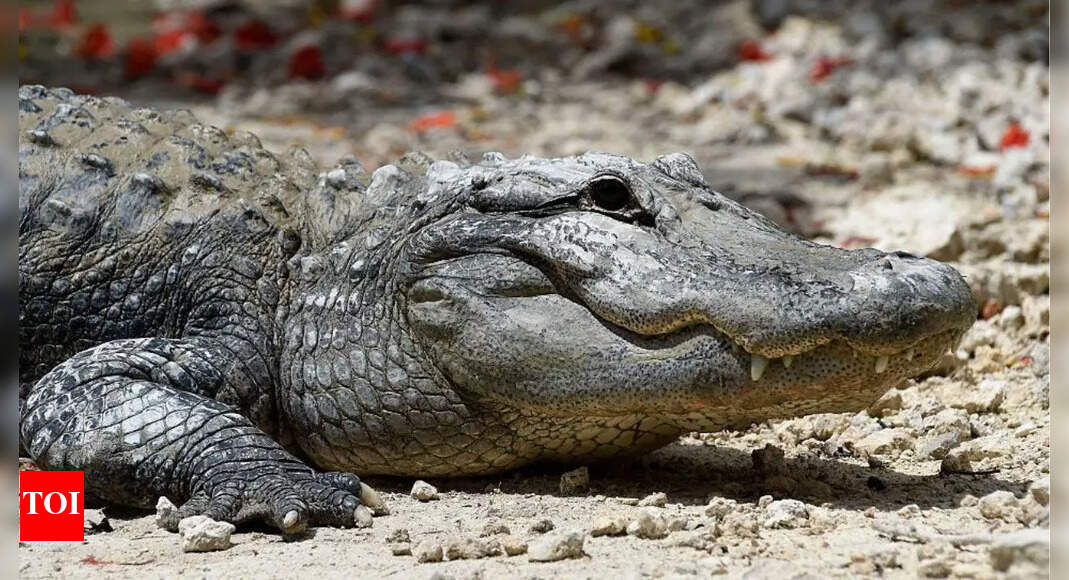
Imagine the Everglades is like a giant bathtub, and alligators are like the helpful plumbers.
These ancient reptiles dig holes that hold water during dry times, creating homes for other animals like fish and birds.
They also help keep the water clean and control the number of other animals, like a natural cleanup crew.
Once hunted almost to extinction, they're now protected, and scientists are learning how important they are.
Alligators are like engineers, building and maintaining a healthy environment in the Everglades for everyone.

Alligators play a vital role in the Everglades ecosystem, shaping habitats and supporting biodiversity.
They dig holes that retain water during dry spells, creating refuge for various species.
Alligators help maintain water quality and control the population of prey species.
Once endangered, alligators have rebounded due to conservation efforts and their ecological importance is now recognized.
The Miccosukee Tribe views alligators as benevolent creatures and 'guardians' of the Everglades.
- Who
- Alligators and their impact on the Everglades ecosystem
- What
- Alligators' vital role in the Everglades ecosystem
- When
- From the 1850s to the present
- Where
- Florida's Everglades
- Why
- To highlight the ecological importance of alligators in maintaining the Everglades' health and biodiversity
- Ecosystem
- Unique wetland ecosystem in Florida
- Alligator's Role
- Create habitats, maintain water quality, control prey population
- Current Alligator Population in SE US
- Over three million
- Alligator holes
- Dig holes that retain water, provide refuge for various species
- Alligator's Role
- Apex predators, and ecosystem engineers
- Miccosukee Tribe view on alligators
- Beneficial for plants, fish, and frogs