

Archive · 30 Dec 2025
2025 Environmental Breakthroughs Offer Hope
In 2025, scientists made big steps in fighting climate change.
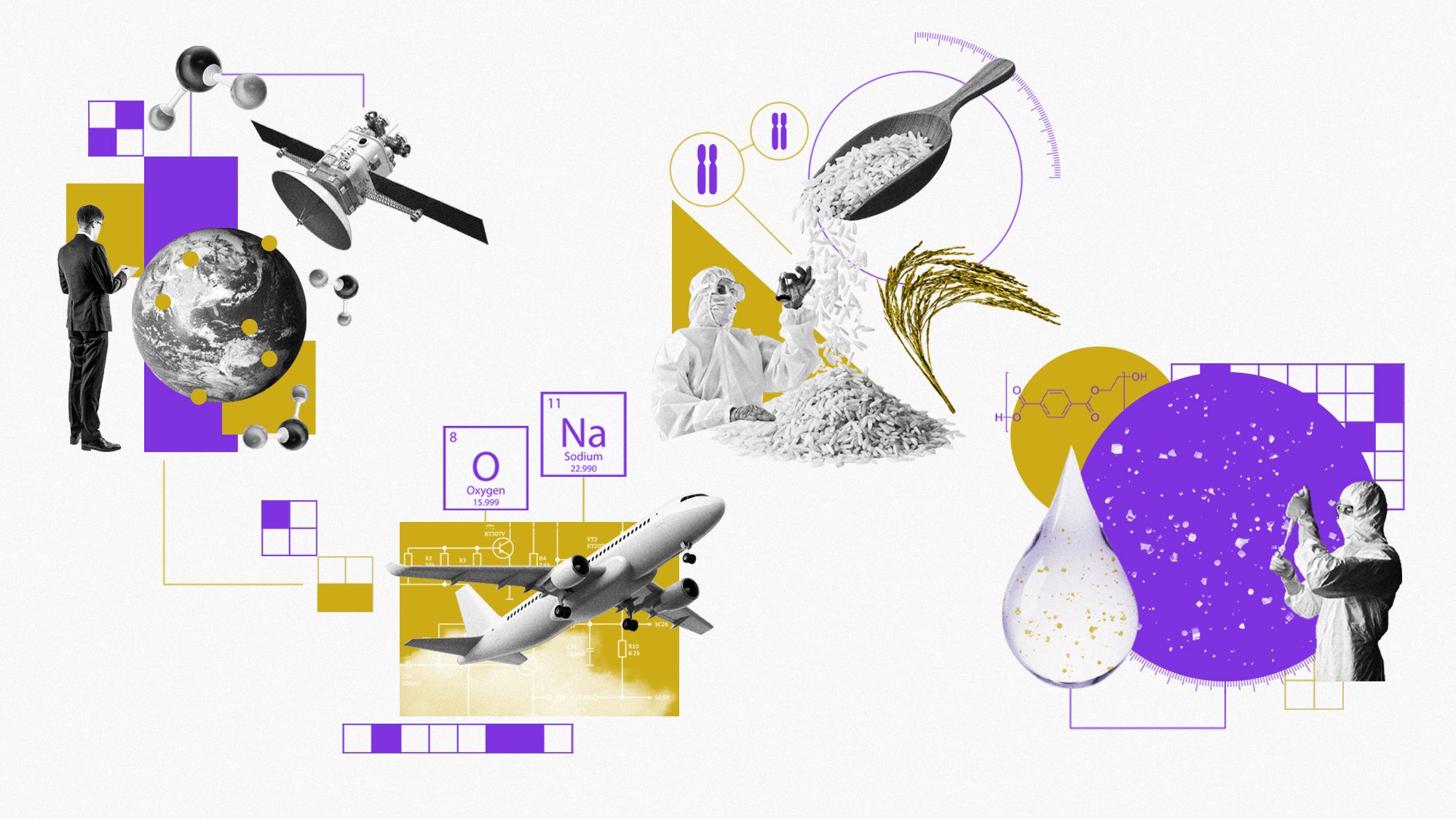
They created better ways to track CO2 from satellites, used AI to turn food waste into useful things, found a gene to protect rice from heat, and developed new batteries for electric planes.
They also made tools to measure microplastics in water, turned toxic waste into clean energy materials, and invented green concrete that doesn't pollute as much.
These discoveries give hope for a cleaner future.

Researchers developed a satellite-based method to track CO2 emissions more accurately using nitrogen dioxide as a proxy.
AI-powered systems now manage food waste, converting it into compost and biogas to reduce greenhouse gas emissions.
A gene variant discovered in rice can protect it from heat, with potential benefits for other cereals like wheat and corn.
MIT's sodium-air fuel cell prototype offers a sustainable and cost-effective solution for electric flight, producing environmentally beneficial by-products.
The European Commission created reference material to measure microplastics in water, aiding global pollution tracking efforts.
- Who
- Researchers from Tsinghua University, MIT, Chinese Academy of Agricultural Sciences, and others.
- What
- Scientific breakthroughs in carbon tracking, food waste management, rice gene variants, sodium batteries, microplastic referencing, bio-tar conversion, and green concrete.
- When
- In 2025.
- Where
- Globally, with specific research conducted in China, the US, and Europe.
- Why
- To combat global warming and promote sustainable practices.
- Carbon dioxide satellite tracking
- Tsinghua University researchers used nitrogen dioxide as a proxy for CO2 to monitor emissions more accurately.
- Automated food waste upcycling
- AI-powered systems reduce food waste and convert it into compost and biogas, reducing greenhouse gas emissions.
- Gene variant in rice
- A gene variant discovered by Chinese researchers protects rice from heat, potentially benefiting other cereals like wheat and corn.
- Sodium batteries
- MIT's sodium-air fuel cell prototype delivers more energy per kilogram than lithium-ion batteries and produces environmentally beneficial by-products.
- Microplastic referencing
- European Commission's reference material for measuring PET particles in water aids global microplastic pollution tracking.
- Bio-tar to bio-carbon
- Chinese researchers convert bio-tar, a toxic by-product, into bio-carbon for water purification and clean energy storage.
- Green concrete
- Cement-free green concrete technologies use industrial byproducts, reducing CO2 emissions and raw material demand.