Archive · 28 Jun 2025
China's Rare Earth Restrictions Disrupting Global Supply Chains
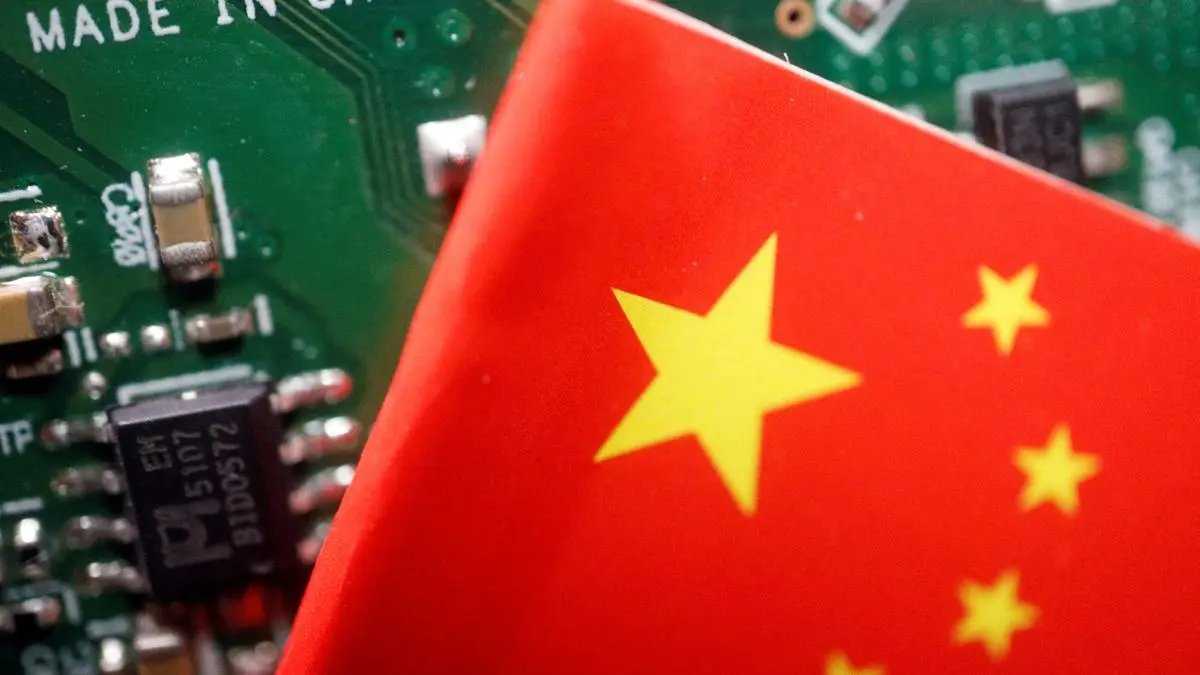
China has limited the export of rare earth magnets, which are crucial for many products.
This has caused problems for businesses worldwide, especially car manufacturers who have had to pause production.
While things are improving in Europe as licenses are being approved, the process is still slow, and U.S. companies are facing delays.
A recent agreement between the U.S. and China aims to speed up the flow of these important materials, helping to ease the supply problems.

China's rare earth magnet export restrictions have caused global supply chain disruptions.
European suppliers' license approvals are accelerating, but hundreds remain pending.
U.S. and third-country-based entities face longer approval times.
Automakers, like Ford, experienced production shutdowns due to magnet shortages.
A U.S.-China deal aims to expedite rare earth shipments.
- Who
- China, the United States, European suppliers, and automakers like Ford and Volkswagen.
- What
- China's rare earth magnet export restrictions are impacting global supply chains.
- When
- Restrictions were imposed in April, 2024, and the situation is still unfolding.
- Where
- Global impact, with specific effects in Europe and the United States.
- Why
- China restricted exports in retaliation for US tariffs, impacting global supply chains.
Supply Chain Problems
Governmental actions
Business Impact
Supply Chain Problems
Export restrictions are causing production stoppages and delays for manufacturers, especially in the automotive industry.
Governmental actions
Some view the restrictions as an opportunity to develop domestic production capabilities or adjust supply chains.
- Restriction Date
- April 2024
- Affected Material
- Rare earth magnets
- Main Importers
- European and U.S. companies
- Impact
- Production halts and delays
- Key Companies Affected
- Ford, Volkswagen, Stellantis
- Recent Developments
- US-China deal to expedite approvals