

2 days ago
Goa Government Halts Anti-Conversion Bill After Legislator Pushback
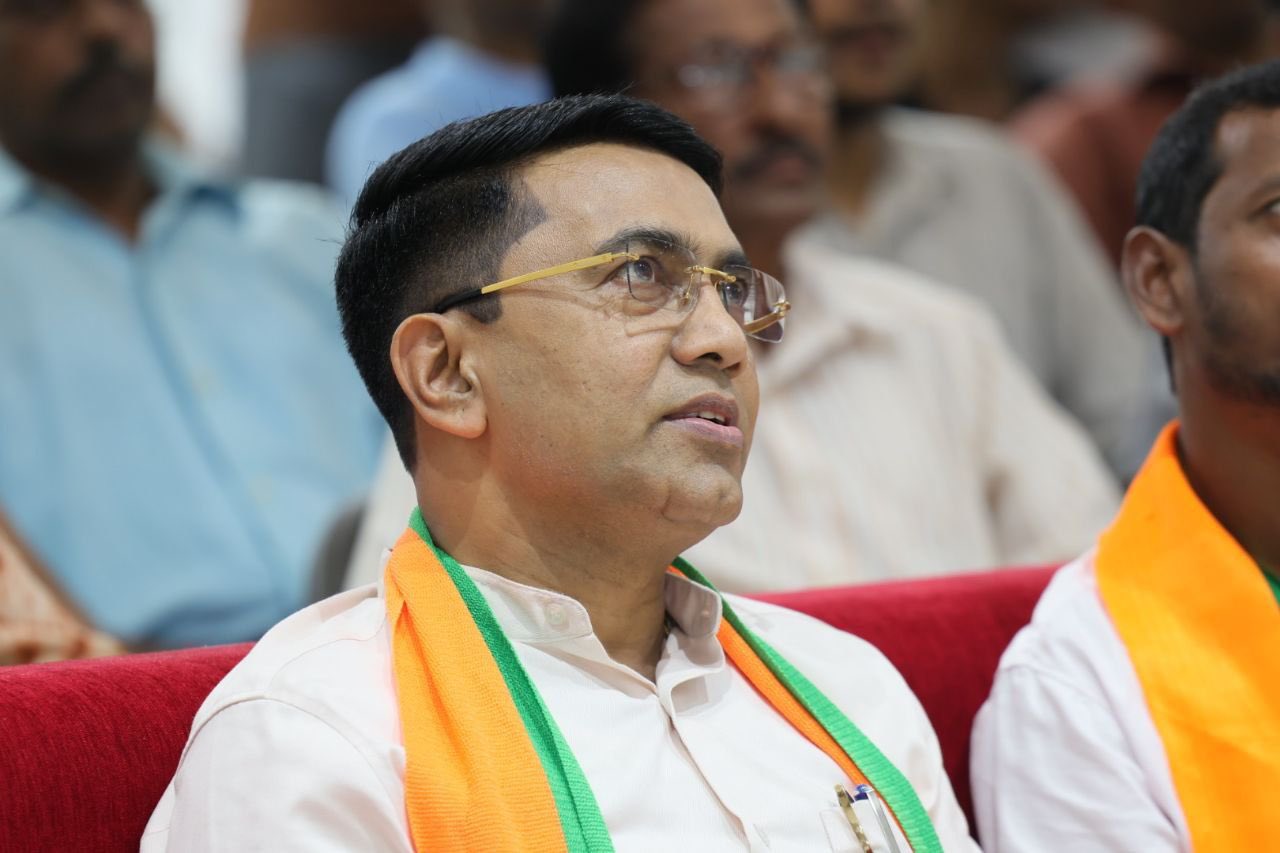
Goa’s government planned to introduce a new law about religious conversions.
The law would punish conversions carried out through force, pressure, fraud, gifts or marriage.
It proposed very strict punishments, including possible life imprisonment.
Before the assembly session began, the chief minister met several legislators.
Some of those legislators opposed introducing the bill immediately.
They said Goa had no clear evidence of forced conversions and that the bill might disturb religious harmony.
Opposition parties and Christian groups also criticized the proposal.
The government therefore decided not to bring the bill to the assembly during this session.

Goa decided not to introduce the Goa Prohibition of Unlawful Conversion of Religion Bill, 2026, during the ongoing three-day monsoon session.
Chief Minister Pramod Sawant conveyed the decision after meeting BJP MLAs Michael Lobo and Delilah Lobo and Independent MLA Aleixo Reginaldo Lourenco.
The proposed bill targeted conversions allegedly involving force, coercion, undue influence, allurement, fraudulent means or marriage.
It proposed penalties of up to life imprisonment, a minimum fine of Rs 50,000 and compensation of up to Rs 5 lakh for victims.
Opposition parties and Christian organisations questioned the bill’s necessity, citing communal-harmony concerns and existing criminal laws.
- Who
- The Goa government, Chief Minister Pramod Sawant, BJP MLAs Michael Lobo and Delilah Lobo, and Independent MLA Aleixo Reginaldo Lourenco.
- What
- The government decided not to table the Goa Prohibition of Unlawful Conversion of Religion Bill, 2026, during the current assembly session.
- Where
- The Goa Legislative Assembly in Panaji, Goa.
- When
- Monday, August 31, on the opening day of the three-day monsoon session.
- Why
- The decision followed opposition from legislators and wider criticism that the bill was unnecessary, could harm communal harmony and duplicated existing laws.
Bill Critics
Bill’s Stated Purpose
Need for separate legislation
Bill Critics
Aleixo Reginaldo Lourenco and BJP MLA Michael Lobo questioned the bill’s necessity and timing. Christian organisations said forced or fraudulent conversions were already punishable under existing criminal laws.
Bill’s Stated Purpose
The proposed legislation was intended to specifically prohibit unlawful conversions involving force, coercion, undue influence, allurement, fraudulent means or marriage.
Evidence of unlawful conversions
Bill Critics
Lourenco said there were no clear statistics showing forced conversions in Goa and said some registered cases had not been charge-sheeted, or had been quashed or closed.
Bill’s Stated Purpose
Government data presented in the assembly recorded four cases of illegal religious conversion or attempted conversion between 2021 and 2025.
Effect on society and rights
Bill Critics
Congress, the Aam Aadmi Party, civil-society groups and Catholic organisations warned that the bill could create communal disharmony, increase monitoring of private relationships and threaten religious freedom.
Bill’s Stated Purpose
The bill’s stated purpose was to protect vulnerable people from conversion through misrepresentation, force, coercion, undue influence, allurement or fraud; it also proposed enhanced punishment in cases involving minors, women, people with disabilities or mental illness, and members of Scheduled Castes and Scheduled Tribes.
Key facts
- Bill
- Goa Prohibition of Unlawful Conversion of Religion Bill, 2026
- Current status
- The bill will not be introduced during the ongoing monsoon session; the reports do not state that it has been permanently withdrawn.
- Proposed penalties
- Up to life imprisonment, a minimum fine of Rs 50,000 and compensation of up to Rs 5 lakh for victims.
- Targeted conduct
- Conversions allegedly carried out through force, coercion, undue influence, allurement, fraudulent means or marriage.
- Advance declaration
- People intending to change religion would have had to submit a declaration at least 60 days in advance to a district magistrate or additional district magistrate.
- Marriage provision
- A marriage could be declared void if it was solemnised solely for unlawful conversion.
- Recorded cases
- Government data cited four illegal-conversion cases or attempts between 2021 and 2025: two each in 2022 and 2023, and none in 2021, 2024 or 2025.
Quotes
Council for Social Justice and Peace and Catholic Association of Goa
Goan civil society and Catholic organisations opposing the proposed legislation
“The Bill will not be coming. We have to study (the bill) and take everyone into confidence. We need to know what the bill is all about. What is happening is wrong. Everyone’s religious beliefs are important, and there should be respect for all religions. Sooner or later, there needs to be a discussion on what’s good for Goa; things are moving in the wrong direction.”
 indianexpress.com
“The State must not use the prevention of coercion as a pretext for supervising personal belief, restricting interfaith relationships, or criminalising legitimate prayer, religious teaching, pastoral care and charitable service… Goa must not import divisive legislation merely because similar laws have been enacted in BJP-governed states.”
indianexpress.com
Sources

Related news
Goa Anti-Conversion Bill Stalls After Legislators Raise Objections

Goa Anti-Conversion Bill Draws Opposition Over Communal Disharmony
Goa Assembly Session To Consider Proposed Anti-Conversion Bill

Goa Cabinet Approves Anti-Conversion Bill With Life Imprisonment Penalty

British Indian Church Leader Faces India Anti-Conversion Law Dispute
Bengal to Get Anti-Conversion Law, Land Sale Restrictions

Congress Questions Haryana’s Falling Sex Ratio Despite Beti Bachao

Rahul Gandhi’s Indore Student Outreach Postponed Amid Venue Dispute
Balurghat Airport Set to Begin Operations Within One Year
Ayodhya Temple Trust Overhaul Draws BJP Appointment Criticism

Indian Express Evening Briefing: Elections, Courts, Climate and More
