

Archive · 19 Aug 2025
Global Plastics Treaty Talks Fail Due to Deep Disagreements
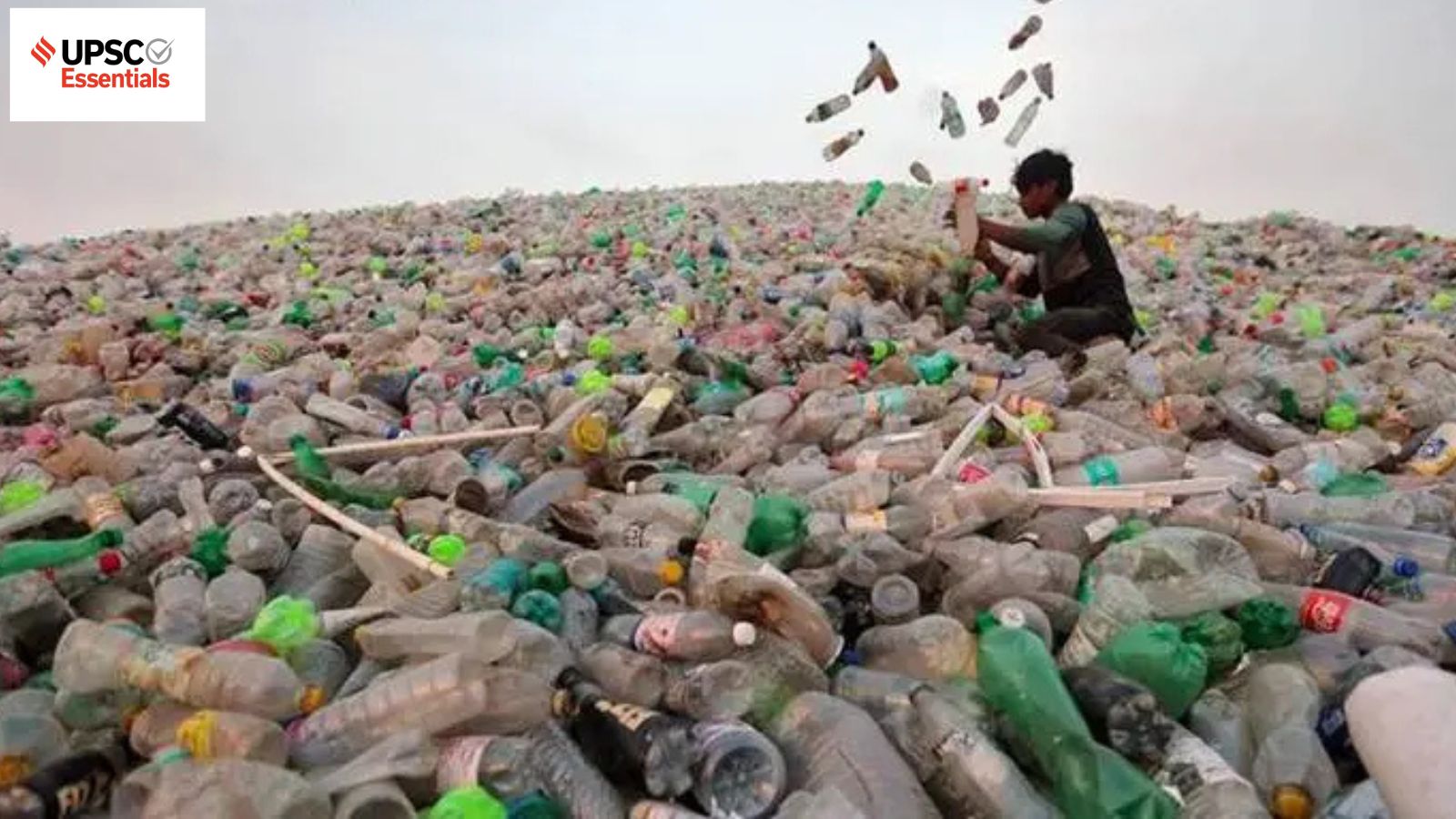
Imagine countries trying to agree on a plan to stop plastic from polluting the world.
They met to make a rulebook, but they couldn't agree.
Some countries wanted strict rules to reduce plastic use, while others, especially those making plastic, wanted fewer rules.
They argued about what the rules should cover and if they should be strict.
India also had issues with the rules about phasing out certain plastic items.
Because they couldn't agree, they didn't make any new rules to help stop plastic pollution.

Global Plastics Treaty negotiations failed due to disagreements on scope, ambition, and legally binding measures.
The Intergovernmental Negotiating Committee (INC) was in charge of the negotiations for a legally enforceable treaty.
Unresolved conflicts included the treaty's scope, plastic definitions, and life-cycle clauses, including production reduction.
Two main groups of countries held opposing viewpoints: the 'high-ambition coalition' and the 'like-minded countries'.
India opposed the inclusion of any global list to phase out plastic products in the treaty text.
- Who
- Countries involved in the Global Plastics Treaty negotiations.
- What
- Global Plastics Treaty negotiations failed.
- When
- Negotiations failed after ten days of talks.
- Where
- Negotiations took place in Geneva.
- Why
- Disagreements over scope, ambition, and legally binding measures.
High-Ambition Coalition
Like-Minded Countries
Production Reduction
High-Ambition Coalition
Support legally binding steps to reduce plastic production.
Like-Minded Countries
Want to prioritize trade measures over environmental ones.
Health Risks
High-Ambition Coalition
Support limiting hazardous chemicals in plastic items.
Like-Minded Countries
Believe plastic is required for development and oppose cuts in basic polymer output.
- Negotiating Body
- Intergovernmental Negotiating Committee (INC)
- Goal
- To create a legally enforceable treaty on plastic pollution
- Key Disagreement
- Scope, ambition, and legally binding measures
- High-Ambition Coalition
- Norway, Panama, EU, UK
- Like-Minded Countries
- Kuwait, Saudi Arabia, Iran, Russia, China, India
- India's Stance
- Opposes product phase-out lists and restrictions on primary polymer manufacturing.