

Archive · 23 Dec 2025
2025 Declared Year of Blooming Octopus in England
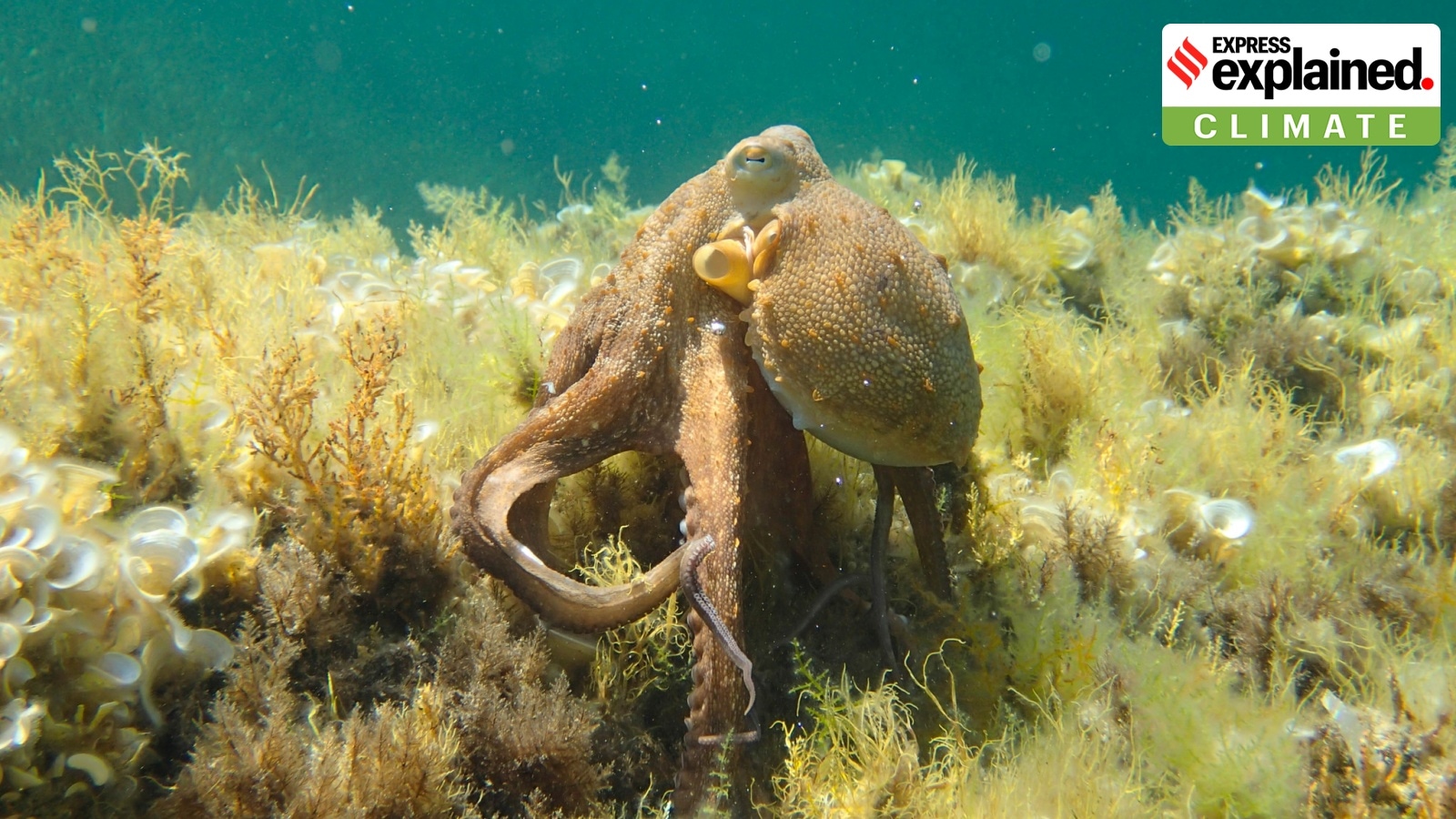
In 2025, England saw a huge increase in octopus numbers, especially along the south coast.
This is because the winter was mild and the spring was very warm, which helped octopus eggs hatch faster.
Octopuses are very smart and can solve problems and change their color to hide.
More octopuses mean more food for fishermen, but it also means fewer crabs, scallops, and lobsters, which could hurt the fishing industry.
Warmer waters help octopuses now, but if the oceans get too hot, octopuses might lose their eyesight and have trouble surviving.

2025 declared 'year of the blooming octopus' in England due to unprecedented increase in octopus population.
Octopus catch in UK waters reached approximately 233,000 in 2025, a significant rise from usual numbers.
Warm sea temperatures in early 2025, 2-4°C above average, contributed to higher hatch rates of octopus eggs.
Increased octopus population may impact marine ecosystems and fishing industry due to their voracious appetite.
Future ocean warming could lead to heat stress and potential loss of eyesight in octopuses by 2100.
- Who
- Wildlife Trusts, marine conservation officers, scientists, fishermen
- What
- Unprecedented increase in octopus population in England
- When
- Year 2025
- Where
- England, particularly the south coast from Penzance in Cornwall to south Devon
- Why
- Mild winter and exceptionally warm spring in 2025, leading to higher hatch rates due to warmer waters
- Year Declared
- 2025
- Location
- England, particularly south coast from Penzance to Devon
- Octopus Catch
- 233,000 in UK waters in 2025
- Global Catch Increase
- From 179,042 tonnes in 1980 to 355,239 tonnes in 2014
- Temperature Increase
- 2-4°C above average in March 2025
- Global Warming Impact
- 0.9°C increase in average global mean sea surface temperature from 1850-1900 to 2011-2020
- Octopus Diet
- Three times their weight in prey daily
- Future Temperature Impact
- Potential loss of eyesight by 2100 due to heat stress