Archive · 30 Nov 2025
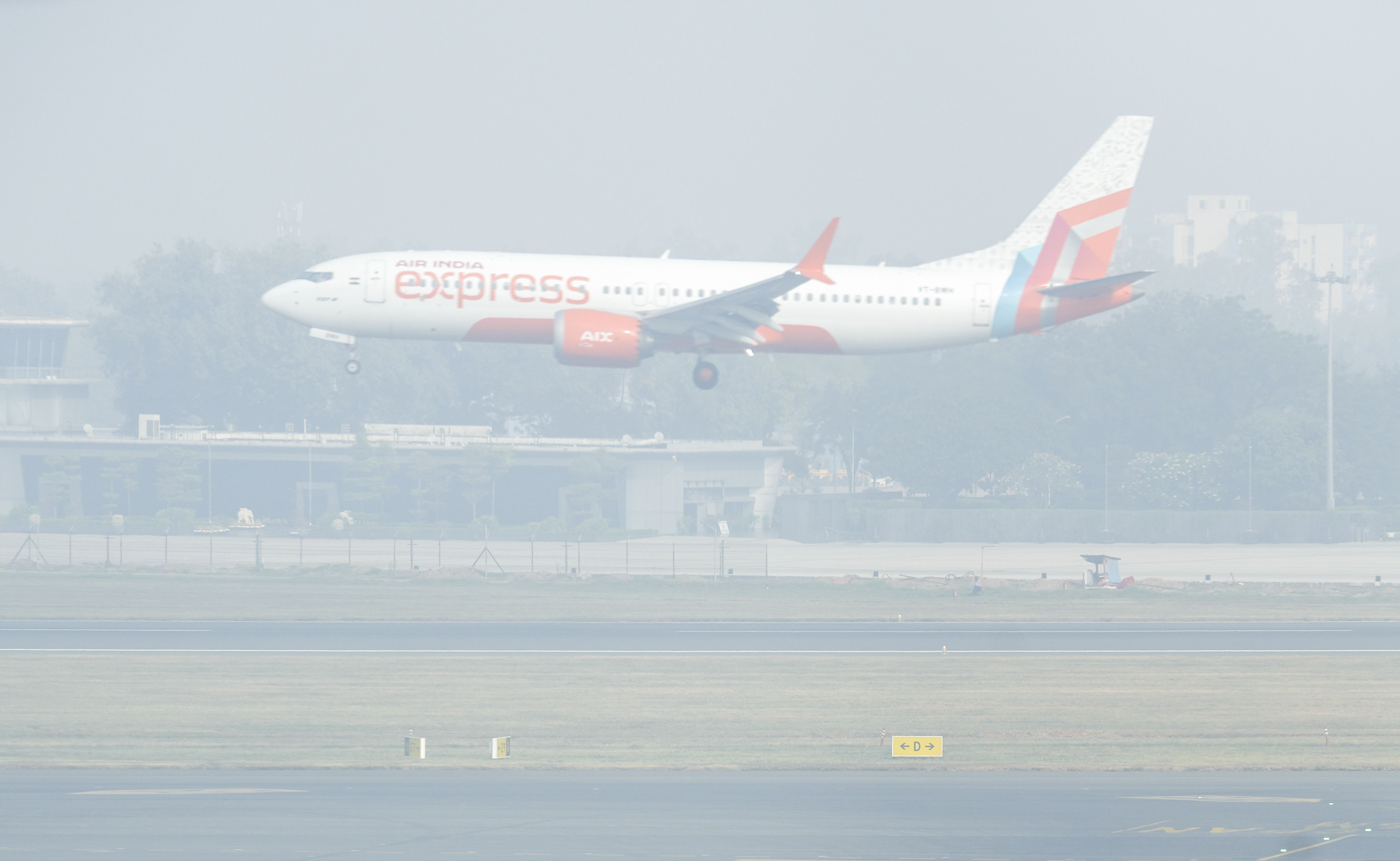
Delhi's Severe Air Pollution Persists

New Delhi and other Indian cities are experiencing very high levels of air pollution, with AQI often above 300, which is considered hazardous.
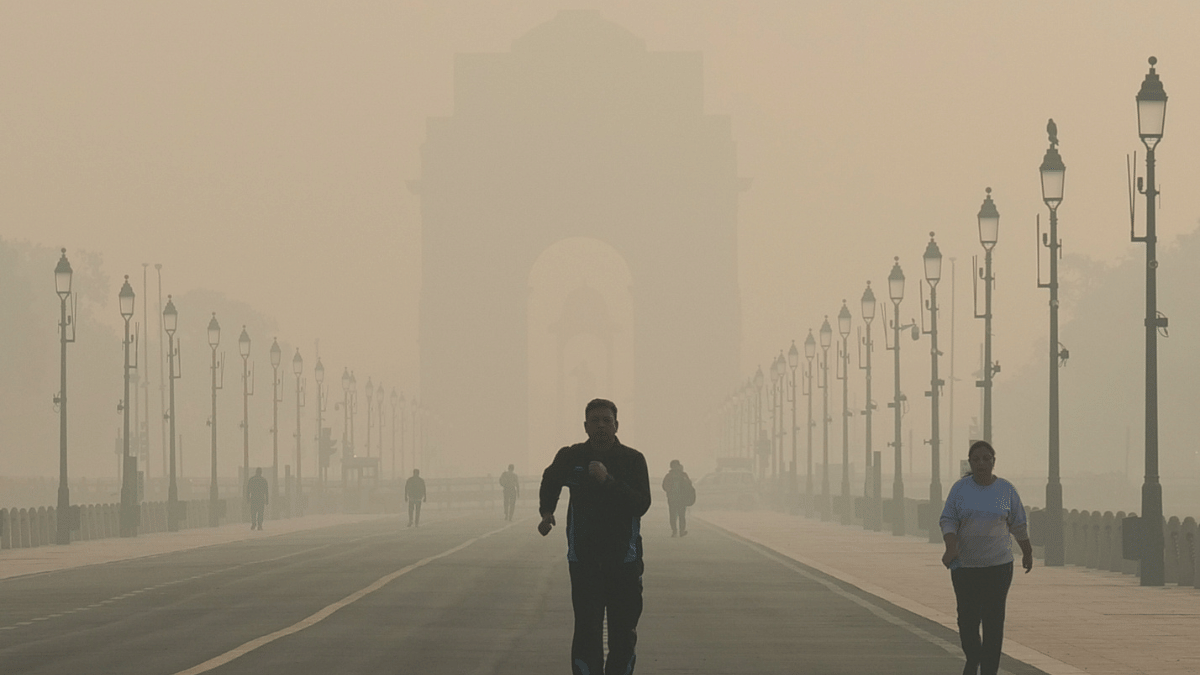
Doctors and fitness experts warn that exercising outdoors during such times can be harmful because you breathe in more polluted air, which can cause health problems like cough, chest tightness, and even serious conditions like heart disease and lung cancer.
They advise avoiding outdoor exercise when AQI is above 200 and suggest working out indoors, using air purifiers, and wearing N95 masks if you must go outside.
The best time to exercise outdoors is between 11am and 12noon when pollution levels are lower.
Experts also call for government regulations to control pollution and improve public health.
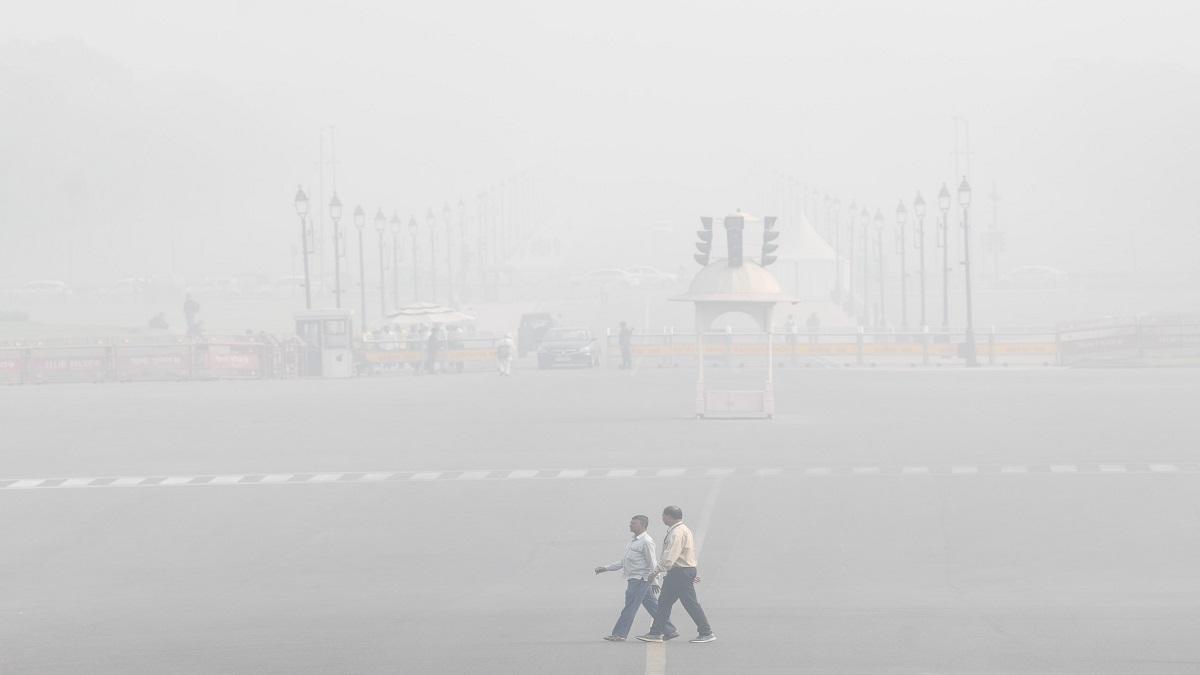
Despite slight improvements, Delhi's air quality remains in the 'very poor' category, with residents experiencing breathing difficulties and eye irritation.
The government is monitoring the situation and taking steps to curb pollution, but there is a demand for more urgent action and accountability.

New Delhi's AQI breached 700, setting a new record for pollution this year, with other Indian cities also reporting poor air quality.
Exercising outdoors when AQI is above 200 is medically unsafe as it increases exposure to pollutants and strains the respiratory system.
Short-term exposure to high pollution can cause cough, chest tightness, and fatigue, while long-term exposure increases the risk of heart disease, stroke, and lung cancer.
Experts recommend shifting workouts indoors, using air purifiers, and exercising in open areas with trees during low pollution times.
Government regulations are needed to control pollution and improve public health and productivity.
- Who
- Residents of Indian cities, especially New Delhi, and fitness enthusiasts
- What
- Risks of exercising outdoors during high AQI and recommendations to mitigate them
- When
- During periods of high air pollution, especially in winter
- Where
- Indian cities with high AQI, particularly New Delhi
- Why
- To understand the health impacts of exercising in polluted air and how to stay safe
- AQI Levels
- Above 100: Poor, Above 150: Unhealthy, Above 300: Hazardous, Above 400: Severely Hazardous
- Health Risks
- Cough, Chest Tightness, Throat Irritation, Headache, Sneezing, Breathing Difficulty, Fatigue, Heart Disease, Stroke, Lung Cancer
- Expert Advice
- Avoid outdoor exercise when AQI > 200, Use N95 masks, Exercise indoors, Choose open areas with trees, Workout between 11am-12noon
- Government Action
- Need for regulatory bodies to control pollution
- Long-term Effects
- Chronic Obstructive Pulmonary Disease, Asthma, Increased Mortality Risk
- AQI in Delhi
- 341 (Very Poor)
- Predominant Pollutant
- PM 2.5
- Impact of Volcanic Ash
- Potential impact on Himalayas, Tarai region, and parts of China
Sources
Should you step out to exercise when your city’s AQI is bad? Here's what you should know

Delhi enveloped in toxic smog as air continues to be 'very poor' at 341 AQI despite slight improvement
No major city achieved safe AQI in last decade
‘Delhi winters’ is a legend. Now it’s just air anxiety

Air pollution in Delhi like ‘slow poison’, govt must take strong steps: Congress

Delhi-NCR struggles with pollution as AQI slips into ‘poor’ category