

Archive · 31 Oct 2025
Bihar's Liquor Ban: Data, Socio-Economic Impact, and Election Concerns
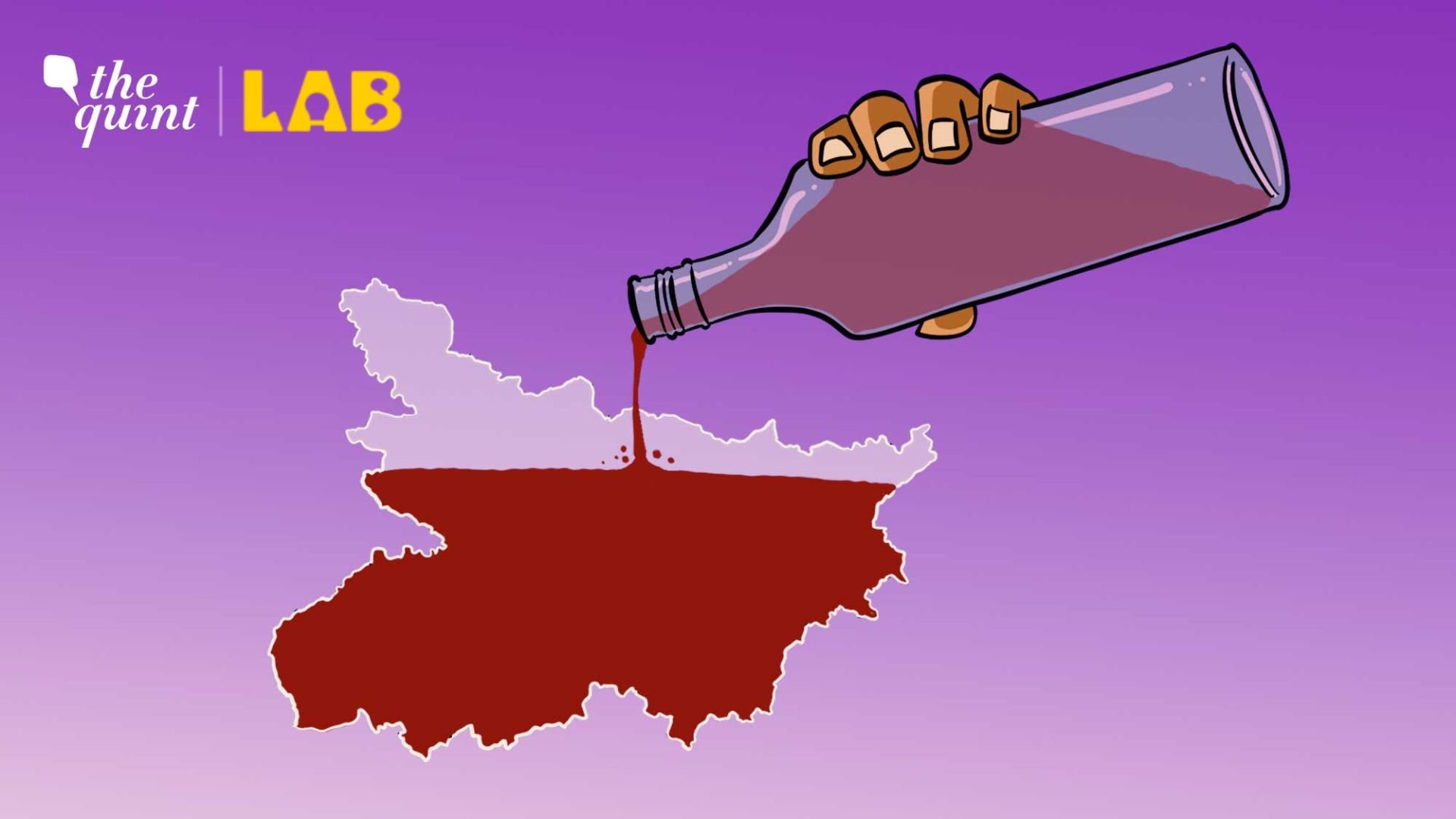
Bihar in India banned alcohol to make people safer and reduce problems like domestic violence.
However, it's become very difficult to actually stop people from getting alcohol.
Smugglers bring it in from nearby places that don't have a ban, making it expensive and hard for poor people to get.
This means the money that used to go to the government now goes to illegal sellers.
Many poor people have been arrested for breaking the rules, and sadly, some have even died from drinking bad, illegal alcohol.
Even though the government has seized a lot of alcohol and arrested many people, some people think the ban has caused more problems, like corruption and pushing people towards other drugs.
The courts are also very busy with cases about the ban.

Despite Bihar's liquor ban, alcohol remains accessible through an illicit trade, with revenue shifting from the government to a parallel economy.
Porous borders with neighboring states and Nepal facilitate large-scale alcohol smuggling into Bihar.
The ban has led to a decrease in domestic violence and road accidents, primarily impacting economically weaker sections.
A significant number of people, disproportionately from marginalized communities, have been arrested under the strict prohibition laws.
Concerns exist regarding corruption among officials, the burden on the judiciary, and an alarming rise in the addiction to other drugs like cannabis and heroin.
- Who
- Dr. B. N. Prasad (sociologist), Bihar government officials, Patna High Court, former CJI N.V. Ramana, marginalized communities.
- What
- Enforcement and consequences of Bihar's liquor ban, including widespread illicit trade, corruption, hooch tragedies, disproportionate impact on the poor, and a rise in other drug addictions.
- When
- Since prohibition was imposed in Bihar; notable mentions include April 2025 (deaths data), March 31, 2025 (case data), May 2018 (arrest demographics), July 2018 (amendments), and 2021 (CJI statement).
- Where
- Bihar, India, with porous borders shared with Nepal, Uttar Pradesh, Jharkhand, and West Bengal.
- Why
- To curb alcohol consumption and its associated social ills. However, the ban has led to a significant illegal alcohol trade, corruption, and has disproportionately affected the poor, while increasing the burden on the judiciary and leading to a rise in other drug abuse.
Arguments for Prohibition's Positive Impact
Arguments Against Prohibition's Negative Impact
Domestic Violence and Accidents
Arguments for Prohibition's Positive Impact
Domestic violence and road accidents have fallen, particularly among the economically weaker classes who were more affected when alcohol was legal.
Arguments Against Prohibition's Negative Impact
While these issues may have fallen for the poor, the rich who could afford smuggled alcohol were not significantly affected by these problems previously, and their household budgets were not impacted.
Economic Impact
Arguments for Prohibition's Positive Impact
The ban redirects money from alcohol consumption towards other household needs, benefiting the poor.
Arguments Against Prohibition's Negative Impact
The ban has fueled an illicit economy, with revenue going to criminals and corrupt officials instead of the government exchequer. It also makes alcohol expensive and inaccessible for the poor who still seek it.
Enforcement and Justice
Arguments for Prohibition's Positive Impact
The Department of Prohibition, Excise and Registration has seized millions of litres of liquor and registered hundreds of thousands of cases, leading to over a million arrests.
Arguments Against Prohibition's Negative Impact
Enforcement has been characterized by corruption, with officials colluding with bootleggers. The law's harshness disproportionately affects the marginalized, leading to overcrowded prisons and a significant burden on courts, with hundreds of thousands of pending cases.
- Liquor Seized
- 30.86 million bulk litres
- Prohibition Cases Registered
- Over 900,000 (as of March 31, 2025)
- Arrests Made
- Over 1.4 million
- Deaths from Illicit Liquor
- 190 (since prohibition imposition)
- Underlying Issues
- Corruption, illicit trade, burden on courts, impact on marginalized communities