

Archive · 19 May 2025
India's Water Standards: An Arbitrary Metric
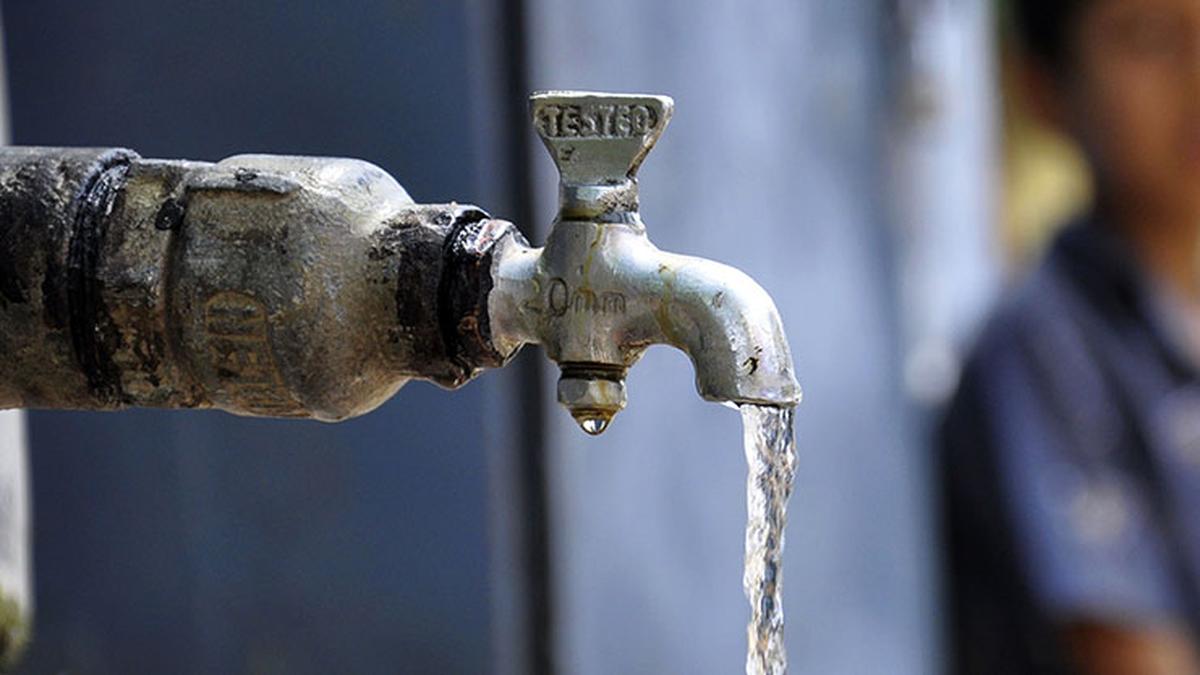
In India, how much water people should get is decided by a made-up number, not actual needs.
This number, called the per capita standard, is used to plan how much water cities need, even though it's not based on real studies.
It's like saying everyone needs the same amount of water, regardless of where they live or how much they actually use.
This number helps decide how to build water systems, but it's not always followed in practice.
Because water isn't measured properly, it's hard to know if people are getting the amount they're supposed to.
Experts want to make sure water planning uses real data, so everyone gets the water they need.

India uses a per capita water standard (lpcd) to determine water needs, which influences infrastructure planning.
These standards lack empirical grounding and objective rationale, based more on convenience than evidence.
Various agencies prescribe the standards, despite varying water demand based on factors like climate.
The per capita standard affects the cost of schemes and influences how much funding cities receive.
Water delivery isn't monitored to ensure citizens receive water according to design standards.
- Who
- Municipal authorities, the Bureau of Indian Standards, the Central Public Health and Environmental Engineering Organization (CPHEEO).
- What
- India uses a per capita standard (lpcd) to determine water needs, which influences infrastructure planning.
- When
- Not explicitly stated, but the article discusses current practices and historical context.
- Where
- India
- Why
- To plan urban water infrastructure and allocate resources, although these standards are not monitored.
- Per capita water supply standard
- Litres per capita per day (lpcd)
- Standard use
- Determines water demand of a city
- Mumbai's per capita standard (for Gargai Dam)
- 150 lpcd
- Rural drinking water supply schemes
- 55 lpcd
- Agencies prescribing standards
- Bureau of Indian Standards and CPHEEO