

21 hrs ago
How Phone Cameras Turn Everyday Life Into Public Evidence
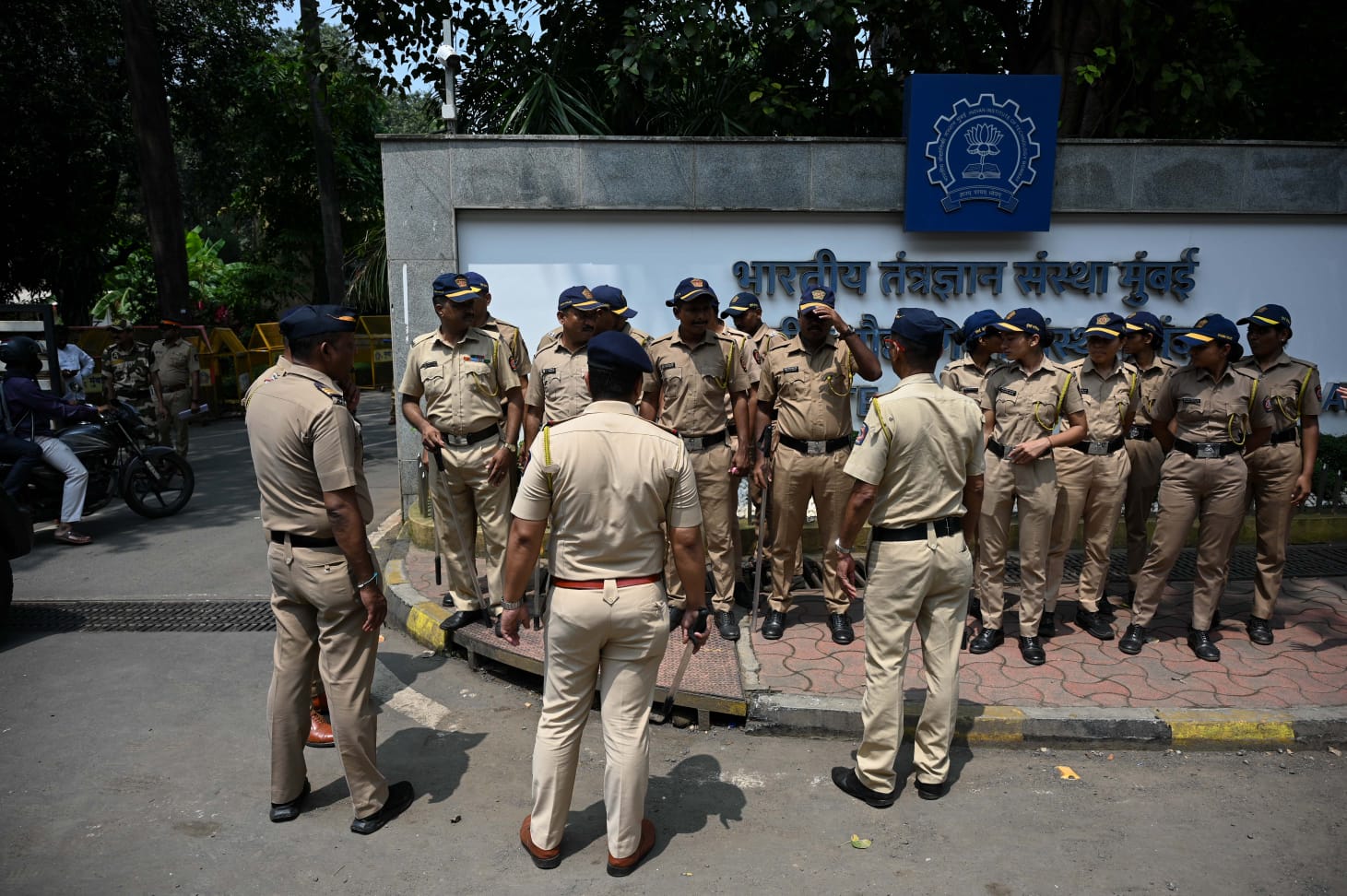
People now carry cameras almost everywhere in their phones.
At IIT-Delhi, students recorded someone they believed was secretly recording them.
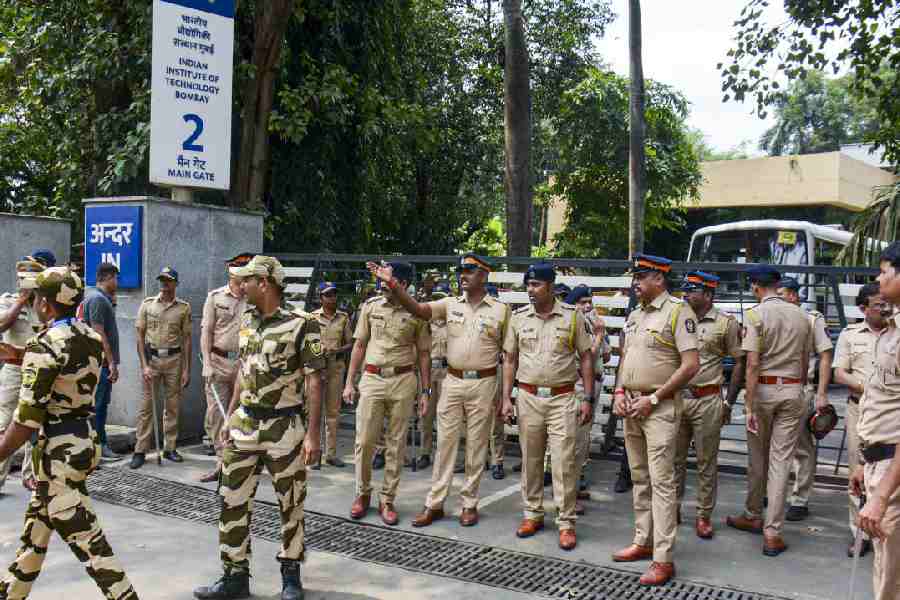
At IIT-Bombay, cameras helped show what happened during an exam and afterward.
The article says cameras can provide evidence, but they cannot easily show when someone is suffering inside.
Recording can protect people by preserving their version of events.
However, it can also make people feel watched all the time.
The writer compares today’s digital gaze with older forms of community watching that could eventually be forgotten.
The main message is that everyone may have proof, but people may be less present in their own lives.

Students at IIT-Delhi filmed a suspected plainclothes observer who was recording protesters after a student’s death.
At IIT-Bombay, a student was caught allegedly using a chatbot during an exam and later died by suicide, according to the article.
Authorities used the student’s phone and hostel-camera footage to reconstruct his movements and actions.
The article argues that cameras are highly effective at documenting rule-breaking but poor at detecting emotional distress.
Phone cameras now serve both as protection against official narratives and as tools of persistent surveillance, public shame, and self-consciousness.
- Who
- Students, authorities, and other people using phone or security cameras; the article also discusses a student at IIT-Bombay and protesters at IIT-Delhi.
- What
- The article examines how cameras have changed from occasional memory-making tools into instruments of surveillance, evidence, defense, and public scrutiny.
- Where
- At IIT-Delhi and IIT-Bombay, as well as in everyday settings such as homes, meals, public spaces, and protests.
- When
- The IIT-Delhi incident occurred last month, while the IIT-Bombay incident occurred this week, according to the article.
- Why
- Because phone cameras and stored video increasingly shape how people document events, defend themselves, monitor others, and anticipate public judgment.
Cameras as Protection
Cameras as Surveillance
Recording authority
Cameras as Protection
Filming officials or suspected observers can preserve an alternative account and prevent authority from controlling the only version of events.
Cameras as Surveillance
Recording can turn protests and ordinary interactions into permanent files whose viewers and uses are unclear.
Evidence versus care
Cameras as Protection
Phone and security cameras can document what happened and help reconstruct disputed events.
Cameras as Surveillance
The article argues that cameras are good at proving visible misconduct but cannot reliably identify or respond to hidden emotional distress.
Memory and presence
Cameras as Protection
Images and videos can preserve events that people might otherwise remember inaccurately or dispute.
Cameras as Surveillance
Constant recording can make people perform for an imagined audience, miss experiences directly, and expose others’ worst moments to lasting public scrutiny.
Key facts
- IIT-Delhi incident
- Students filmed a man they believed might be a plainclothes police officer recording protesters.
- IIT-Bombay incident
- A student was caught mid-exam allegedly borrowing an answer from a chatbot and later died by suicide.
- Campus losses
- The article describes the IIT-Bombay death as the fourth such loss on that campus in a single year.
- Evidence used
- The student’s phone and hostel security-camera footage were reviewed after the incident.
- Central criticism
- The writer says surveillance can detect small dishonesties but offers little ability to detect underlying distress.
- Protective use
- Recording can challenge an authority’s version of events, as students’ recordings did at IIT-Delhi.
- Broader effect
- The writer argues that ordinary life increasingly behaves as though it may later be used as evidence.
Quotes
The essay’s narrator
The narrator describing the defensive response of people being watched
“I saw you seeing me”
 indianexpress.com
Sources
Related news
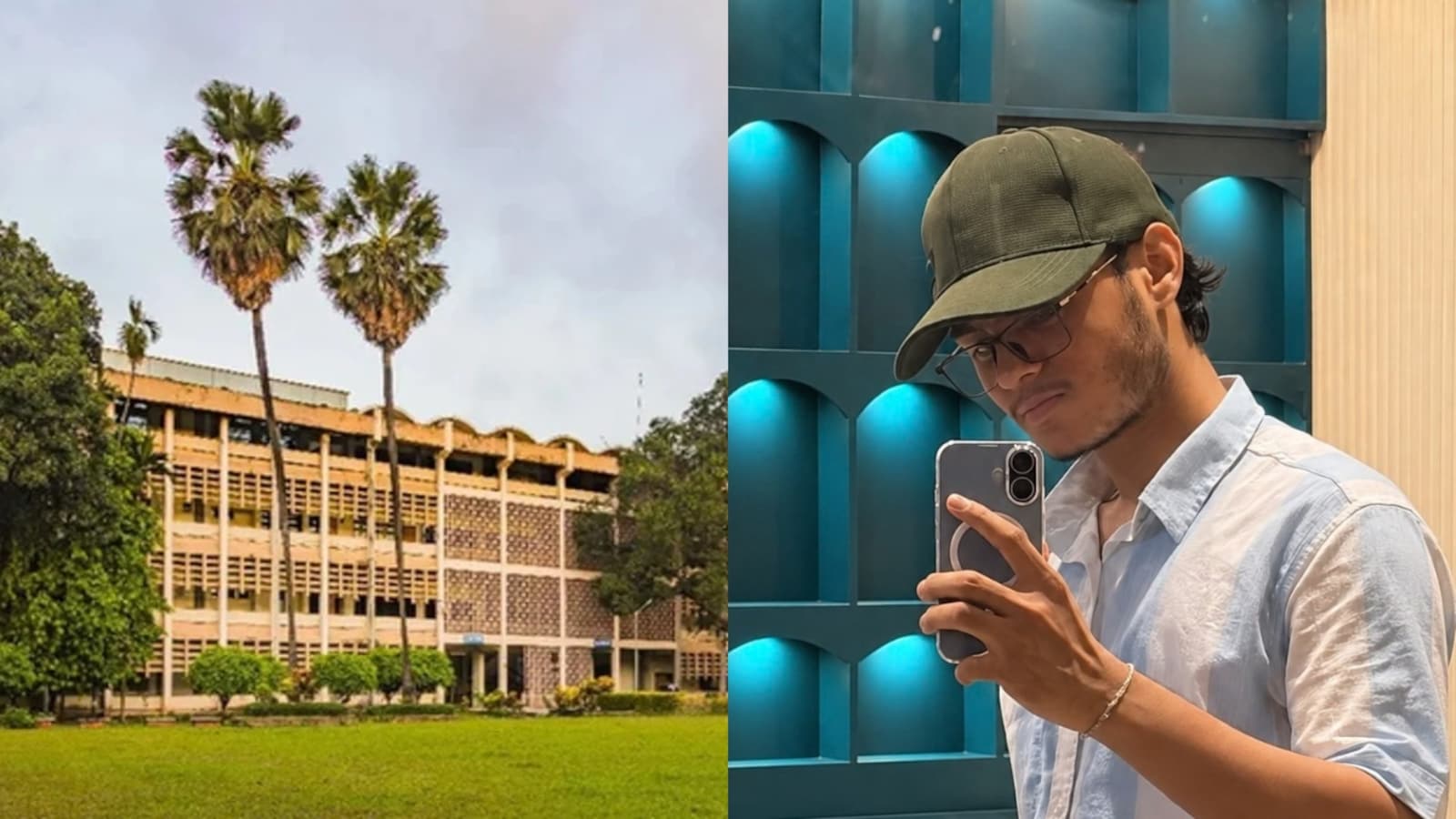
CCTV Footage Guides Probe Into IIT Bombay Student Death
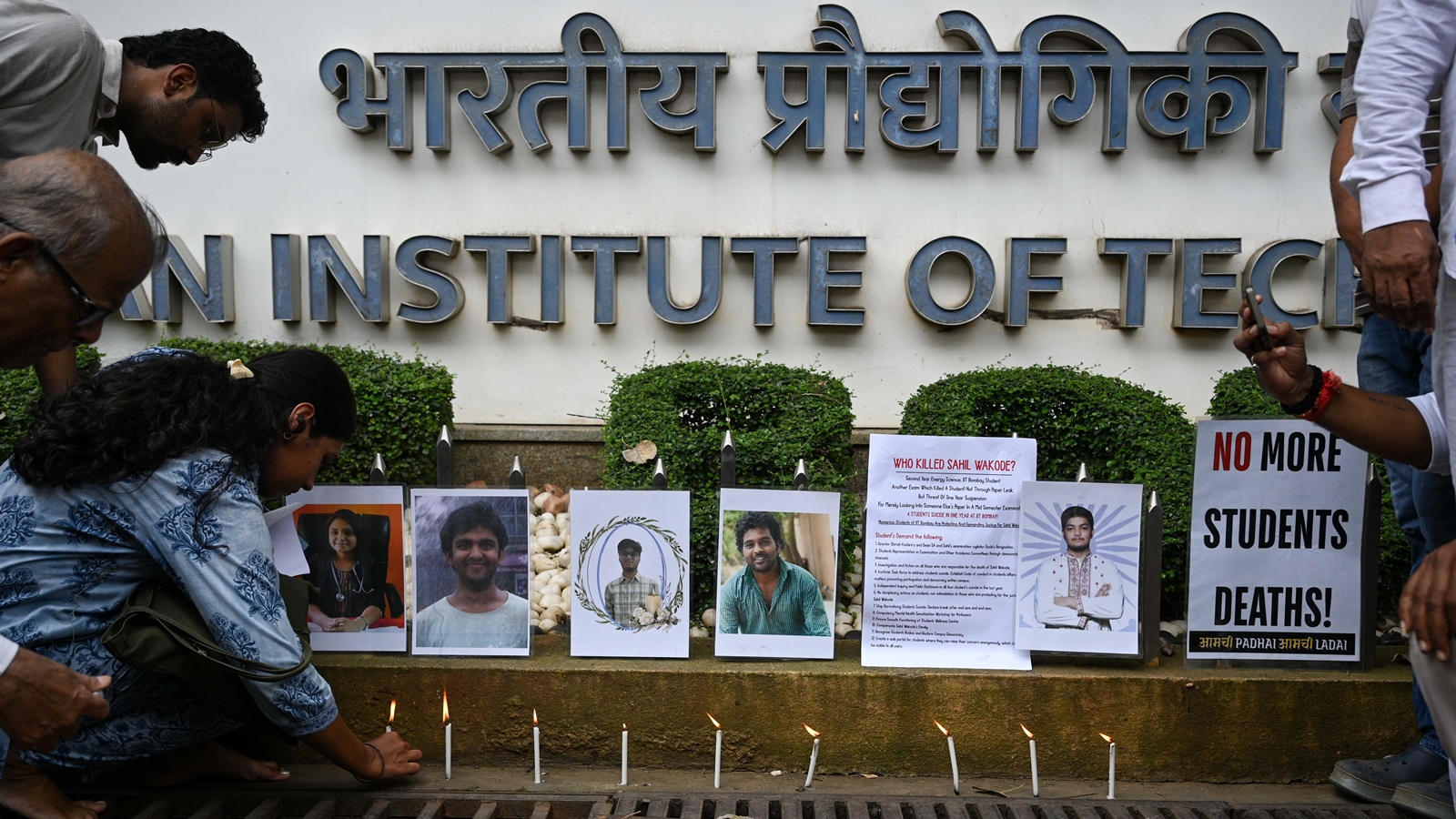
CCTV Footage Guides Probe Into IIT-Bombay Student’s Suicide
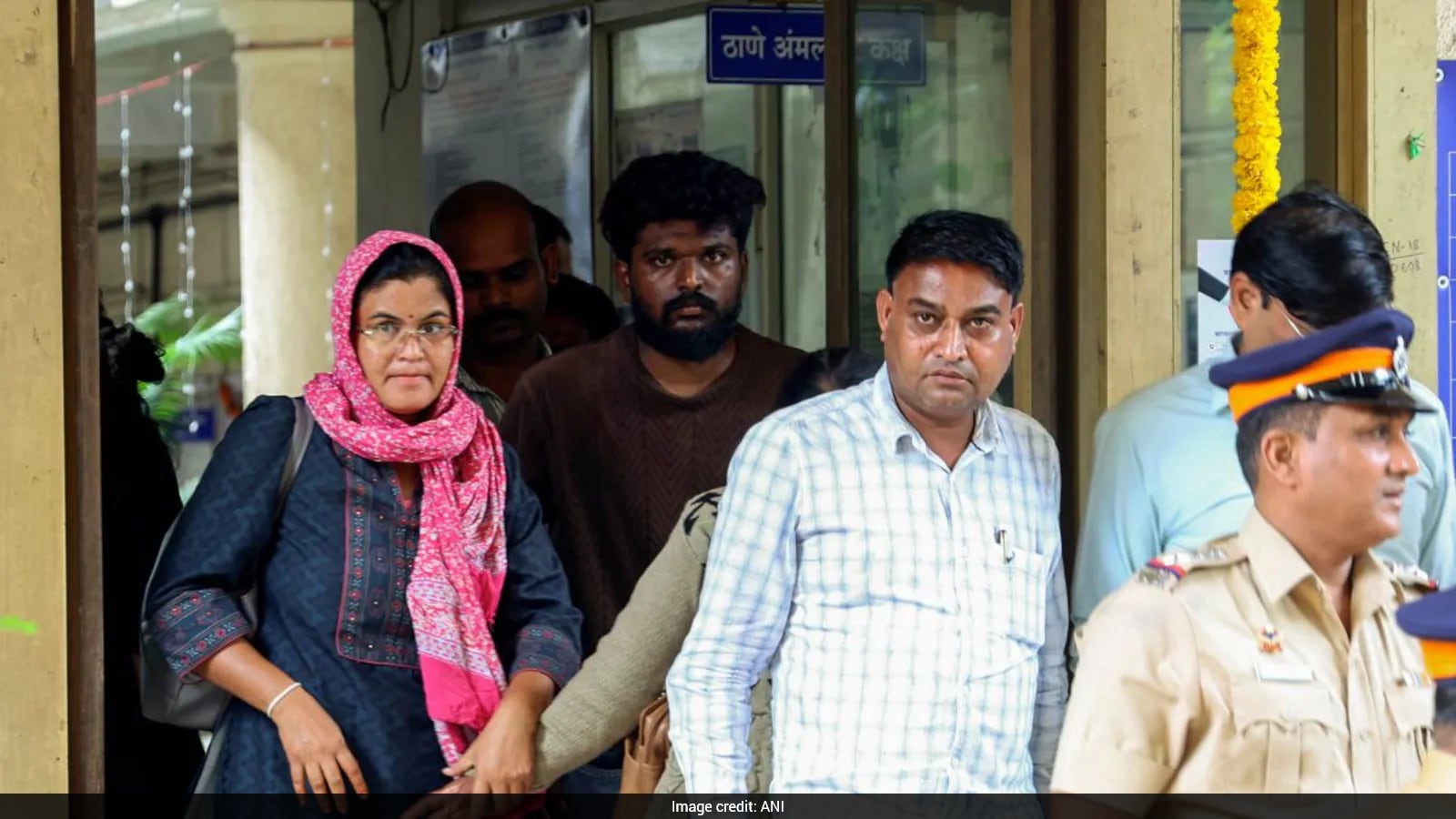
IIT Bombay Student Death After ChatGPT Exam Sparks Protests
IIT Bombay Student Death After Exam Phone Incident Sparks Protests

IIT Bombay Student Dies After ChatGPT Exam Incident; FIR Filed
IIT Bombay Professor’s Statement Expected in Student Suicide Inquiry
IITs Report 53 Student Deaths, Including 45 Suicides
Indian Engineering Colleges Feature Prominently Among Unicorn Founders
IIT Bombay Protests Grow as Faculty Defends Professor Doolla