

Archive · 24 Dec 2025
Doctor Explains Hangxiety and Shares Management Tips
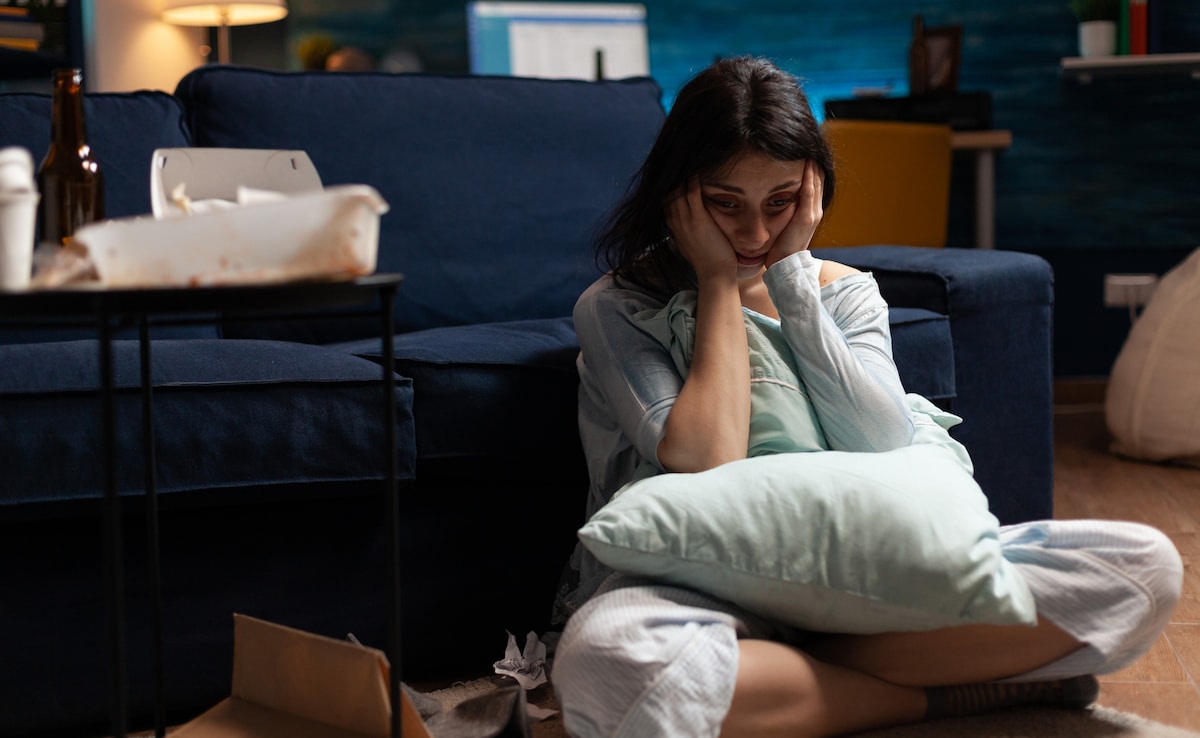
Hangxiety is when you feel anxious, restless, or have trouble sleeping after drinking alcohol.
It happens because alcohol messes with the chemicals in your brain, makes you dehydrated, and disrupts your sleep.
Some people are more at risk, like those with anxiety or depression.
To feel better, you can drink less, stay hydrated, eat well, exercise, and get enough sleep.
If it's really bad, you should see a doctor.

Hangxiety is a mix of anxiety, restlessness, and poor sleep after drinking alcohol.
Alcohol affects brain chemistry by boosting GABA and suppressing glutamate, leading to a rebound effect that causes anxiety.
Dehydration and sleep disruption from alcohol worsen hangxiety symptoms.
Risk factors include genetics, mental health, medications, and lifestyle.
Management tips include limiting alcohol, staying hydrated, eating balanced meals, exercising, and prioritizing sleep.
- Who
- People who consume alcohol, especially during festive seasons
- What
- Hangxiety, a mix of anxiety, restlessness, and poor sleep after alcohol consumption
- When
- After drinking alcohol, particularly during festive seasons
- Where
- Anywhere alcohol is consumed
- Why
- Due to changes in brain chemistry, dehydration, and disrupted sleep patterns
- Cause
- Alcohol's impact on neurotransmitters, dehydration, and sleep disruption
- Symptoms
- Anxiety, restlessness, poor sleep, rapid heartbeat, trembling, excessive sweating, intrusive thoughts
- Risk Factors
- Genetics, mental health, medications, lifestyle
- Management Tips
- Limit alcohol, hydrate, eat balanced meals, exercise, relaxation techniques, prioritize sleep
- When to Seek Help
- Severe, persistent symptoms or alarming signs like vomiting blood, chest pain, or fainting