

Archive · 1 Jun 2025
Understanding Preeclampsia: Symptoms, Risks, and Treatment
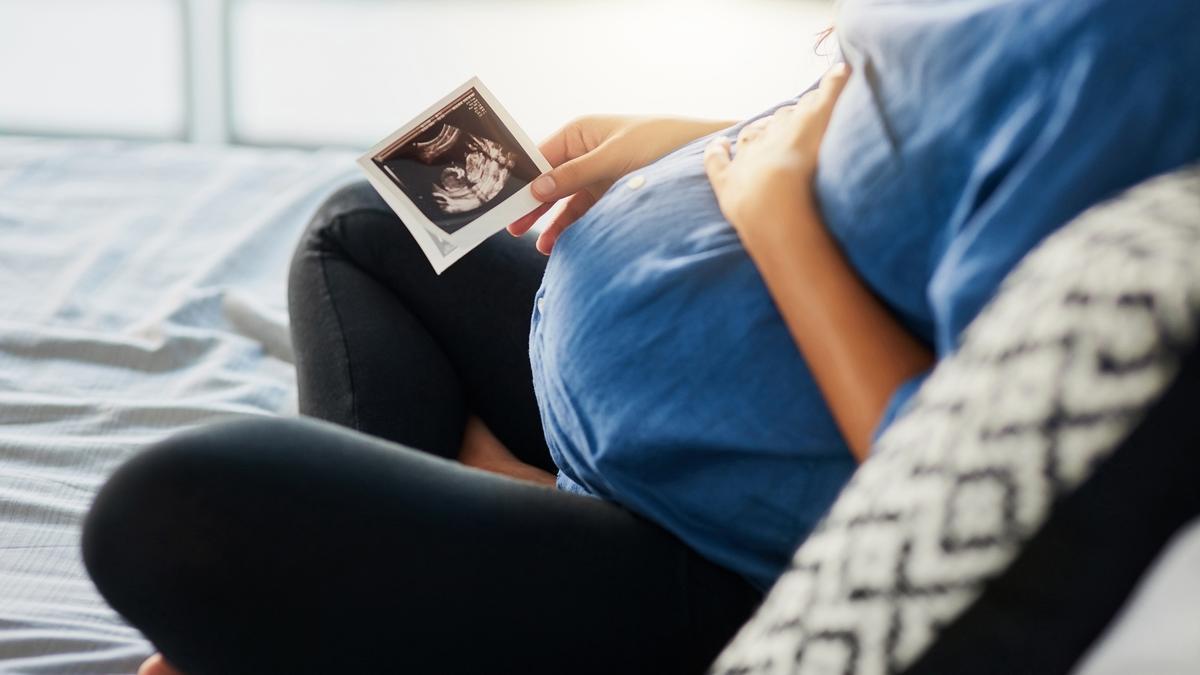
Preeclampsia is like a problem that can happen when a woman is pregnant.
It usually happens after 20 weeks.
It means the mom's blood pressure gets too high, and sometimes there's protein in her urine.
Doctors don't know exactly why it happens, but it might be related to the way the baby gets food from the mom.
It can be serious if not treated.
Some women get it after the baby is born, too.
If a woman has diabetes or high blood pressure already, she's more likely to get it.
Doctors will check the mom's blood pressure and urine to see if she has preeclampsia.
The doctors will keep a close eye on the mother and baby until the baby can be safely delivered.

Preeclampsia is a serious condition that can occur during or after pregnancy, often with high blood pressure.
The exact cause of preeclampsia is unknown, but it may be related to issues with blood supply to the placenta.
Risk factors include multiple pregnancies, pre-existing conditions, and family history.
Symptoms can include high blood pressure, protein in urine, severe headaches, and vision changes.
Treatment involves managing the condition, close monitoring, and may involve medications like antihypertensives.
- Who
- Affects pregnant women; those with pre-existing conditions or prior history are at higher risk.
- What
- A serious pregnancy complication marked by high blood pressure and potential organ damage.
- When
- Develops during pregnancy, usually after 20 weeks; or postpartum.
- Where
- Worldwide; more prevalent in Asia and Africa.
- Why
- Cause is unknown but may be related to blood supply issues to the placenta.
- What is Preeclampsia?
- Pregnancy complication, usually after 20 weeks
- Common Symptoms
- High blood pressure, protein in urine
- Pregnancy Prevalence
- 2-8% of pregnancies worldwide
- Maternal Deaths
- 46,000 maternal deaths/year
- Risk Factors
- Family history, obesity, multiple pregnancies
- After Birth
- Postpartum preeclampsia possible