

Archive · 9 Jan 2026
Sambhar Lake's Decline and Conservation Challenges
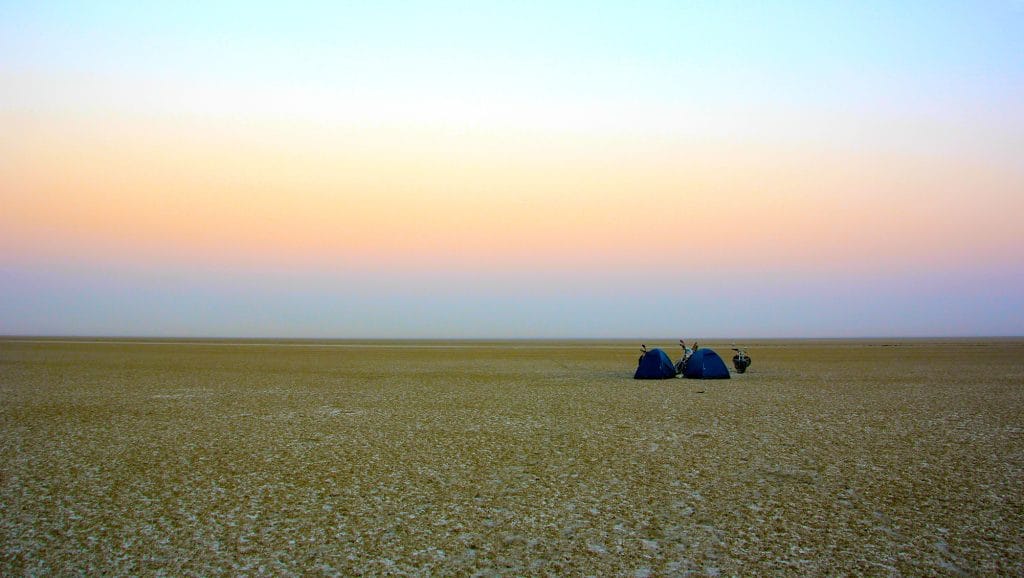
Sambhar Lake, a large and important wetland in India, is in trouble.
It used to be a beautiful place with lots of birds and unique plants.
People have been taking too much salt from the lake and polluting it, which has made the water dirty and caused many birds to die.
The government has promised to fix these problems, but during a recent visit, it seemed like not much has changed.
The lake needs urgent help to restore its natural balance and protect the birds and plants that live there.
Everyone needs to work together to save this special place.

Sambhar Lake, India's largest inland saline wetland, is facing severe ecological decline due to illegal salt extraction and pollution.
In 2019, around 18,000 birds died due to avian botulism, a disease caused by a soil bacterium thriving in stagnant, polluted water.
The government has announced conservation initiatives, including boundary demarcation and controlled salt mining, but recent observations show little progress.
Key conservation measures include restoring natural water inflows, reducing pollution, and enhancing bird habitat protection.
Community involvement and sustainable practices are crucial for the long-term preservation of Sambhar Lake.
- Who
- Conservationists, ornithologists, NGOs, and the government
- What
- Decline of Sambhar Lake due to neglect and illegal activities
- When
- Ongoing issue, with significant decline observed in 2019 and 2025
- Where
- Sambhar Lake, Rajasthan, India
- Why
- Human greed, illegal activities, and lack of effective conservation measures
- Location
- Nagaur, Jaipur, and Ajmer districts of Rajasthan, India
- Size
- 35.5 kilometers long, width varies from 11 kilometers to 3 meters
- Significant Features
- Surreal landscape, sandstone dam, vast salt pans, bird watching points
- Ramsar Site
- Yes, designated as a wetland of international importance
- Major Threats
- Illegal salt extraction, reduced river inflows, pollution, avian botulism