

Archive · 11 Aug 2025
Understanding Debt ETFs: Navigating Bond Market Investments
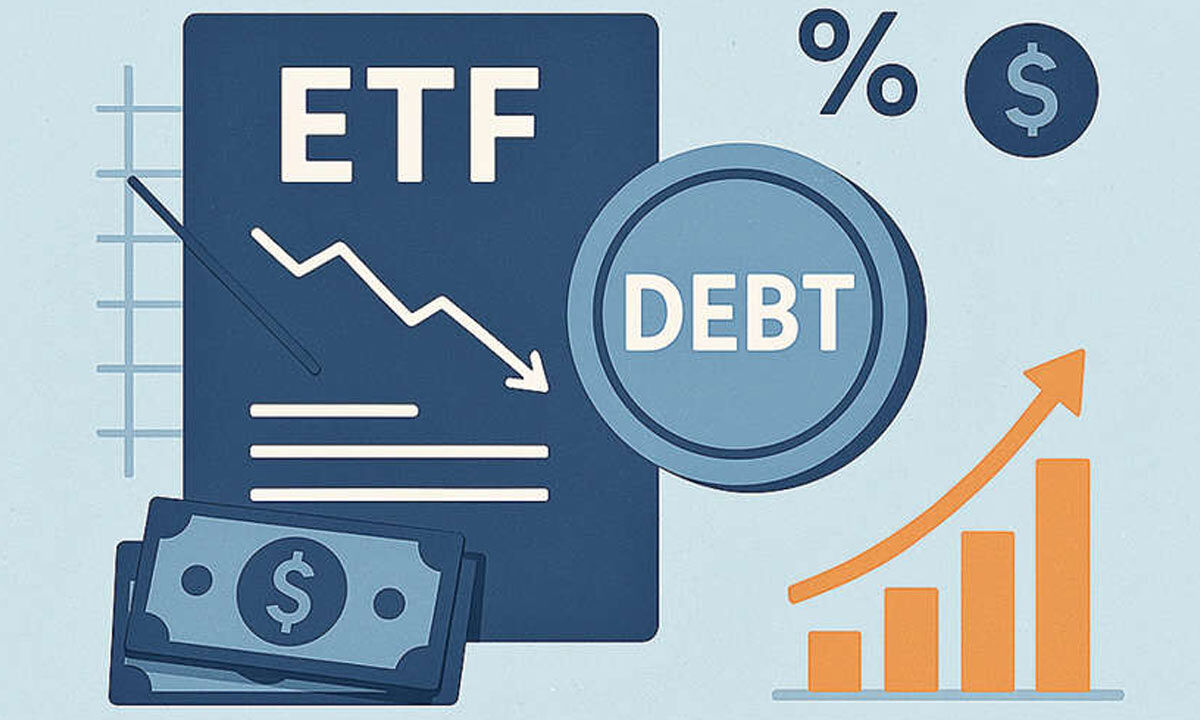
Debt ETFs are like special funds that invest in bonds, which are loans to governments or companies.
They're managed automatically, so they're usually cheaper and easier to understand.
Just like stocks, the market can change due to interest rate, inflation and government policies.
There are different types, like ones for very short periods (overnight), ones that follow government bonds, and ones that invest in company bonds.
Target Maturity Debt ETFs help investors to have a cash inflow in a specific year.
They can be useful if you want to invest without a fund manager picking which bonds to buy.

Debt ETFs are passively managed funds that invest in similar instruments per fund objective.
Debt markets are influenced by interest rate changes, inflation, government policies, and geopolitics.
Debt ETFs offer lower costs and higher transparency by mimicking pre-defined bond indexes.
Debt ETFs are categorized into liquid/overnight, gilt, corporate bond, and target maturity types.
Target Maturity Debt ETFs invest in indices that mirror a defined period of maturity.
- Who
- Investors, governments, corporations, and financial institutions are involved in debt markets.
- What
- Debt ETFs are passively managed funds that invest in similar instruments.
- When
- The debt ETF market has grown substantially in recent years.
- Where
- Debt markets exist globally.
- Why
- Debt ETFs provide a way for investors to invest in bonds and fixed-income securities.
Investor Considerations
ETF Benefits
Ease of Use vs. Sophistication
Investor Considerations
Requires understanding and time.
ETF Benefits
Can be an easier option for some investors.
- What are Debt ETFs?
- Passively managed funds investing in debt instruments.
- Management Style
- Passively managed.
- Market Influence
- Interest rates, inflation, government policies, geopolitics.
- Types of Debt ETFs
- Liquid/overnight, gilt, corporate bond, target maturity.
- Combined AUM
- Over 1 Lakh crore